Best Dehumidifiers for Basements in 2026: Sized by Square Footage
The best basement dehumidifiers in 2026 across 30-pint, 50-pint, and whole-basement models — covering capacity, drainage, smart features, and sizing by square footage.
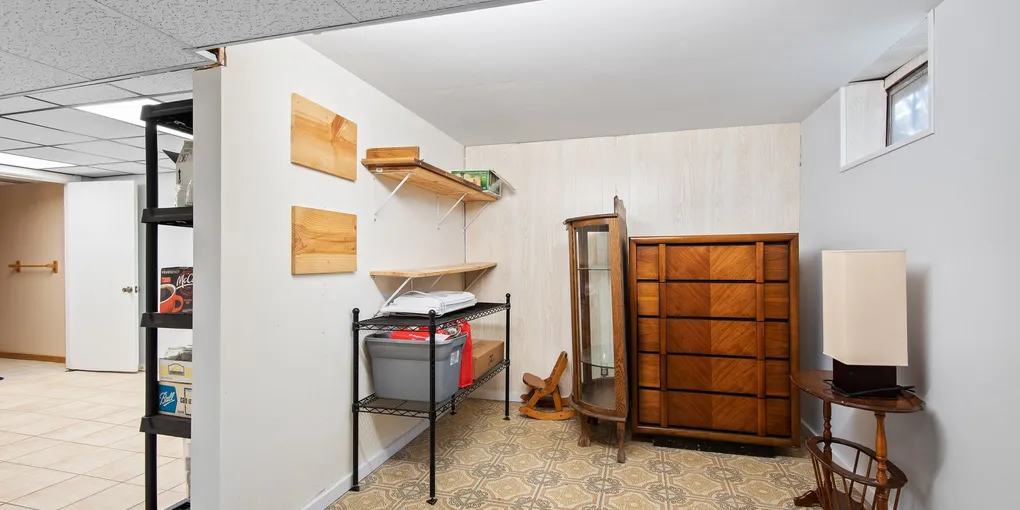
For small basements under 1,000 sq ft, a 30-pint dehumidifier like the Frigidaire FFAD3533W1 is plenty. For 1,000-2,000 sq ft, step up to a 50-pint unit like the hOmeLabs HME030399N. Wet basements (leaky foundations, flood-prone) need a whole-basement unit like the Aprilaire E070 or Santa Fe Advance2 (~$1,500) that drains continuously and handles 130+ pints per day. All dehumidifiers are now rated under the DOE 2019 standard — older 70-pint ratings are now listed as 50-pint capacity.
Frequently Asked Questions
What size dehumidifier do I need for my basement?
For dry basements (just humid in summer): 30 pints per 1,000 sq ft. For moderately damp basements (musty smell, condensation on cold surfaces): 50 pints per 1,500 sq ft. For wet basements (visible moisture, water intrusion): 70+ pints per 1,500 sq ft, or step up to a dedicated whole-basement dehumidifier. Note: 'pint' ratings changed in 2019. A unit labeled '50-pint' today has the same capacity as a '70-pint' unit from 2018 and earlier.
Should I get a dehumidifier with a pump?
Yes, if your basement doesn't have a floor drain or sink near where you'd place the dehumidifier. A built-in pump pushes condensate uphill to a drain or sink via a thin vinyl tube, saving you from emptying a bucket every 8-12 hours. Pump units cost $50-$100 more than non-pump equivalents. Alternative: a standalone condensate pump ($40-$80) works with any dehumidifier.
What humidity level should I set my basement dehumidifier to?
Target 45-50% relative humidity. Below 40% invites cracked wood, peeling wallpaper, and static electricity. Above 55%, mold and musty smells develop, and dust mites thrive. Most dehumidifiers run most efficiently at 50% — setting lower wastes electricity without comfort benefit.
Can I run a dehumidifier continuously?
Yes — that's actually the most efficient way to run one. Continuous operation lets the unit maintain the target humidity with minimal cycling, which is easier on the compressor and uses less energy than frequent on/off cycles. Most modern dehumidifiers have an automatic mode that runs until the target humidity is reached, then cycles on briefly every 30-60 minutes as needed.
How long should a basement dehumidifier last?
Consumer portable dehumidifiers last 3-8 years depending on how hard they run. A unit that runs 6+ months a year in a damp basement is at the short end. Whole-basement dehumidifiers (Aprilaire, Santa Fe, Ultra-Aire) last 10-15 years. The most common failure modes are compressor burnout (portable units) and humidistat failure. Buy from brands with at least 3-year warranties.
Why does my basement dehumidifier fill up so fast — is something wrong?
A rapidly filling dehumidifier usually means the basement has a higher moisture load than expected — this is normal and not a malfunction. Common causes: (1) New construction or freshly poured concrete releasing moisture (can take 1–2 years to dry out). (2) Unaddressed water intrusion — foundation cracks, window wells filling with water, or poor grading directing runoff toward the house. (3) Summer humidity — outdoor air that enters the basement is warm and humid; when it cools in the basement it drops its moisture. (4) Dryer or bath fan venting indoors. If you empty the bucket daily and the basement still smells musty or you see efflorescence (white mineral deposits) on the foundation wall, address the water source — a dehumidifier treats the symptom but not the cause. Consider a unit with a built-in pump and continuous drain hose so filling isn't a concern; these run automatically to a floor drain without intervention.
What is the best dehumidifier brand in 2026 — Frigidaire vs hOmeLabs vs GE vs LG?
Frigidaire is the most reliable consumer dehumidifier brand — their FFAD series has a strong repair record and widespread availability. hOmeLabs is the best value for large basements — the 4,500 Sq Ft Energy Star model ($179–$229) handles high moisture loads at a lower price than name-brand equivalents, though customer service is limited. GE (Haier-manufactured, same as GE appliances) offers reliable mid-range units that match Frigidaire on performance. LG discontinued their dehumidifier line, so skip them for new purchases. For whole-basement or crawl space dehumidifiers (commercial-grade continuous drain units): Aprilaire and Santa Fe are the gold standard — they cost $1,200–$2,000 but last 12–15 years and handle serious moisture loads. Avoid cheap no-name units under $100 — the compressors fail within 1–2 seasons in actual basement use.
For small basements under 1,000 sq ft, a 30-pint dehumidifier like the Frigidaire FFAD3533W1 is plenty. For 1,000-2,000 sq ft, step up to a 50-pint unit like the hOmeLabs HME030399N.
A damp basement is more than an annoyance. Sustained humidity above 60% breeds mold, warps wood floors above, corrodes stored tools, and creates the musty smell that buyers notice in two seconds. A properly sized dehumidifier fixes all of that for $200-$1,500 depending on severity and square footage.
This guide covers the best picks across three tiers — small portable, large portable, and whole-basement — plus the 2019 DOE capacity rule change that still confuses shoppers.
Top Picks at a Glance
| Pick | Model | Capacity | Pump | Price | Best For |
|---|---|---|---|---|---|
| Best Small | Frigidaire FFAD3533W1 | 35 pint/day | No | $170–$210 | Basements under 1,000 sq ft |
| Best Mid-Range | hOmeLabs HME030399N | 50 pint/day | No | $160–$200 | 1,500–2,500 sq ft |
| Best with Pump | Midea MAD35C1ZWS | 50 pint/day | Yes | $200–$240 | Continuous drain; no emptying bucket |
| Best GE | GE APER50LZ | 50 pint/day | Optional | $250–$300 | Quiet operation, smart controls |
| Best Pro (HVAC) | Aprilaire E070 Pro | 70 pint/day | Built-in | $700–$900 | Whole-basement permanent install |
| Best Whole-Home | Santa Fe Advance2 | 90 pint/day | Built-in | $1,200–$1,500 | Crawl spaces + large basements |
Quick Picks
Small basement (500-1,000 sq ft): Frigidaire FFAD3533W1 30-Pint Dehumidifier — Energy Star, reliable, easy to find parts
Medium basement (1,000-2,000 sq ft): hOmeLabs HME030399N 50-Pint Dehumidifier — great value, 4,500 sq ft max
Large/damp basement (2,000+ sq ft): Midea MAD35C1ZWS 50-Pint with Pump — pump drainage, smart controls
Whole-basement (chronic wet): Aprilaire E070 Pro Dehumidifier — 70 pints/day continuous, 10-year life
Budget pick: Waykar 32-Pint Dehumidifier — under $150 for small basements
Understanding the 2019 DOE Rating Change
Before diving into specific models, this matters for anyone comparing listings.
Before 2019: Dehumidifier pint capacity was measured at 80°F and 60% RH.
After 2019: The test is at 65°F and 60% RH — more realistic for a basement.
The result: the same exact unit that was rated “70-pint” in 2018 is now rated “50-pint” in 2020+. Nothing changed about the unit; the test changed. If you see an online listing that proudly says “70-pint” capacity, check the model year and the DOE rating label — you may be looking at an outdated listing for what’s effectively a 50-pint unit under today’s standard.
Throughout this guide, all ratings are DOE 2019 (current standard).
Top Small Portable Picks (30-32 Pint)
Frigidaire FFAD3533W1
Specs: 30-pint (DOE 2019), Energy Star certified, built-in humidistat, continuous drain option, 35 lbs.
The old reliable. Frigidaire’s consumer dehumidifiers have been the most recommended affordable portables for years, and the FFAD3533W1 continues that. Quiet operation (46 dB), a large digital display, and parts support if anything fails.
Good for: small finished basements, three-season rooms, main-floor rooms in humid climates.
Waykar 32-Pint
Specs: 32-pint, built-in humidistat, continuous drain hose included, 33 lbs.
The budget pick. Waykar is a direct-to-consumer brand that sells quality units at 25-35% off name-brand pricing. The downside is shorter warranty (1 year vs. 2-3 for premium brands) and limited repair options. For a small basement that just needs a working unit, it’s hard to beat.
Top Large Portable Picks (50-Pint)
hOmeLabs HME030399N 50-Pint
Specs: 50-pint, Energy Star, 4,500 sq ft coverage, digital display, 45 lbs.
hOmeLabs has dominated the mid-range basement dehumidifier category since 2020 on the strength of simple, reliable, well-supported products. The HME030399N is the current-gen of that line. Good continuous drain setup, adjustable humidistat, and a turbo mode for faster moisture pulls.
The 4,500 sq ft claim is optimistic — realistic coverage is more like 2,500-3,000 sq ft in moderately damp conditions.
Midea MAD35C1ZWS 50-Pint with Pump
Specs: 50-pint, built-in pump (not just a drain hose), 2,500 sq ft coverage, smart controls, 50 lbs.
The pump is the key feature. If your basement doesn’t have a floor drain or sink near the dehumidifier’s placement, this unit lifts the condensate up to 16 feet to a remote drain via a thin clear tube. No bucket to empty. Set it and forget it.
Smart controls add Wi-Fi monitoring, which is genuinely useful for seasonal basements (summer cabin, finished basements you don’t live in).
GE APER50LZ 50-Pint
Specs: 50-pint, Energy Star, auto-restart after power outage, top-mounted controls, 48 lbs.
GE’s current-gen consumer unit. The auto-restart is the standout — after a summer thunderstorm knocks out power, the unit resumes operation with its last settings intact. Critical for basements that are only visited weekly. Otherwise comparable to the hOmeLabs on performance.
Premium / Whole-Basement Dehumidifiers
These are a different category — sized in pints per day (sometimes 90, 110, 130+), designed for continuous operation, and typically installed semi-permanently with hard-plumbed drains.
Aprilaire E070 Pro
Specs: 70 pints/day (DOE 2019), covers up to 2,800 sq ft, 5-year warranty, 68 lbs, $1,200-$1,500.
Aprilaire is the HVAC industry standard for whole-home dehumidification. The E070 is their portable entry model — meant to sit in a basement, drain continuously to a floor drain or sump pit, and run for a decade without fuss. Quiet, efficient (2.5 L/kWh), and serviceable (filters are replaceable, parts are available).
If you have a chronically damp basement or a finished basement with significant moisture issues, this is the next step up from consumer-grade units.
Santa Fe Advance2
Specs: 120 pints/day (DOE 2019), high-efficiency, MERV-13 filtration, 110 lbs, $2,000-$2,400.
The premium tier. Santa Fe/ThermaStor makes the most energy-efficient whole-basement dehumidifiers available to homeowners. Built for continuous operation, HVAC-style ductable, and designed for crawl spaces and basements with 2,000-4,000+ sq ft of coverage.
Overkill for most homeowners — but if you have a large finished basement, a recurring moisture problem, or you’re renovating a home with crawl space and basement combined, this is what HVAC pros recommend.
Features Worth Paying For
- Built-in pump: Saves emptying buckets. $50-$100 upgrade on consumer units. Worth it if there’s no nearby drain.
- Auto-defrost: Essential for basements that dip below 60°F. Without it, the coils ice up and the unit runs without removing water.
- Auto-restart: After a power outage, resumes at previous settings. Nearly every recent unit has this.
- Digital humidistat with display: $20-$40 cheaper to skip, but you’ll wish you had one within a week.
- Washable filter: Instead of replaceable — saves $10-$20 a year plus the hassle of finding OEM parts.
- Smart/Wi-Fi controls: Gimmicky for 90% of users; genuinely useful for seasonal or unoccupied properties.
Features You Don’t Need
- Ionizer/UV light: Marketing gimmick. Minimal real-world benefit, and they consume replaceable bulbs/cartridges over time.
- HEPA filtration: Dehumidifiers aren’t air purifiers. For air quality, buy a dedicated air purifier — see our best air purifiers roundup.
- Built-in heater: Adds cost and failure points. A space heater does the same job for a fraction of the price if heating is needed.
- “Whisper quiet” claims below 40 dB: Physically not possible for a compressor-based dehumidifier. Treat as marketing.
Where to Place the Dehumidifier
Best placement:
- Near the center of the basement (not shoved in a corner)
- 12-18 inches from walls and obstructions
- Near a drain if using continuous drainage
- Away from stairwells (where air doesn’t circulate)
- Away from obvious moisture sources (sump pump, laundry) — let it work on ambient humidity
Worst placement:
- Against a wall (blocks airflow)
- In a small closet or alcove (overworks the unit)
- Direct in front of the HVAC supply (the cool HVAC air throws off the humidistat)
Drainage Options
- Bucket: Factory default. Holds 12-20 pints. Must be emptied every 8-24 hours during humid months.
- Gravity drain hose: Included with most units. Connects to a hose bib on the back; routes to a drain that’s lower than the dehumidifier. Simple and reliable.
- Built-in pump: Lifts condensate up to 16 feet to any drain. Essential for basements without a nearby floor drain.
- External condensate pump: $40-$80 aftermarket add-on that does the same job as a built-in pump. Worth considering if your ideal dehumidifier doesn’t come in a pump model.
Energy Costs
A 50-pint Energy Star dehumidifier running 6 months per year at 50% duty cycle uses roughly 400-500 kWh. At the US average electricity rate of $0.16/kWh, that’s $65-$80 per year.
A non-Energy Star unit in the same scenario runs $80-$110. Over 5 years, the Energy Star premium pays back roughly 2x.
Related Reading
- Basement waterproofing cost
- Best sump pumps for basements
- Best air purifiers for allergies and pet hair
- How to clean a dryer vent
- Annual home maintenance schedule
- How to install a bathroom exhaust fan
The Bottom Line
For most homeowners, a mid-range 50-pint consumer dehumidifier from hOmeLabs, Frigidaire, or Midea (with or without a built-in pump) handles a typical 1,500-2,500 sq ft basement for $200-$400. Step up to a 30-pint for small dry basements, or to an Aprilaire/Santa Fe whole-basement unit ($1,000-$2,500) if you have chronic moisture or over 2,500 sq ft. Target 45-50% humidity, check capacity under the DOE 2019 standard (not pre-2019 ratings), and prioritize a built-in pump unless there’s a drain within a few feet of where the unit will sit.
- Measure your basement and check humidity
Measure square footage and ceiling height. Use a hygrometer ($10-$20 from a home center) to get a baseline reading. Target working humidity is 45-50%. If your current reading is 60%+, you need significant dehumidification. If it's 50-55%, a mid-size unit is enough.
- Assess moisture sources
A dehumidifier is a symptom treatment. Before buying one, look for and address the root cause: foundation cracks, gutter runoff pooling against the house, bathroom or laundry venting indoors, lack of exterior grading. See our basement waterproofing cost guide for the structural side.
- Pick the right capacity
Modern (DOE 2019+) pint ratings: 30-pint for 500-1,500 sq ft in lightly damp conditions; 50-pint for 1,000-2,500 sq ft in moderate dampness; 70-pint for large or very damp basements. Whole-basement units (sized in pints per day, 90-130+) for chronic wet basements.
- Decide on pump vs. bucket
Pump models are a clear upgrade — they empty continuously to a drain via a thin tube, so you never empty a bucket. If there's no drain anywhere reachable, you must use a pump model or empty the bucket twice a day in humid months.
- Place for airflow, not just convenience
Dehumidifiers need 12-18 inches of clearance on all sides for proper airflow. Place centrally in the basement, not shoved in a corner against walls. For large open basements, one correctly-sized unit is better than two undersized ones.
- Check Energy Star rating
Energy Star-certified dehumidifiers use 15-20% less electricity than non-certified equivalents. A 50-pint unit runs 500-700 watts — over a 6-month basement season, the electricity cost is $80-$150. Energy Star saves $15-$25 annually and the units are virtually always worth the price difference.
- Plan for a spare hygrometer
Built-in humidistats on consumer dehumidifiers are often 5-10% inaccurate. A $15-$25 standalone hygrometer placed away from the unit gives you a second opinion. If the two diverge significantly, trust the standalone and adjust the dehumidifier's target setting accordingly.
Frigidaire FFAD3533W1
Best 30-Pint for Small Basements- DOE 2019 30-pint capacity, Energy Star
- Quiet 46 dB operation
- Large digital display + humidistat
- Continuous drain option
- Strong parts support
- Bucket-only drain (no built-in pump)
- Best for under ~1,000 sq ft
Waykar 32-Pint Dehumidifier
Budget Pick- 25-35% cheaper than name brands
- Continuous drain hose included
- Built-in humidistat
- Shorter 1-year warranty
- Limited repair parts availability
hOmeLabs HME030399N 50-Pint
Best 50-Pint Overall- DOE 2019 50-pint, Energy Star certified
- Realistic 2,500-3,000 sq ft coverage
- Continuous drain + turbo mode
- Adjustable humidistat
- Manufacturer's 4,500 sq ft claim is optimistic
- Bucket-only without pump upgrade
Midea MAD35C1ZWS 50-Pint with Pump
Best With Built-In Pump- Built-in pump lifts condensate up to 16 feet
- Wi-Fi smart controls
- No bucket emptying required
- Heavier at 50 lbs
- Realistic coverage ~2,500 sq ft
GE APER50LZ 50-Pint
Best Auto-Restart for Unattended Basements- Auto-restart after power outages (remembers settings)
- DOE 2019 50-pint, Energy Star
- Top-mounted controls
- No built-in pump
- Middle of pack on noise
Aprilaire E070 Pro
Best Whole-Basement- 70 pints/day continuous operation
- 2,800 sq ft coverage
- 5-year warranty, 10-year expected life
- Efficient 2.5 L/kWh
- HVAC-grade serviceability
- Significant price jump over consumer units
- Semi-permanent installation
Santa Fe Advance2
Best Premium for Large or Chronic-Damp Basements- 120 pints/day capacity
- MERV-13 filtration built in
- Most energy-efficient in class
- Handles 2,000-4,000+ sq ft
- Overkill for most homes
- Professional install recommended
Free: 10-Point Home Maintenance Checklist
Prevent costly repairs with this seasonal checklist. Save hundreds every year by catching problems early.
Your checklist is ready!
Open Checklist →Something went wrong. View the checklist here.