How to Fix a Garage Door Cable: When to DIY and When to Call a Pro
Guide to garage door cables — diagnosing a broken or slipped cable, when simple reattachment is safe DIY, and when spring tension makes it a job for a professional.
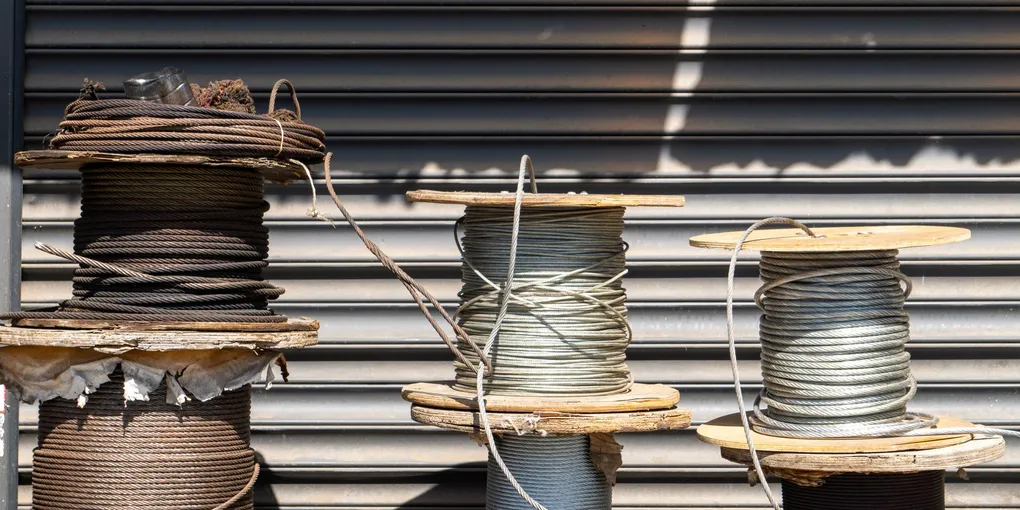
Garage door cables are the steel wires that run from the bottom corners of the door up to drums on the torsion bar above, working in tandem with the springs to lift and lower the door smoothly.
Garage door cables are the steel wires that run from the bottom corners of the door up to drums on the torsion bar above, working in tandem with the springs to lift and lower the door smoothly. When a cable breaks or slips off its drum, the door can hang crooked, drop suddenly, or refuse to move at all.
Some cable problems are safe to fix yourself. Others are not. This guide tells you the difference clearly before you start.
SAFETY WARNING: Read This First
Garage door springs are under extreme tension — a standard torsion spring stores 100 to 200 foot-pounds of energy. Cables are connected directly to that spring system. If you disconnect, cut, or improperly handle a cable while the spring is wound under tension, the spring can unwind violently and cause serious injury.
The rule is simple: If your spring is intact and under tension, do not attempt cable repair yourself. Call a professional.
The only DIY cable work that is reasonably safe is reattaching a cable that has slipped off the drum when the spring is broken or the door is fully in the down position with no residual spring tension.
If you are not sure whether your spring is under tension, assume it is and call a pro.
Diagnosing the Cable Problem
Look at both bottom corners of the door from inside the garage. You should see a cable attached to a bracket on each side, running up and over a drum.
Three scenarios:
1. Cable has come off the drum
The cable is still intact but has unspooled from the drum at the top. The door typically hangs crooked — one side lower than the other. This happens most often when a spring breaks and the door drops suddenly, or when the door is forced open or closed with the opener disengaged.
2. Cable is broken
A strand or the entire cable has snapped. You will see frayed wire, a cable piled on the floor, or a missing cable on one side. A broken cable usually means the spring also needs inspection — they often fail together.
3. Cable is frayed but not broken yet
If you see individual wire strands sticking out or the cable looks kinked and corroded, it is failing. Replace it before it breaks. A fraying cable is under load and should be treated as a spring-tension situation — call a pro.
When It Is Safe to DIY
Reattaching a cable that has slipped off the drum is manageable if all three of these conditions are true:
- The cable itself is intact — not broken, not frayed
- The spring is broken (no tension — the door feels very heavy when lifted manually)
- You can safely clamp the door in the fully closed position before starting work
If any of these conditions is not met, stop and call a professional.
Step-by-Step: Reattaching a Cable That Came Off the Drum
What you need:
- C-clamps or locking pliers (to secure the door)
- Ladder
- Replacement cable if needed — standard 7-foot door cables fit most residential doors
- Winding bars if spring adjustment is needed (do not improvise — use proper winding bars)
Steps:
-
Disconnect the opener. Pull the red emergency release cord to disengage the automatic opener. You will be working manually.
-
Close the door fully. Lower the door to the fully closed position. The cable is anchored at the bottom — the door must be down to work on the cable end.
-
Clamp the door to the track. Place a C-clamp on each track just above one of the rollers, tight against the track edge. This prevents the door from moving while you work.
-
Examine the bottom bracket. The cable end has a small ball or loop that hooks into the bottom bracket at the door’s corner. Check that the bracket is secure and not bent or cracked. A damaged bracket must be replaced before reattaching the cable.
-
Reattach the cable end to the bottom bracket. Thread the cable loop or ball end into the slot on the bracket and secure it.
-
Thread the cable back onto the drum. Take the ladder to the drum (the cylinder on the torsion bar above the door). Wind the cable back onto the drum in the same direction it came off — the cable should wrap around the drum from the outside in, with no overlapping loops. Look at the opposite side to see how it should look.
-
Check the cable drum. Make sure the cable sits in the groove and is not crossed over itself.
-
Remove the clamps and test. Remove the C-clamps from the track. Manually lift the door slowly and watch whether the cable tracks properly onto the drum. If it slips off immediately, the drum may need adjustment — stop and call a pro.
-
Re-engage the opener by pulling the release cord again until it clicks, or by cycling the opener button.
-
Lubricate. Apply silicone garage door lubricant to the cables, drums, and rollers. Do not use WD-40 — it attracts dirt and dries out the cable strands over time.
When to Call a Pro
Call a garage door technician instead of DIYing when:
- The cable is broken and the spring is still under tension
- The door is off track — cables and track alignment interact, and getting it wrong can damage the door or injure you
- You see damage to the spring alongside the cable problem
- You can hear grinding or popping when testing manually — something else is failing
- The cable came off because the bottom bracket is broken — bracket replacement requires detensioning the spring
A professional garage door technician charges $150 to $300 for cable replacement with spring inspection included. Many offer same-day service. Given the injury risk of getting this wrong, it is money well spent.
Related Reading
- How to Fix a Garage Door Spring
- How to Fix a Garage Door
- How to Lubricate a Garage Door
- Garage Door Replacement Cost
- Diagnosing the Cable Problem
Look at both bottom corners of the door from inside the garage. You should see a cable attached to a bracket on each side, running up and over a drum.
- When It Is Safe to DIY
Reattaching a cable that has slipped off the drum is manageable if all three of these conditions are true:
- Step-by-Step: Reattaching a Cable That Came Off the Drum
C-clamps or locking pliers (to secure the door)
Free: 10-Point Home Maintenance Checklist
Prevent costly repairs with this seasonal checklist. Save hundreds every year by catching problems early.
Your checklist is ready!
Open Checklist →Something went wrong. View the checklist here.