Garage Door Spring Replacement: When to DIY vs. Hire (2026)
Broken garage door springs are one of the most dangerous DIY repairs. This guide explains the difference between torsion and extension springs, why torsion spring replacement requires a professional, and what is safe to DIY.
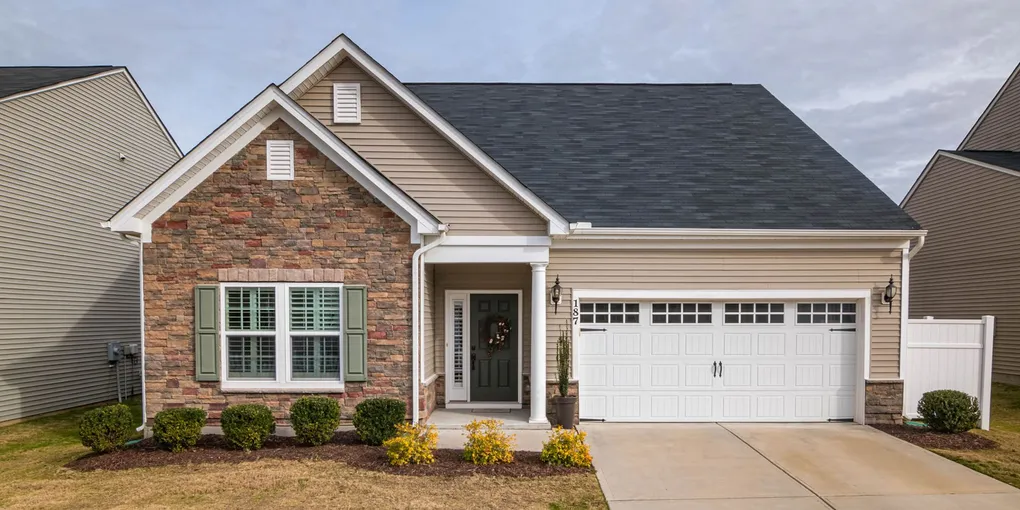
Extension springs (the springs on either side of the door that stretch as the door opens) are within DIY capability with the right precautions — but still require careful tension release. Torsion springs (the large spring or springs mounted on the horizontal bar above the door) are under extreme tension and should be replaced by a professional. A torsion spring failure during replacement can cause serious or fatal injury. Professional garage door spring replacement costs $150–$300 and takes about an hour — it is worth the cost.
Frequently Asked Questions
How do I know if my garage door spring is broken?
Signs of a broken spring: (1) The garage door opens only 6 inches and stops — the opener detects excessive load and reverses. (2) Visible gap in the torsion spring (a break appears as a separation in the coils). (3) The door feels extremely heavy when lifted manually — springs counterbalance the weight. A properly balanced door should feel like it weighs about 8–10 pounds when lifted by hand. (4) The opener strains loudly and the door moves slowly.
What is the difference between torsion and extension springs?
Torsion springs are large coil springs mounted horizontally on the rod above the door. They store energy by winding. Most modern homes (post-1980) have one or two torsion springs. Extension springs are thinner springs mounted on the horizontal tracks on each side of the door — they store energy by stretching. Older and lighter doors (one-car garages) more commonly have extension springs. Extension springs are less dangerous to replace but still store significant energy — always use a containment cable through the spring.
Why is torsion spring replacement so dangerous?
A standard torsion spring is wound with 30 turns of tension, storing enough energy to lift a 200+ lb door. If a spring, winding bar, or cone slips during winding: the energy releases instantly, causing the winding bar to rotate at extreme speed and striking anything in its path. Professional technicians use the correct winding bars, body position, and technique learned through repetition. A homeowner who does this once and makes one mistake can suffer a broken arm, broken jaw, or worse.
What garage door spring tasks are safe for DIY?
Safe DIY: lubricating springs (use [garage door spring lubricant](https://www.amazon.com/s?k=garage+door+spring+lubricant+white+lithium&tag=fixupfirst-20) — not WD-40), replacing extension springs with the door fully lowered and secured (no cable tension), checking balance by disconnecting the opener and lifting manually, and replacing the safety cable on extension springs. Not safe DIY: winding or unwinding torsion springs, replacing a broken torsion spring, and adjusting spring tension beyond the safety range of the hardware.
How much does professional garage door spring replacement cost?
Single torsion spring replacement: $150–$250 (spring + labor). Dual torsion springs (both replaced at the same time, recommended): $200–$350. Extension springs (one door): $100–$200. Most companies offer same-day service. When one spring breaks, replace both — the remaining spring has the same wear history and will break soon. Two springs: double labor cost is minimal since the tech is already there.
How do I open a garage door with a broken spring?
With a broken torsion spring, the door loses its counterbalance and will feel extremely heavy — a two-car garage door weighs 150–200 lbs without spring assist. To open it manually: (1) Disconnect the opener by pulling the red emergency release cord hanging from the trolley. (2) Lift the door straight up using both hands, bending at the knees — the door will be very heavy without the spring. Get help from a second person. (3) Do NOT use the automatic opener with a broken torsion spring — it can damage the opener motor and opener trolley. (4) Prop the door open with a step ladder or locking pliers on the track to hold it up while you retrieve your vehicle. Leave the door closed until the spring is replaced — repeated manual operation puts significant strain on the opener and hardware.
How long do garage door springs last?
Standard torsion springs are rated for 10,000 cycles (one cycle = one open + one close). At 4 cycles per day (typical for a family), that's about 7 years. High-cycle springs (25,000–100,000 cycles) are available and recommended when replacing — they cost $50–$100 more per spring but can last 20+ years. Extension springs also wear out, typically in 7–12 years. Signs a spring is nearing end of life: squeaking when door operates, visible rust or corrosion on the coils, or the door starting to feel heavier or slower. Replace springs proactively when you hear squeaking — a spring that breaks suddenly costs the same to replace but also leaves you with a stuck door.
Extension springs (the springs on either side of the door that stretch as the door opens) are within DIY capability with the right precautions — but still require careful tension release. Torsion springs (the large spring or springs mounted on the horizontal bar above the door) are under extreme tension and should be replaced by a professional.
This guide focuses on safe assessment and when professional service is the correct choice.
Identify your spring type
Torsion spring: Look above the horizontal center of the closed door — if there is a large horizontal coil spring (or two) on the rod spanning the door width, you have torsion springs. These are the most common type in homes built after 1985 and in any two-car garage.
Extension springs: Look along the horizontal tracks running to the back of the garage. If you see thinner springs running parallel to the tracks on each side, those are extension springs.
Torsion spring: call a professional
If your torsion spring is broken: do not attempt to replace it yourself. The winding process requires specialized winding bars, proper technique, and experience.
Finding a tech: Search for “garage door spring replacement near me.” Most companies can come the same day. Cost: $150–$350 depending on spring type and location.
What to tell them: Tell them whether you have a single or double spring, and mention if the opener still works or if the door is stuck down/up — they will bring the right parts.
Extension spring: DIY replacement process
Only attempt this if you are confident in the process and follow all safety steps.
Safety first: Extension springs under tension are dangerous. Always work with the door in the fully closed position to release spring tension. Never work on an extension spring with the door open.
What you need
- Replacement extension springs (match length, diameter, and weight rating to originals)
- Safety cables (if not present)
- C-clamps (2) to lock the door tracks
- Wrenches and pliers
Steps
- Close the door fully. Unplug the garage door opener.
- Clamp the door to the track with C-clamps on both sides, just above the bottom rollers — this prevents the door from moving.
- Remove the old spring: disconnect it from the track bracket at the rear and from the cable at the front. Note which hook end goes where.
- Thread the safety cable through the new spring (or through the old spring’s cable). The cable runs through the center of the spring and attaches to both brackets — if the spring breaks, the cable contains it.
- Attach the new spring to the same connection points as the old one.
- Remove the C-clamps and test: reconnect the opener and cycle the door.
Maintenance: lubricate springs annually
Once a year, apply garage door lubricant (white lithium grease spray or a product specifically labeled for garage door springs) to the coils. This reduces metal fatigue and extends spring life. Do not use WD-40 — it dries out and attracts dust.
Related guides
- How to Fix a Garage Door — full garage door troubleshooting beyond springs
- How to Install a Garage Door Opener — opener replacement when springs are fine
- Annual Home Maintenance Schedule — spring lubrication in annual checklist
- Identify the spring type
Look above the horizontal center of the closed door — if there is a large horizontal coil spring on the rod spanning the door width, you have torsion springs. Look along the horizontal tracks on each side — if you see thinner springs running parallel to the tracks, you have extension springs. Most homes built after 1985 and all two-car garages have torsion springs.
- Torsion spring: call a professional
If your torsion spring is broken: do not attempt to replace it yourself. A torsion spring stores extreme energy during winding and can cause serious or fatal injury if it releases. Call a garage door service company — same-day service is typical at $150–$350. When one spring breaks, replace both at the same time: the other spring has the same wear history and will break soon, and the labor cost is already paid.
- Extension spring: prepare safely
For extension springs only: close the door fully to release spring tension. Unplug the garage door opener. Clamp the door to the track with C-clamps on both sides just above the bottom rollers to prevent the door from rising while you work. Never attempt to replace an extension spring with the door open.
- Extension spring: replace with safety cable
Disconnect the old spring from the track bracket at the rear and from the cable at the front. Thread the safety cable through the new spring (the cable runs through the spring coils and attaches to both brackets — it contains the spring if it breaks). Attach the new spring to the same connection points. Remove the C-clamps, reconnect the opener, and cycle the door to test.
- Lubricate springs annually
Once a year, apply white lithium grease spray or a product specifically labeled for garage door springs to the coils. This reduces metal fatigue and extends spring life. Do not use WD-40 — it dries out and attracts dust. A squeaking spring is nearing end of life; lubricate promptly and plan for proactive replacement.
Free: 10-Point Home Maintenance Checklist
Prevent costly repairs with this seasonal checklist. Save hundreds every year by catching problems early.
Your checklist is ready!
Open Checklist →Something went wrong. View the checklist here.