How to Fix a Furnace That Won't Turn On: Troubleshoot Before Calling (2026)
A furnace that won't turn on is often a simple fix — a dirty filter, a tripped safety switch, or a pilot light issue. This guide covers the full diagnostic sequence for gas and electric furnaces before calling an HVAC tech.
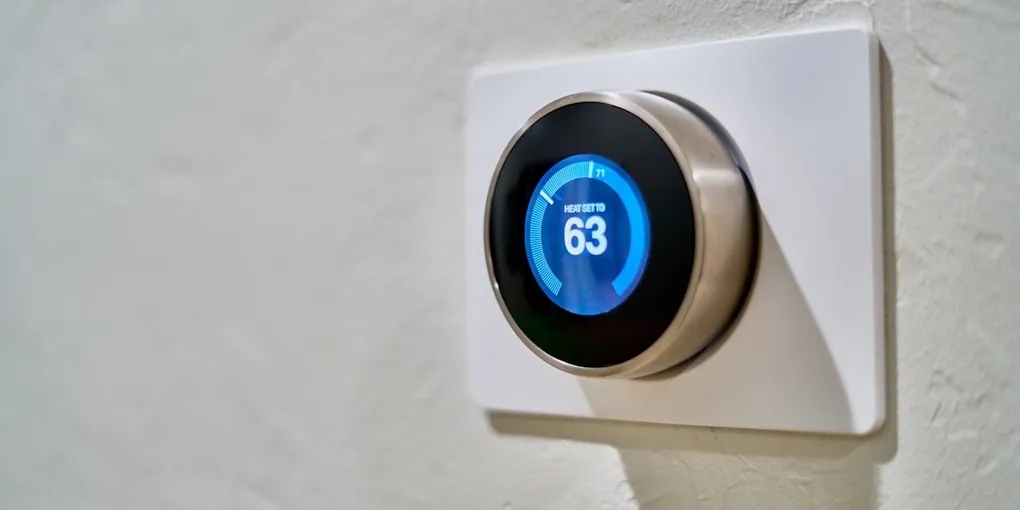
When a furnace won't start: check the thermostat settings first (set to Heat, set point above room temperature), check the circuit breaker, check the furnace power switch (looks like a light switch near the unit — often accidentally turned off), and replace the filter if it's clogged (a severely clogged filter triggers a safety shutoff). If the furnace runs briefly then shuts off: it's likely a dirty flame sensor. Clean it with fine-grit sandpaper. If you smell gas, do not attempt to start the furnace — leave the house and call the gas company.
Frequently Asked Questions
My furnace turns on but then shuts off after a few minutes. Why?
Short cycling (starting and stopping repeatedly) has several causes: (1) Dirty flame sensor — the sensor is a small metal rod in the burner area that detects the flame. Carbon buildup on the sensor tip causes it to read no flame even when the burner is lit, triggering a safety shutoff. Clean with 220-grit fine-grit sandpaper. (2) Overheating — a clogged filter or blocked vents cause the heat exchanger to overheat and the limit switch trips. Replace filter, verify all supply and return vents are open. (3) Dirty burners or cracked heat exchanger — requires a technician.
My furnace makes a loud bang or boom when starting. Is this normal?
A loud bang when the burner lights (delayed ignition) is not normal. It means gas is building up before igniting — when it finally does ignite, it pops. Causes: dirty burners, low gas pressure, or a failing ignitor. This needs service — repeated delayed ignitions can crack the heat exchanger. A 'tick' or 'pop' during warm-up or cool-down (not at ignition) is normal metal expansion and contraction.
How do I clean the furnace flame sensor?
The flame sensor is a thin metal rod mounted in the burner assembly. To clean: (1) Turn off the furnace and the gas supply. (2) Let cool completely. (3) Remove the access panel (usually held by a screw or clip). (4) Disconnect the sensor wire. (5) Remove the sensor (one screw). (6) Lightly sand the metal tip with 220-grit fine-grit sandpaper until the tip is shiny. Do not use steel wool — it leaves metallic residue. (7) Reinstall, reconnect wire, and test. This fix solves short cycling in about 60% of cases.
The furnace pilot light keeps going out. How do I fix it?
Old standing-pilot furnaces (common in homes before 1990) have a pilot light that must stay lit. If it keeps going out: (1) The thermocouple may be worn or misaligned — it sits in the pilot flame and signals the gas valve to stay open. A worn thermocouple is a $15–$25 part. (2) The pilot orifice may be partially clogged — carefully clean with a thin wire or needle. (3) Drafts — a nearby vent or door creating air currents. Modern furnaces use electronic ignition (no standing pilot) — if yours has a standing pilot and is over 20 years old, it's worth considering replacement.
What should I do if I smell gas near the furnace?
Leave the house immediately without turning on or off any lights, switches, or appliances (sparks can ignite gas). Call the gas utility from outside or from a neighbor's phone. Do not re-enter until cleared by the gas company. A slight smell of gas during normal ignition is sometimes normal for a brief moment — but a persistent or strong gas smell, especially when the furnace is not running, is a safety emergency.
Work through this diagnostic sequence before scheduling a service call — it solves the majority of furnace no-heat calls.
Step 1: Thermostat check
Confirm:
- Mode is set to Heat (not Cool or Fan)
- Set point is at least 5°F above current room temperature
- Batteries in the thermostat are good (if battery-powered)
- No service schedule that turned the system off
Step 2: Power and switches
- Check the circuit breaker labeled “Furnace” or “HVAC” — reset if tripped
- Find the furnace power switch (usually on the wall near the unit, looks like a standard light switch) — confirm it is ON
- Check the furnace door/access panel — most furnaces will not run if the access panel is not fully seated (safety switch)
Step 3: Filter
Pull the filter. Hold it to a light. If you can not see through it: replace it immediately.
A severely clogged filter restricts airflow so badly that the furnace overheats and the limit switch kills the burner. A new filter (every 1–3 months) is the single most important furnace maintenance step.
Step 4: Gas supply (gas furnace)
- Confirm the main gas shutoff is open (handle parallel to the pipe = open; perpendicular = closed)
- Confirm the furnace’s gas shutoff (usually on the gas line near the unit) is open
- If you have a standing pilot light: confirm it is lit. Follow the relight instructions on the furnace label
Step 5: Error codes (modern furnaces)
Most furnaces built after 2000 have a status light on the control board that blinks error codes. The number of blinks indicates the fault code. Look for a legend on the inside of the access panel (usually a sticker) that explains the codes.
Common codes:
- 3 blinks: pressure switch issue (blocked condensate drain or vent)
- 4 blinks: open limit switch (overheating — usually filter related)
- 7 blinks: flame sensor issue
- Continuous slow blink: normal operation
Step 6: Clean the flame sensor (short cycling fix)
If the furnace starts and then shuts off within 30–60 seconds:
- Turn off furnace and gas. Let cool 15+ minutes.
- Remove the access panel.
- Locate the flame sensor (a thin metal rod protruding into the burner area, attached by a single screw and one wire connector).
- Disconnect the wire. Unscrew and remove the sensor.
- Sand the tip lightly with 220-grit sandpaper until the tip is bright and shiny.
- Reinstall, reconnect, and test.
Related guides
- How to Change a Furnace Filter — filter types and replacement schedule
- How to Install a Smart Thermostat — thermostat replacement and wiring
- How to Winterize Your Home — fall prep includes furnace service scheduling
- Annual Home Maintenance Schedule — when to schedule HVAC tune-up
Free: 10-Point Home Maintenance Checklist
Prevent costly repairs with this seasonal checklist. Save hundreds every year by catching problems early.
Your checklist is ready!
Open Checklist →Something went wrong. View the checklist here.