How to Fix a Door Threshold: Adjustable Thresholds, Worn Seals, and Replacement (2026)
A worn or misaligned door threshold lets cold air, water, and pests in under the door. This guide covers adjusting an adjustable threshold, replacing the threshold seal insert, and replacing the entire threshold when the substrate is rotted.
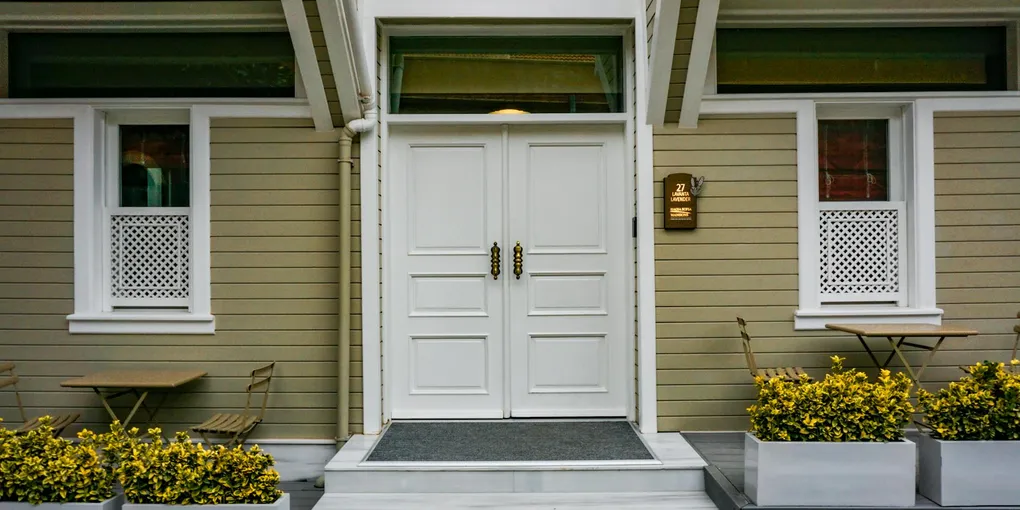
Door threshold fix: (1) Most modern exterior thresholds are adjustable — four to six screws on the top surface raise and lower the threshold height to contact the door bottom sweep. Turn all screws clockwise to raise, counterclockwise to lower. Raise until you feel slight resistance when closing the door. (2) Worn rubber or vinyl threshold seal insert: pull or pry out the old insert and press in a new one (available at home centers, sold by the foot or in door threshold seal kits). (3) Rotted or missing threshold: requires full threshold removal and replacement — a 30-minute repair with a new aluminum or oak threshold.
Frequently Asked Questions
How does an adjustable door threshold work?
An adjustable threshold has a raised metal or vinyl ramp surface that sits on top of a base plate. The top surface is connected to adjustment screws that thread through the base. Turning the screws clockwise (from above) raises the threshold top; counterclockwise lowers it. The correct height: when the door closes, the door bottom sweep (the rubber strip on the door bottom edge) compresses slightly against the threshold top — you should feel a small amount of drag when swinging the door closed. The threshold should not lift the door off its hinges or make it hard to close. If there is a visible gap under the closed door with light showing through: the threshold is too low. If the door drags on the threshold when opening: it is too high.
How do I replace the rubber seal insert in a door threshold?
Threshold seal insert replacement (the most common repair): (1) Inspect the threshold top — most aluminum thresholds have a T-slot or channel that holds a rubber or vinyl seal insert. The insert is the soft strip that the door bottom sweep contacts when the door closes. (2) Pry the old insert out of the channel — it may have tabs that snap in, or may simply pull straight out lengthwise. (3) Take the old insert to a home center to match the profile, or measure the channel width and order a universal replacement insert (sold as 'threshold weatherstrip replacement' or 'threshold seal strip'). Common widths: 3/8 and 1/2 inch T-slots, or a wider flat-channel profile. (4) Press the new insert into the channel starting at one end, pressing firmly along its length. Trim the excess with scissors or a utility knife. (5) No tools needed — this repair takes under 5 minutes.
How do I replace a door threshold completely?
Full threshold replacement: (1) Cut the door sweep caulk at the threshold edges with a utility knife. Remove any decorative endcaps. (2) Remove the threshold mounting screws — these go through the threshold into the subfloor. (3) Slide or pry the threshold out. Inspect the subfloor below for rot — if the subfloor is soft or punky, repair or replace it before installing a new threshold. (4) Measure the door opening width (between the door stops) and cut the new threshold to length with a hacksaw (metal) or circular saw (wood). (5) Test-fit in the opening. The threshold should sit flat on the subfloor and fit snugly between the door stops. (6) Predrill and fasten with screws provided. (7) Caulk the exterior edge of the threshold against the sill with silicone caulk to prevent water entry. Adjust to the door bottom sweep height after installation.
There is a gap under my exterior door but the threshold looks fine. What else could cause it?
A gap under the door with a serviceable threshold usually means: (1) Missing or worn door bottom sweep — the door sweep is the rubber or brush strip mounted to the door bottom edge (not the threshold). If the sweep is missing, torn, or compressed flat, no threshold height will seal the gap. Replace the sweep: remove the two screws on the sweep mounting plate, slide off the old sweep, slide on a new one, and re-fasten. (2) Door sag — if the door has dropped on its hinges (hinge screws loose), the door bottom no longer sits parallel to the threshold and one corner has a larger gap. Re-hang the door with longer hinge screws (3 inch) into the framing to correct sag. (3) Threshold installed on uneven subfloor — a threshold installed over a humped or low subfloor will contact the door in some spots but not others. Shim the threshold base on the low side. (4) Warped door bottom — a water-damaged door bottom may have cupped or warped, creating gaps even with a good threshold and sweep.
Can I caulk under a door threshold to stop drafts and water?
Caulking under and around a door threshold: (1) The exterior edge of the threshold (the edge facing outside) should always be caulked with 100% silicone or polyurethane sealant to prevent water from getting under the threshold and rotting the subfloor. This is the most important caulk joint. (2) Interior side: you can caulk the interior edge of the threshold against the finish flooring for air sealing. Use paintable latex or silicone. (3) Under the threshold base: if there is a gap between the threshold base and the subfloor, inject foam backer rod and caulk to seal it. (4) Do not caulk the threshold to the door stop — the threshold needs to remain removable for adjustment or replacement. (5) After caulking, do not allow foot traffic on the threshold for 24 hours while the sealant cures.
Door threshold fix: (1) Most modern exterior thresholds are adjustable — four to six screws on the top surface raise and lower the threshold height to contact the door bottom sweep. Turn all screws clockwise to raise, counterclockwise to lower.
Try adjusting the threshold height first — most drafty thresholds just need four screws turned clockwise to close the gap.
What you need
- Phillips screwdriver (for adjustment screws)
- Replacement seal insert (if seal is cracked or compressed)
- 100% silicone caulk (for exterior edge sealing)
- Hacksaw (if cutting a replacement threshold)
Step 1: Adjust the threshold height
Find the four to six adjustment screws on the threshold top surface. Turn all screws clockwise in small increments. Close and open the door between adjustments until you feel slight resistance but the door still closes easily.
Step 2: Replace the seal insert
Pry the worn rubber insert out of the threshold channel. Match the profile at a home center. Press the new insert in starting at one end, and trim flush with scissors.
Step 3: Inspect the door bottom sweep
Open the door and examine the rubber strip on the door bottom edge. If it is torn, compressed flat, or missing: remove the two mounting screws, slide off the old sweep, and install a new one.
Step 4: Seal the exterior threshold edge
Apply a bead of silicone caulk along the exterior edge of the threshold where it meets the sill. This prevents water intrusion under the threshold base.
Related guides
- How to Install a Door Sweep — door bottom seal replacement
- How to Weatherstrip a Door — sealing all four sides of a door
- How to Fix a Sticking Door — door alignment and hinge repair
- How to Fix a Loose Door Handle — tighten a loose handle that makes it hard to open the door smoothly
- How to Fix a Broken Door Sweep — repair the door bottom seal that works with the threshold
- Adjust the threshold height
Locate the adjustment screws on the threshold top surface (typically 4–6 screws). Turn all screws clockwise in small increments to raise the threshold. Test the door between adjustments — the correct height is when you feel slight resistance closing the door but it still closes easily. Light showing under the closed door means the threshold is too low.
- Replace the rubber seal insert
Pry or pull the worn rubber or vinyl insert out of the threshold channel — it slides out lengthwise or has tabs that snap free. Take the old insert to a home center to match the profile width. Press the new insert into the channel starting at one end, working along its length. Trim flush with a utility knife.
- Inspect and replace the door bottom sweep
Check the rubber or brush strip on the door bottom edge. If it is torn, compressed flat, or missing: remove the two screws on the sweep mounting plate, slide off the old sweep, and slide on a new one. Door sweeps are sold by door width and cut to fit.
- Seal the exterior threshold edge
Apply a bead of 100% silicone caulk along the exterior edge where the threshold meets the door sill. This prevents water from getting under the threshold and rotting the subfloor. Do not caulk the interior side rigid — leave it movable for future adjustments.
Free: 10-Point Home Maintenance Checklist
Prevent costly repairs with this seasonal checklist. Save hundreds every year by catching problems early.
Your checklist is ready!
Open Checklist →Something went wrong. View the checklist here.