How to Fix a Dead Outlet: GFCI Reset, Tripped Breaker, and Wiring Problems
Diagnose and fix a dead electrical outlet — starting with the simple GFCI reset and working through breaker checks to wiring issues.
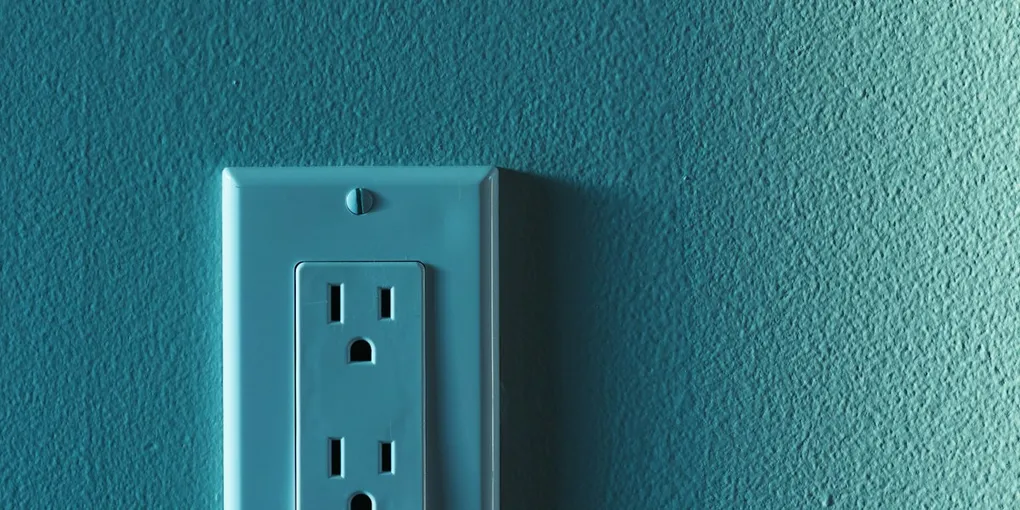
About 90% of dead outlets are fixed in two minutes without tools. A GFCI outlet somewhere on the circuit has tripped, or the breaker has tripped.
About 90% of dead outlets are fixed in two minutes without tools. A GFCI outlet somewhere on the circuit has tripped, or the breaker has tripped. Reset one or both, and the outlet comes back to life.
The remaining 10% involves a loose wire connection or a failed outlet — both of which you can fix yourself in under 30 minutes with a screwdriver and a voltage tester, as long as you follow the safety steps.
Work through this in order. The free and fast checks come first.
Step 1: Check for a Tripped GFCI
GFCI outlets — the ones with TEST and RESET buttons — protect not just themselves but every outlet downstream on the same circuit. A single tripped GFCI in the bathroom can kill outlets in the hallway, bedroom, or even an adjacent room, depending on how the circuit is wired.
Where to look:
- Bathrooms — every bathroom typically has at least one GFCI outlet
- Kitchen — countertop outlets near the sink
- Garage — usually one GFCI protects all garage outlets
- Laundry room — near the utility sink if there is one
- Outdoor outlets — often on their own GFCI circuit
- Basement — unfinished basements require GFCI protection
Press RESET firmly on every GFCI you find. Some GFCI buttons require real pressure to latch. After pressing each one, go back and test the dead outlet.
If you find a GFCI that does not latch when you press RESET — it springs back out immediately — there is still a fault on that circuit. Unplug everything connected to outlets on that circuit and try again. If it still will not latch, the GFCI itself may have failed and needs to be replaced.
Cost: Free.
Step 2: Check the Breaker Panel
Open your breaker panel (usually in the garage, basement, utility closet, or hallway).
Look for a breaker that is in the middle position — not fully on, not fully off. A tripped breaker sits in a center position that is easy to miss if you are scanning quickly. Some panels show a red or orange indicator window on tripped breakers.
To reset:
- Push the tripped breaker firmly all the way to OFF.
- Then push it back to ON. You should feel and hear a click.
- Test the outlet.
If the breaker trips again the moment you reset it, or trips within a few seconds, something on that circuit is causing a short or overload. Unplug everything on that circuit and try again. If it trips with nothing plugged in, call an electrician — there is a wiring fault.
Cost: Free.
Step 3: Test the Outlet with a Plug-In Tester
If the GFCI and breaker checks did not resolve it, you need to know whether the outlet is receiving power at all.
A plug-in outlet tester ($10-15) plugs directly into the outlet and shows you via indicator lights whether the outlet has power, whether hot and neutral are correctly wired, and whether the ground is connected. This is the fastest diagnostic tool for this job.
Alternatively, a non-contact voltage tester inserted into the hot slot (the shorter slot on a standard outlet) will beep or light up if the outlet has power.
A digital multimeter with probes in the hot and neutral slots will show you the actual voltage — should read 120V on a standard outlet.
If the outlet has power but nothing works when you plug in: The outlet contacts themselves have failed. Skip to Step 5 to replace it.
If the outlet has no power: Proceed to Step 4 to check for a loose wire.
Step 4: Inspect for a Loose Wire
A loose wire connection is the most common actual wiring failure causing a dead outlet. Outlets that use push-in connectors (backstab connections) on the back are especially prone to this — the spring contact weakens over time and the wire loses contact.
Turn off the breaker before opening the outlet. Verify it is off with a voltage tester.
- Remove the cover plate (one center screw).
- Unscrew the two mounting screws holding the outlet in the box (top and bottom).
- Gently pull the outlet out. The wires are typically 6 inches long — enough to work with.
- Use a non-contact voltage tester on each wire to confirm the breaker is off and no voltage is present.
- Inspect every wire connection:
- Look for wires that have pulled free from the screw terminals or from the push-in holes on the back.
- Check that all screw terminal connections are tight — wires should not move when you tug them.
- If any wire is using a push-in connection, move it to the screw terminal instead.
To reconnect to a screw terminal: strip about 3/4 inch of insulation, form the bare copper into a clockwise hook, loop it around the screw, and tighten so the screw pulls the wire in as it closes. The connection should not wiggle.
Reinstall the outlet, restore the breaker, and test.
Cost: Free if a wire just needs to be re-secured. $3-8 for a replacement outlet if the old one is damaged.
Step 5: Replace the Outlet
If the outlet has power (confirmed by your tester) but the plugged-in device still does not work, the outlet contacts have worn out. Standard outlets cost $3-8 and take about 10 minutes to swap.
Turn off the breaker. Verify with a voltage tester before touching any wire.
- Take a photo of the existing wiring before disconnecting anything.
- Disconnect all wires from the old outlet.
- Connect wires to the new outlet:
- Black wire (hot) to the brass screw
- White wire (neutral) to the silver screw
- Bare copper or green wire (ground) to the green screw
- Use screw terminals, not the push-in holes on the back.
- Fold the wires back into the box, mount the outlet, reinstall the cover plate.
- Restore power and test with a plug-in outlet tester to confirm correct wiring.
If you are replacing in a bathroom, kitchen, garage, outdoor location, or within 6 feet of a sink, use a GFCI outlet instead of a standard outlet.
When to Call an Electrician
Stop DIY troubleshooting and call a licensed electrician if:
- The outlet or cover plate is warm to the touch
- You smell burning or see scorch marks inside the box
- The breaker keeps tripping after you reset it with everything unplugged
- You find silver-colored wire (aluminum wiring, common in homes built 1965-1973)
- The wiring inside the box is confusing or you cannot identify what connects to what
- Multiple outlets on different circuits are dead at the same time
A burnt smell or warm outlet is a fire risk. Turn off that circuit and call immediately — do not wait.
Typical electrician costs:
- Service call and diagnosis: $75-150
- Outlet repair or replacement: $100-200
- GFCI outlet installation: $130-250
- Wiring fault repair: $150-400+
Related Reading
- How to Fix a Loose Electrical Outlet
- How to Fix a Tripping GFCI Outlet
- How to Install a GFCI Outlet
- How to Replace an Electrical Outlet
- How to Add an Electrical Outlet — run a new outlet circuit where none exists
- Check for a Tripped GFCI
GFCI outlets — the ones with TEST and RESET buttons — protect not just themselves but every outlet downstream on the same circuit.
- Check the Breaker Panel
Open your breaker panel (usually in the garage, basement, utility closet, or hallway).
- Test the Outlet with a Plug-In Tester
If the GFCI and breaker checks did not resolve it, you need to know whether the outlet is receiving power at all.
- Inspect for a Loose Wire
A loose wire connection is the most common actual wiring failure causing a dead outlet. Outlets that use push-in connectors (backstab connections) on the back are especially prone to this — the spring contact weakens over time and the wire loses cont...
- Replace the Outlet
If the outlet has power (confirmed by your tester) but the plugged-in device still does not work, the outlet contacts have worn out. Standard outlets cost $3-8 and take about 10 minutes to swap.
Free: 10-Point Home Maintenance Checklist
Prevent costly repairs with this seasonal checklist. Save hundreds every year by catching problems early.
Your checklist is ready!
Open Checklist →Something went wrong. View the checklist here.