How to Fix a Cabinet Hinge: Adjust, Repair, and Replace (2026)
Cabinet doors that sag, won't close, or hit the frame usually need hinge adjustment, not replacement. This guide covers adjusting European cup hinges, fixing stripped screw holes, and replacing broken hinges.
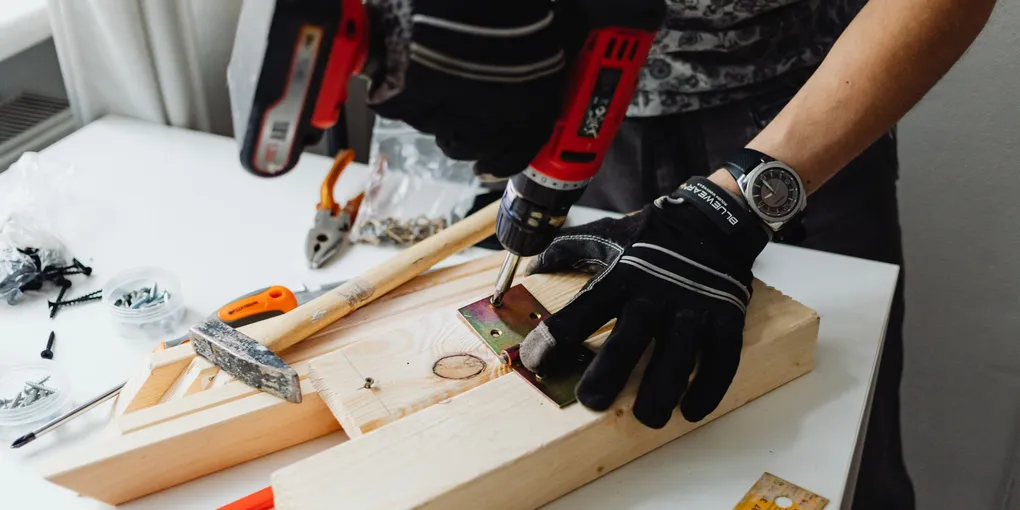
Most modern kitchen cabinets use European-style concealed cup hinges — these have three adjustment screws that move the door left/right, up/down, and in/out without removing the hinge. If the door sags: turn the vertical adjustment screw. If it hits the adjacent door: turn the side adjustment screw. If the door isn't flush with the face frame: turn the depth adjustment screw. All three adjustments are usually accessible with a Phillips screwdriver while the door is still mounted.
Frequently Asked Questions
My cabinet door is uneven or hitting the next door. How do I adjust it?
Modern European cup hinges have three adjustments: (1) Side adjustment (left/right): the small screw on the side of the hinge arm — turns the door left or right to align with adjacent doors or center it in the opening. (2) Height adjustment (up/down): on some hinges, the screw that mounts the hinge arm to the mounting plate — loosening it allows vertical shift. (3) Depth adjustment (in/out): the screw that pushes the arm closer or farther from the door face — controls how flush the door sits with the frame. Adjust small amounts (1/4 turn) and close the door to check after each adjustment.
How do I fix a screw hole that's stripped and won't hold the hinge?
Three methods, in order of effort: (1) Toothpick + wood glue: remove the screw, fill the hole with a toothpick or two dipped in wood glue, let cure overnight, trim flush, re-drive the screw. (2) Screw anchor insert: use a [self-tapping screw anchor](https://www.amazon.com/s?k=screw+hole+repair+kit+cabinet+wood&tag=fixupfirst-20) that threads into the stripped hole and provides a fresh thread. (3) Move the hinge: shift the hinge 1/2 inch to fresh wood — fill the old holes with wood filler.
My cabinet door hinge is broken. What do I need to replace it?
For European cup hinges: measure the cup diameter (most are 35mm — this is the standard). Measure the boring depth (usually 11–13mm). Note the overlay type: full overlay (door covers the full face frame), half overlay, or inset. The adjustment range and mounting plate style should match what you have. Replacement hinges are widely available at home centers and online — Blum, Grass, and Salice are common quality brands. Bring the old hinge to the hardware store if unsure.
What is overlay in cabinet hinges and how do I measure mine?
Overlay is how much the door face extends beyond the cabinet box (or face frame). Full overlay: the door covers all but 1/8 inch of the frame — used in frameless cabinets and some face-frame cabinets. Half overlay: the door covers half the face frame — used when two doors share a center stile. Inset: the door sits flush inside the frame opening — requires a special inset hinge. To measure your overlay: close the door and measure how much of the cabinet frame opening the door covers from the inside edge of the door to the edge of the opening.
My cabinet door won't stay closed — it springs open. Why?
This is usually a soft-close mechanism problem or the door is warped. For soft-close hinges: if the door bounces back open, the soft-close clip may be mis-adjusted or worn out. Remove the soft-close clip (it snaps off most European hinges) and replace it — clips cost $1–$3 each. For non-soft-close hinges: add a [self-adhesive magnetic catch](https://www.amazon.com/s?k=magnetic+cabinet+catch+self+adhesive&tag=fixupfirst-20) inside the cabinet to hold the door closed. For a warped door: shimming or replacing is the only fix.
Most modern kitchen cabinets use European-style concealed cup hinges — these have three adjustment screws that move the door left/right, up/down, and in/out without removing the hinge. If the door sags: turn the vertical adjustment screw.
Cabinet hinge adjustments are the most accessible fine-tuning in a kitchen. Here’s the process.
What you need
- Phillips screwdriver
- Ruler or tape measure
- Toothpicks and wood glue (for stripped holes)
- Replacement European cup hinges (if replacing)
Adjust a European cup hinge (3-way adjustment)
Open the cabinet door to expose the hinges. You’ll see the hinge consists of two parts: the cup mounted in the door, and a mounting plate on the cabinet box. They connect via the hinge arm.
Three adjustment screws (locations vary by brand, but typically):
1. Side adjustment — usually a large Phillips screw in the center of the hinge arm. Turning it moves the door left and right.
- Door hits adjacent door on the right: turn this screw clockwise (moves door left)
- Gap is too wide on the right: turn counterclockwise (moves door right)
- Adjust 1/4 turn at a time, close and check
2. Depth adjustment — typically the screw at the back of the arm where it clips onto the mounting plate. Turning it pulls the door toward or away from the frame.
- Door protrudes beyond frame: turn to push door in
- Door is recessed: turn to pull door out
3. Height adjustment — on hinges with a slot in the mounting plate, loosen the mounting plate screw and slide the entire mounting plate up or down, then retighten.
- Some hinge brands combine height and depth adjustment in the mounting plate screws
Close the door and check alignment after each adjustment.
Fix a stripped screw hole
- Remove the hinge (unscrew from the cabinet side).
- Dip 1–2 wooden toothpicks in wood glue. Insert into the stripped hole and snap off flush.
- Let cure 30–60 minutes.
- Re-drive the original screw. The toothpick material gives the screw fresh thread to bite into.
Replace a broken hinge
- Close the door and note which hinge is broken.
- Open the door and support it — if both hinges are on the same side, have a helper hold it.
- Unscrew the broken hinge from both the door (cup side) and the cabinet (mounting plate side).
- Match the replacement to the original: 35mm cup, same overlay type, same arm length.
- Mount the replacement mounting plate in the same holes on the cabinet.
- Snap the hinge arm onto the mounting plate.
- Adjust per the three-way adjustment steps above.
Related guides
- How to Paint Kitchen Cabinets — refinish while the doors are off
- How to Install Under-Cabinet Lighting — upgrade while you’re in the cabinet area
- How to Fix a Sliding Door — similar track and hardware adjustments
- Adjust side (lateral) position
Open the door fully to expose hinges. Find the large Phillips screw in the center of the hinge arm — this moves the door left and right. Door hits adjacent door on the right: turn clockwise to move door left. Gap too wide on the right: turn counterclockwise to move door right. Adjust 1/4 turn at a time, close and check after each.
- Adjust depth (in/out)
Find the screw at the back of the hinge arm where it clips onto the mounting plate. This pulls the door toward or away from the face frame. Door protrudes beyond frame: turn to push door in. Door is recessed: turn to pull door out. Close and check alignment after each quarter turn.
- Adjust height (up/down)
On hinges with a slot in the mounting plate: loosen the mounting plate screw and slide the entire mounting plate up or down, then retighten. This moves the door vertically. Close the door and check that the top and bottom edges align with neighboring doors.
- Fix a stripped screw hole
Remove the hinge by unscrewing it from the cabinet side. Dip 1-2 wooden toothpicks in wood glue, insert into the stripped hole so they protrude slightly, and snap off flush. Let cure 30-60 minutes. Re-drive the original screw — the toothpick material gives the screw fresh wood fiber to bite into.
- Replace a broken hinge
Open the door and support it. Unscrew the broken hinge from both the door (cup side) and the cabinet (mounting plate side). Match the replacement to the original: 35mm cup diameter, same overlay type (full, half, or inset), same arm length. Mount the replacement plate in the same holes, snap the hinge arm onto the plate, then re-adjust using the three-way screws.
Free: 10-Point Home Maintenance Checklist
Prevent costly repairs with this seasonal checklist. Save hundreds every year by catching problems early.
Your checklist is ready!
Open Checklist →Something went wrong. View the checklist here.