How to Fix a Broken Outdoor Outlet Cover in 10 Minutes ($4–$8 Weatherproof Replacement)
Broken outdoor outlet cover? Replace it with a weatherproof in-use cover for $4–$8 — snaps on in 10 minutes and keeps moisture out even with cords plugged in. Code-required for all outdoor outlets.
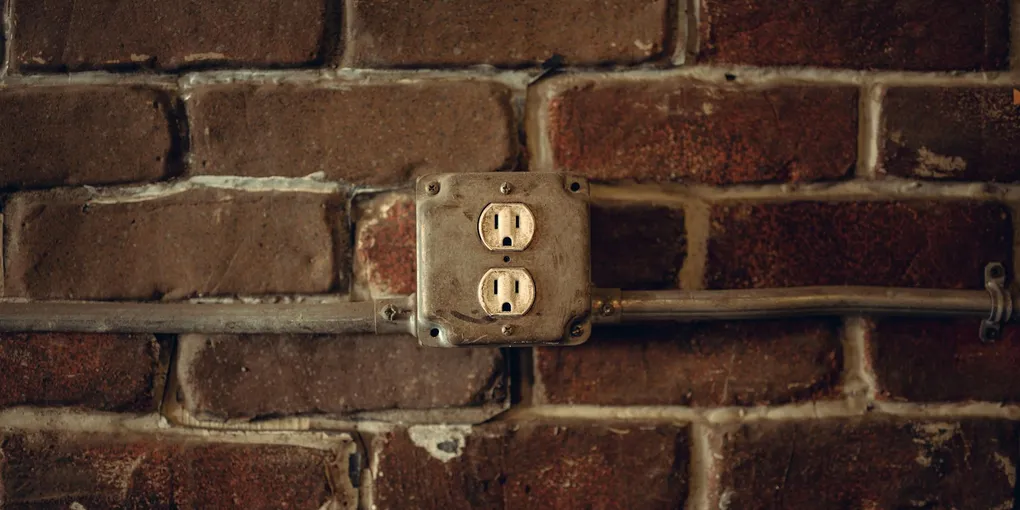
A cracked or missing outdoor outlet cover is a quick fix that should not be delayed. Without a weatherproof cover, rain and condensation can reach live electrical contacts and create a shock hazard.
A cracked or missing outdoor outlet cover is a quick fix that should not be delayed. Without a weatherproof cover, rain and condensation can reach live electrical contacts and create a shock hazard. Replacement covers cost $5 to $20 at any hardware store, and the swap takes under 30 minutes with a single screwdriver.
This guide covers selecting the right cover type, removing the old cover safely, installing a while-in-use weatherproof replacement, and sealing around the box to prevent moisture infiltration.
What You Need
- While-in-use weatherproof outlet cover (single-gang, bubble style) — The code-compliant option for any outdoor wet-location outlet. Protects the outlet and cord from rain even when a plug is inserted.
- Exterior-grade silicone caulk (clear or paintable) — For sealing the gap between the cover plate and the siding or masonry. Prevents water from wicking into the wall cavity around the box.
- Replacement cover plate gasket — The foam or rubber seal between the cover and the wall. Replace if the existing gasket is compressed, cracked, or missing.
- Flathead screwdriver, Phillips screwdriver, caulk gun, and circuit tester
Step 1: Turn Off the Circuit and Verify Power Is Off
Even though you are only replacing the cover, outdoor outlets are exposed to weather and deserve an extra margin of safety.
- Locate the circuit breaker that controls the outdoor outlet. It may be labeled “exterior outlet,” “porch,” “deck,” or “garage.” If unlabeled, plug a phone charger into the outlet and flip breakers one at a time until the charger loses power.
- Flip the breaker to the OFF position.
- Use a non-contact voltage tester to confirm the outlet is de-energized. Touch the tester to each slot of the outlet — it should not beep or light up.
Do not skip the tester step. Mislabeled breakers are common in older homes.
Step 2: Remove the Old Cover
- Locate the mounting screws. Most covers have one or two screws running vertically through the center of the cover plate into the electrical box.
- Remove the screws with a flathead or Phillips screwdriver (covers vary by brand).
- Pull the cover away from the wall. If it is stuck, old caulk may be bonding it in place. Run a utility knife blade around the perimeter to cut through the caulk bead before prying.
- Inspect the gasket. If the foam or rubber gasket behind the old cover is compressed, brittle, or torn, replace it with a new one sized to your box configuration.
Note the orientation of the outlet inside the box — the GFCI test and reset buttons should be accessible through the new cover’s openings.
Step 3: Inspect the Outlet and Box
While the cover is off, take 60 seconds to inspect what is behind it.
- Check the GFCI outlet by pressing the TEST button (should trip) and then the RESET button. The outlet should be working before you reinstall the cover.
- Look for moisture inside the box. Staining, rust on the mounting screws, or visible water indicates the box has been leaking. Dry it completely and seal more aggressively when reinstalling.
- Inspect the wiring briefly for any frayed insulation visible at the front of the outlet. If you see damaged wiring, stop and consult a licensed electrician before proceeding.
Step 4: Install the New Weatherproof Cover
While-in-use (bubble) covers have a deep rectangular housing that accommodates a plug and cord within the closed cover. They typically consist of a back plate that mounts to the box and a hinged front cover.
- Position the gasket on the back of the cover plate against the wall surface. Many replacement covers include a gasket; if yours does not, purchase one separately and press it into the recessed channel on the back of the plate.
- Align the screw holes in the cover plate with the threaded holes in the electrical box.
- Thread the mounting screws by hand until snug, then tighten with a screwdriver. Do not overtighten — cracking the cover plate defeats the purpose of the repair.
- Verify the cover closes fully and the latch or spring mechanism engages cleanly. The cover should sit flush against the wall with no gaps along the sides.
- Confirm the cord slot (for while-in-use covers) opens and closes freely and seals when closed.
Step 5: Caulk the Perimeter
Even with a gasket, the joint between the cover plate and siding or masonry should be caulked to prevent water infiltration.
- Load exterior-grade silicone caulk into the caulk gun.
- Run a thin, continuous bead around the perimeter of the cover plate where it meets the wall surface.
- Smooth with a wet finger and remove any excess.
- Allow the caulk to cure per the label (typically 24 hours) before exposing to rain.
Step 6: Restore Power and Test
- Return to the breaker panel and flip the circuit back ON.
- Plug in a phone or lamp to confirm the outlet is working.
- Press the GFCI TEST button — the outlet should de-energize. Press RESET — power should return.
- Close the cover and confirm the latch holds. Done.
When to Replace the Outlet, Not Just the Cover
If the GFCI outlet does not reset, the outlet face is discolored or burnt, or you find damaged wiring, the cover alone is not the issue. A GFCI outlet replacement costs $15 to $30 in parts and is a straightforward DIY job if you are comfortable turning off the breaker and reconnecting wire terminals. When in doubt, call a licensed electrician — outdoor wiring errors cause fires.
Related Reading
- How to Fix a Broken Electrical Outlet
- How to Install a GFCI Outlet
- How to Fix a Broken Exterior Light Fixture
- Turn Off the Circuit and Verify Power Is Off
Even though you are only replacing the cover, outdoor outlets are exposed to weather and deserve an extra margin of safety.
- Remove the Old Cover
Locate the mounting screws. Most covers have one or two screws running vertically through the center of the cover plate into the electrical box.
- Inspect the Outlet and Box
While the cover is off, take 60 seconds to inspect what is behind it.
- Install the New Weatherproof Cover
While-in-use (bubble) covers have a deep rectangular housing that accommodates a plug and cord within the closed cover. They typically consist of a back plate that mounts to the box and a hinged front cover.
- Caulk the Perimeter
Even with a gasket, the joint between the cover plate and siding or masonry should be caulked to prevent water infiltration.
- Restore Power and Test
Return to the breaker panel and flip the circuit back ON.
Free: 10-Point Home Maintenance Checklist
Prevent costly repairs with this seasonal checklist. Save hundreds every year by catching problems early.
Your checklist is ready!
Open Checklist →Something went wrong. View the checklist here.