How to Fix a Broken Exterior Light Fixture (2026)
An outdoor light fixture that flickers, won't turn on, or leaks water can usually be repaired without a full replacement. This guide covers replacing a bulb socket, making waterproof wiring connections, replacing the gasket seal, and swapping the full fixture.
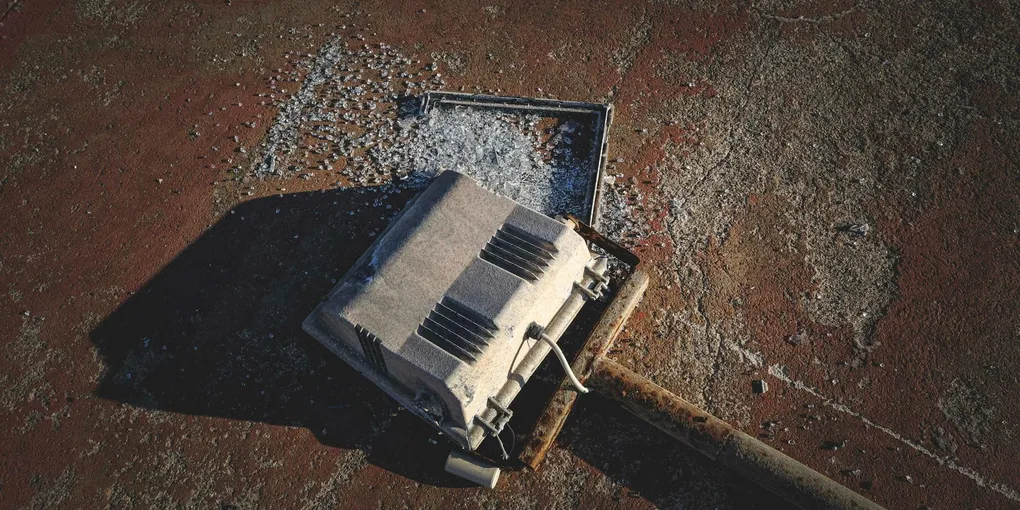
Outdoor light fixture repair: (1) If the light won't turn on with a good bulb: test the socket with a non-contact voltage tester — if voltage is present but the bulb doesn't light, the socket is bad and needs replacement. (2) If water is getting inside the fixture: replace the foam or rubber gasket between the fixture base and the wall. (3) If wires are corroded or the fixture is cracked: replace the entire fixture — outdoor fixtures cost $20–$80 and the swap takes under an hour.
Frequently Asked Questions
How do I safely work on an outdoor light fixture?
Outdoor light fixture safety: (1) Turn off the circuit breaker for the exterior light, not just the wall switch. A wall switch interrupts the hot wire, but some outdoor fixtures are wired with the switch on the neutral — turning the switch off does not make the fixture safe to touch. Always kill power at the breaker. (2) Verify power is off with a non-contact voltage tester before touching any wires. Hold the tester near the black (hot) wire and both of the wire nuts — no beep or flash confirms the power is off. (3) Work in dry conditions. Never work on outdoor electrical in rain or on a wet ladder. The fixture must be dry internally before reconnecting power — moisture in the wiring compartment can cause a short. (4) If the fixture is on a GFCI circuit (required by code for outdoor outlets and fixtures near water): the GFCI outlet may have tripped rather than the breaker. Check nearby GFCI outlets and reset them before concluding the fixture is bad. (5) For fixtures mounted 10 feet or higher: use a stable ladder rated for the task. Have a second person hold the ladder base.
How do I replace a bulb socket inside an outdoor light fixture?
Bulb socket replacement: (1) A socket fails when the spring contact at the bottom of the socket corrodes flat, loses spring tension, or the socket shell corrodes internally. Symptoms: flickering, bulb feels loose even when screwed in all the way, light only works if bulb is pressed upward. (2) Turn off the circuit breaker. Remove the fixture globe or glass cover. Remove the old bulb. (3) Inside the fixture, the socket is attached to the fixture body by a ring nut (a threaded collar that screws into the fixture shell) or by screws. Unscrew the ring nut counterclockwise (or remove the mounting screws) and pull the socket out. The socket is connected to two wires: black (hot) to the brass-colored socket tab, white (neutral) to the silver threaded shell. (4) Disconnect the wires from the old socket terminals. Connect the wires to the matching terminals on the replacement socket. Replacement keyless lamp sockets are available at hardware stores for $5–$10 — confirm the socket base size (medium base E26 is standard). (5) Reinstall the socket, replace the globe, restore power, and test.
How do I fix water intrusion inside an outdoor light fixture?
Weatherproofing an outdoor light fixture: (1) Water in a fixture is caused by a failed gasket between the fixture base and the mounting surface (the wall or electrical box cover). The gasket is a foam or rubber ring that compresses when the fixture is mounted and seals out rain and insects. (2) Turn off power at the breaker. Remove the fixture globe and bulb. Loosen the mounting screws that attach the fixture base to the electrical box or mounting plate. Pull the fixture away from the wall slightly. (3) Inspect the gasket behind the fixture base. Old foam gaskets compress permanently and no longer seal. Remove the old gasket — it usually pulls off. (4) Cut a replacement gasket from foam weatherstripping tape or purchase a pre-cut outdoor fixture gasket. Trace the fixture base onto the foam and cut to shape. Self-adhesive foam tape 3/16 inch thick by 3/4 inch wide is the standard. (5) Apply the new gasket to the back face of the fixture base. Press the fixture firmly against the wall and tighten the mounting screws until the gasket compresses. Do not overtighten — compress just enough to seal. (6) Also apply a small bead of clear exterior silicone caulk where the electrical box cover meets the wall, if there is any gap.
What type of wire connectors should I use for outdoor light fixture wiring?
Waterproof wire connectors for outdoor use: (1) Standard plastic wire nuts are not rated for outdoor or wet locations. They allow water to wick up the wire and cause corrosion at the connection over time. (2) Ideal 61-R Wire Nuts with sealant (gel-filled wire nuts): these wire nuts contain a silicone gel inside the cap that seals around the wires when the nut is twisted on. They are rated for direct burial and wet locations. Use these for all outdoor fixture wiring connections. (3) King Innovation DRYCONN connectors: another gel-filled waterproof connector. Same function as Ideal gel wire nuts. Available at most hardware stores. (4) Heat-shrink solder connectors: a butt connector with a ring of solder and heat-shrink tubing. Apply heat with a heat gun — the solder melts to the wires and the shrink tube seals the connection. Excellent for fixtures where the junction box has chronic moisture problems. (5) Standard wire nuts in outdoor boxes: if the electrical box is a properly sealed outdoor-rated box (with a gasketed cover) and is not in a wet location, standard wire nuts inside the box are acceptable code. But for any fixture that has shown moisture intrusion, gel-filled wire nuts are the right choice.
When should I replace the entire fixture instead of repairing it?
Full fixture replacement criteria: (1) The fixture body is cracked or the seams have separated. A cracked polycarbonate or die-cast aluminum fixture body cannot be reliably sealed against moisture, and moisture causes ongoing electrical hazards. (2) Corrosion is visible on the wiring compartment walls, on the wire insulation, or on the mounting bracket. Once moisture has entered the wiring compartment and caused corrosion, the insulation may be compromised. A new fixture starts with clean connections and intact insulation. (3) The socket replacement cost approaches the fixture replacement cost. Outdoor fixtures range from $20–$80 for typical residential styles. A new socket is $8–$12 plus labor. If the fixture is old and shows multiple problems (bad socket, corroded wires, cracked globe), replace the entire fixture. (4) The fixture is a non-standard style that requires special parts. Replacement sockets and globes for discontinued fixture styles are difficult to find. A new fixture is more practical. (5) You want to upgrade to LED or add motion sensing. New outdoor fixtures commonly include integrated LED arrays and motion sensors. Replacing the fixture while the wiring is exposed accomplishes two goals at once.
How do I add weatherproof wire connections when replacing an outdoor fixture?
Making weatherproof outdoor wiring connections: (1) Strip 3/4 inch of insulation from each wire using a wire stripper set to the correct gauge — most outdoor fixture wire is 12 or 14 AWG. (2) Check the existing wire condition: the insulation on the supply wire should be flexible and not cracked. If the wire insulation crumbles when bent, the wire is heat-damaged or aged and should be reported to an electrician — do not make new connections to damaged insulation. (3) Twist the matching wires together (black to black, white to white, bare copper ground to bare copper ground). The twists should be tight and uniform. (4) Apply gel-filled wire nuts: place the gel wire nut over the twisted wires and turn clockwise until firm. Give each nut a gentle tug — properly connected wires should not pull out. (5) Fold the wires into the electrical box carefully, making sure no wire insulation is pinched by the fixture mounting bracket or caught in the mounting screws. (6) Apply a small bead of paintable exterior caulk around the rim of the electrical box cover where it contacts the wall surface, to prevent moisture from entering the box from behind.
Outdoor light fixture repair: (1) If the light won’t turn on with a good bulb: test the socket with a non-contact voltage tester — if voltage is present but the bulb doesn’t light, the socket is bad and needs replacement. (2) If water is getting inside the fixture: replace the foam or rubber gasket between the fixture base and the wall.
Most outdoor light fixture problems are solved by one of three fixes: a new socket ($8), a new gasket seal (free with foam tape), or a full fixture swap ($30). All three are within reach of a confident DIYer.
What You Need
The specific parts depend on your diagnosis, but have these on hand before you start:
- Non-contact voltage tester — confirm power is off before touching any wire; essential for electrical safety
- Gel-filled waterproof wire connectors (Ideal Weatherproof) — rated for wet locations, replace standard wire nuts in any outdoor fixture with moisture history
- Keyless lamp socket replacement (E26 medium base) — drop-in socket replacement for most outdoor fixtures
- Foam weatherstrip tape (3/16 inch thick) — cut to shape to create a new gasket between fixture base and wall
- Clear exterior silicone caulk — seals the junction box cover to the wall and any gaps at the fixture base
- Outdoor wall light fixture (motion sensor, LED) — when the fixture itself needs replacement; most ship with mounting hardware and a gasket
Diagnose the Problem First
Before buying any parts, identify what is actually wrong. An outdoor fixture that is not working can fail for several reasons that have nothing to do with the fixture itself.
Check the GFCI first. Many outdoor fixtures are on the same circuit as outdoor GFCI outlets. A tripped GFCI anywhere on the circuit cuts power to the fixture. Walk around the exterior and check all outdoor GFCI outlets — press the reset button on any that show as tripped. Also check GFCI outlets in the garage and bathrooms, which share circuits with exterior outlets on some home wiring plans.
Check the circuit breaker. Go to the electrical panel and find the breaker for exterior lights. If it has tripped to the center (tripped) position, switch it fully off and then back on to reset it.
Test the bulb. Before suspecting the fixture, test the bulb in a working fixture or use a new bulb. LED outdoor bulbs last years, but they do fail.
Test the socket. With the breaker on and the wall switch on, use a non-contact voltage tester near the socket. If the tester beeps (indicating voltage present) but the bulb does not light, the socket is bad. If the tester does not beep, the problem is in the wiring supply, the switch, or the breaker.
Look for water. Remove the globe and look inside the fixture for rust staining, corrosion on the socket, or visible moisture. Water intrusion that has reached the socket or wires requires more than a socket swap — also replace the gasket and wiring connections.
Repair 1: Replace the Bulb Socket
This is the most common outdoor fixture repair when the light won’t turn on despite a working bulb and verified power supply.
Step 1: Kill the power at the breaker. Do not rely on the wall switch. Turn off the circuit breaker for the exterior light. Verify with your non-contact voltage tester at the fixture before touching any wires.
Step 2: Remove the globe and bulb. Globes are held by a finial nut (screws off the threaded stem at the bottom), by screws in the fixture band, or by a twist-lock ring. Remove the bulb.
Step 3: Access and remove the socket. The socket is attached inside the fixture body. On most fixtures, a ring nut (threaded collar) holds the socket in the fixture shell. Unscrew the ring nut counterclockwise and pull the socket down. Alternatively, two small screws secure the socket — remove them and pull the socket free.
Step 4: Disconnect the old socket. The socket has two wire connections: hot (black) to the brass tab at the center contact, and neutral (white) to the silver shell. Some sockets use screw terminals; others use push-in connectors. Note the connections, then disconnect both wires.
Step 5: Connect the replacement socket. Connect the black wire to the brass (hot) terminal and the white wire to the silver (neutral) terminal. Use the same connection method as the original.
Step 6: Reinstall and test. Thread the socket back into the fixture body and secure with the ring nut or screws. Reinstall the bulb and globe. Restore power at the breaker and test the light.
Repair 2: Replace the Gasket and Weatherproof the Fixture
Water inside the fixture accelerates corrosion of the socket and wiring connections. Replace the gasket any time you find moisture inside.
Step 1: Kill power at the breaker and verify.
Step 2: Remove the fixture from the wall. Loosen the mounting screws that hold the fixture base to the wall or electrical box mounting plate. Pull the fixture away from the wall carefully — the supply wires are still connected inside and give you only a few inches of slack.
Step 3: Inspect the existing gasket. The gasket is between the flat back of the fixture base and the wall or electrical box cover. Old foam gaskets compress permanently and look flat or crumbled. Rubber gaskets crack with age.
Step 4: Remove the old gasket. Peel or scrape off the old gasket material from the fixture base. Clean off any adhesive residue.
Step 5: Cut and apply a new gasket. Use 3/16-inch thick self-adhesive foam weatherstrip tape. Place the fixture base face-down on the foam tape and trace the outline with a marker. Cut the tape to shape with scissors, including cutouts for the mounting screws and wire entry point. Peel the backing and press the foam onto the back of the fixture base.
Step 6: Replace wiring connections with waterproof connectors. While the fixture is off the wall, unscrew the wire nuts on the supply and fixture wires. Inspect the wire ends for green corrosion — trim off any corroded wire ends with wire strippers to expose fresh copper. Reconnect with gel-filled waterproof wire connectors.
Step 7: Remount the fixture. Feed the wires back into the electrical box. Press the fixture against the wall, compressing the new foam gasket. Drive the mounting screws until the gasket is firmly compressed — snug but not crushing.
Step 8: Apply exterior caulk at the perimeter. Run a thin bead of clear exterior silicone caulk around the edge of the fixture base where it meets the wall. Smooth with a wet finger. This secondary seal prevents water from working around the gasket over time.
Repair 3: Replace the Full Fixture
When the fixture body is cracked, the socket and wires are severely corroded, or you want to upgrade, a full fixture swap is the right move.
Step 1: Kill power at the breaker and verify.
Step 2: Remove the old fixture. Loosen the mounting screws and pull the fixture from the wall. Unscrew the wire nuts and separate the fixture wires from the supply wires.
Step 3: Check the electrical box. The electrical box must be rated for exterior use and must be secured to framing or a wall anchor rated for the fixture weight. Outdoor boxes are typically plastic with a gasketed cover plate. If the box is corroded or not rated for damp/wet locations, replace it before installing the new fixture.
Step 4: Mount the new fixture bracket. New fixtures typically include a mounting bracket (crossbar) that attaches to the electrical box. Install the crossbar per the fixture instructions.
Step 5: Connect the wires. Connect supply black to fixture black, supply white to fixture white, and supply bare copper or green to fixture ground wire using gel-filled waterproof connectors. Tug each connection to verify it is secure.
Step 6: Mount the fixture to the wall. Most fixtures have a canopy (base cover) that slides over the mounting bracket and is secured with a decorative nut or screws. Apply the included gasket (or your foam tape replacement) between the canopy and the wall.
Step 7: Install the bulb and globe, restore power, and test.
Related Reading
- How to Replace an Outdoor GFCI Outlet — replacing the GFCI outlet that shares a circuit with your outdoor lights
- How to Install a Motion Sensor Light Switch — adding motion sensing to existing outdoor fixtures
- How to Fix an Electrical Outlet That Has No Power — tracing tripped GFCI and breaker issues that also affect outdoor fixtures
- Diagnose before buying parts
Check the GFCI outlet first — many outdoor fixtures are on the same circuit as outdoor GFCI outlets. Press the RESET button on any GFCI outlet near the fixture. Check the circuit breaker. Test the bulb in another socket. Only after these confirm it is a fixture problem should you open the fixture.
- Turn off the breaker and verify power is dead
Turn off the circuit breaker for the exterior light — not just the wall switch. Verify power is off with a non-contact voltage tester held near all wires inside the fixture before touching them.
- Replace a failed bulb socket
Remove the fixture globe and bulb. Unscrew the socket ring nut counterclockwise and pull the socket out. Disconnect the two wires (black to brass tab, white to silver shell). Connect a replacement keyless socket (medium base E26, $5–$10) with the same wire connections. Reinstall the socket, globe, and bulb.
- Replace the weatherproof gasket if water intrudes
Loosen the mounting screws and pull the fixture slightly from the wall. Remove the old compressed foam gasket from the fixture base. Cut a new gasket from 3/16-inch self-adhesive foam weatherstrip tape, tracing the fixture base outline. Stick the new gasket to the fixture base and remount the fixture, compressing the gasket evenly.
- Swap the full fixture if cracked or heavily corroded
If the fixture body is cracked, the wiring compartment is corroded, or multiple parts have failed: replace the whole unit. Use gel-filled waterproof wire nuts (not standard wire nuts) for all connections. Apply exterior silicone caulk around the electrical box cover where it contacts the wall. Restore power and test.
Free: 10-Point Home Maintenance Checklist
Prevent costly repairs with this seasonal checklist. Save hundreds every year by catching problems early.
Your checklist is ready!
Open Checklist →Something went wrong. View the checklist here.