How to Fix a Broken Fence Post: Repair vs. Replace (2026)
A leaning or broken fence post doesn't always mean replacing the entire post. This guide covers using a metal post repair spike to straighten a leaning post, splicing a broken post above ground, and full post replacement when repair isn't enough.
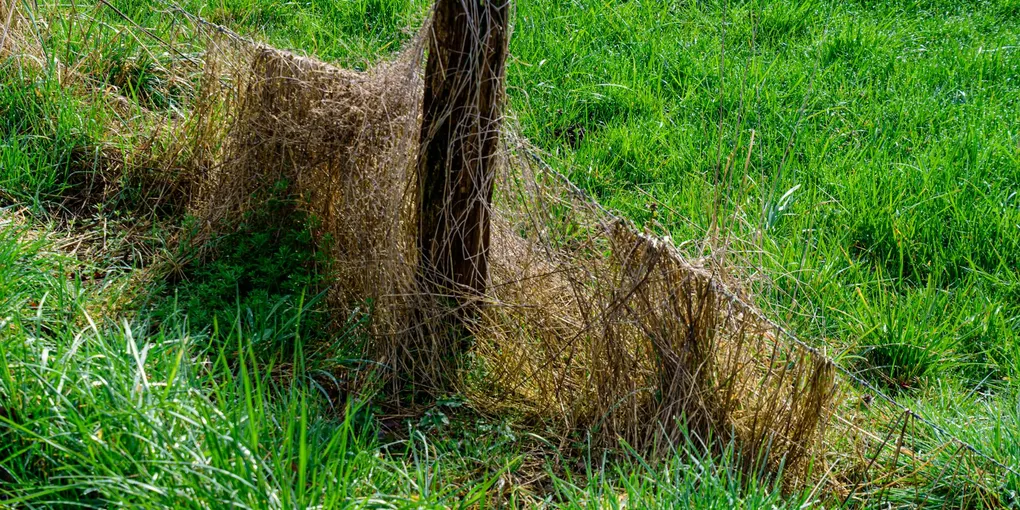
A fence post that is leaning but not rotted can often be straightened with a metal E-Z Mender or AnchorMate post repair spike — a steel spike you drive next to the old post to support it, avoiding full excavation. If the post is rotted at or below ground level: it needs full replacement. Dig out the old post and concrete, set a new post in Quikrete Fast-Setting concrete. Never try to repair a rotted post — rot spreads and the post will fail again.
Frequently Asked Questions
How do I know if my fence post needs repair or full replacement?
Check the post at ground level: probe the wood with a screwdriver. If the screwdriver sinks easily into soft, dark, punky wood — the post is rotted. Rotted posts cannot be structurally repaired — the wood fibers are gone. Full replacement required. If the post is solid and sound but leaning because the concrete or soil around it shifted: a metal repair spike can stabilize it without digging. If the post snapped above ground level: a splice repair using a metal mending plate or a sister post alongside it is possible.
How do I use a metal fence post repair spike?
A fence post repair spike (E-Z Mender, AnchorMate, or generic) is an H-profile or U-profile steel spike with a pointed end. Drive it 12–18 inches into the ground next to the damaged post using a sledgehammer (the spike has a protective cap for driving). Once set, bolt the spike to the post with lag screws. The spike transfers load to undisturbed soil. This works for posts in soft or sandy soil that shifted, and for posts where the concrete anchor itself cracked or heaved. It does NOT fix rotted wood.
How do I remove a fence post and its concrete footing?
Option 1: Jack it out. Attach a large chain or strap around the base of the post. Slide a car jack or fence post puller under it (place a piece of scrap lumber as a fulcrum under the jack). Slowly jack up — this pops the post and concrete out of the ground together. Option 2: Break up the concrete. Dig around the post to expose the concrete footing. Use a breaker bar or sledgehammer to crack the concrete into pieces and remove them. Option 3: Set a new post in the hole alongside the old one — this works when the old post is too difficult to remove and the hole is large enough.
How deep should a fence post hole be?
Standard rule: 1/3 of the total post length should be underground. For a 6-foot-tall fence with 8-foot posts: 2 feet in the ground. In cold climates: the post hole should go 6 inches below the frost line — otherwise freeze-thaw cycles will heave the post. Frost line depths vary by location: check with your local building department or use a frost depth map. In most of the northern US, frost line depth is 24–48 inches. Using a 4-foot deep hole for a 6-foot fence post in a cold climate is standard.
Should I use concrete or gravel for fence post footings?
Both work. Concrete (Quikrete Fast-Setting): pour dry around the post, add water, let cure. Provides maximum stability and is best for gate posts and corner posts that bear extra load. Gravel: fill the hole with crushed stone, compacting as you go. Drains better than concrete (less rot around the post base) and is easier to replace if needed. For standard fence line posts: gravel is fine. For gate posts, corner posts, and anywhere wind load is high: concrete.
How long does a fence post last, and which material lasts longest?
Pressure-treated pine: 15–20 years in ground contact if properly installed and the cut ends are sealed. Cedar: 15–25 years naturally rot-resistant without treatment. Composite or vinyl posts: indefinitely — they do not rot, though they can crack under impact. Steel or aluminum posts: 30+ years with powder-coat finish, negligible maintenance. The single biggest factor in post lifespan regardless of material is moisture management at the ground line: post caps (which seal the top end grain from rain) can add 5–10 years by stopping the most common moisture entry point.
When is it not worth repairing a fence post and I should consider replacing the whole fence?
Calculate the repair-to-replacement ratio: if more than one-third of your fence posts are rotted or failing, wholesale replacement is usually more cost-effective than patching post by post. Same logic applies when multiple rails are splitting, the fence is over 20 years old and several components are failing simultaneously, or the fence style has been discontinued (replacement sections won't match). A single post repair costs $50–$150 in materials. A full fence section replacement runs $15–$30 per linear foot in wood. Get both estimates before committing to piecemeal repair on an aging fence.
A fence post that is leaning but not rotted can often be straightened with a metal E-Z Mender or AnchorMate post repair spike — a steel spike you drive next to the old post to support it, avoiding full excavation. If the post is rotted at or below ground level: it needs full replacement.
Most fence post repairs take under 3 hours once you have the right approach.
What you need
- Fence post repair spike (for leaning/shifted posts)
- Sledgehammer and driving cap
- Lag screws and drill (to fasten spike to post)
- Post hole digger or power auger (for full replacement)
- Quikrete Fast-Setting Concrete (for new post footing)
- Replacement post (pressure treated, same dimensions)
- Level
- Bracing lumber (to hold post plumb while concrete sets)
Repair Option 1: Metal post repair spike (leaning post)
Drive the repair spike 12–18 inches into the ground, tight alongside the leaning post. Use the driving cap and sledgehammer — do not hit the bare spike top.
Pull the post plumb using a come-along or by hand. Drill pilot holes through the spike holes into the post. Drive lag screws to fasten.
Check with a level. Brace with temporary stakes if needed until you confirm the repair holds.
Repair Option 2: Splice a snapped post
If the post snapped above ground and the in-ground section is sound: cut the broken stump flat. Attach a new post section alongside the stump with metal mending plates (heavy-duty — rated for structural load) and carriage bolts. Bolt through both pieces at multiple points.
This is a temporary-to-permanent repair, not as strong as a new post but usable for 5–10 more years.
Full replacement: rotted post
Dig out the old post and concrete. Clean the hole. Set the new pressure-treated post in the hole, check for plumb in two directions, brace with stakes.
Pour Quikrete Fast-Setting concrete dry around the post. Add water per the bag directions. Do not mix — add water and let it cure in place.
Support the post plumb for 4 hours minimum before removing braces.
Related guides
- Fence Repair Cost — what professional fence repair costs when you hire out
- How to Build a Fence — full fence installation reference
- How to Repair a Deck — similar post and joist repair techniques
- Annual Home Maintenance Schedule — annual fence post inspection
- How to Fix a Broken Fence Rail — repair or replace split or rotted rails while you have the post area open
- Assess: repair or replace
Probe the post at ground level with a screwdriver. If it sinks easily into soft, dark, punky wood — the post is rotted and must be fully replaced. If the post is solid but leaning because soil shifted: a metal repair spike can fix it without digging.
- Repair with a metal post spike (leaning but not rotted)
Drive an H- or U-profile steel post repair spike 12-18 inches into the ground immediately alongside the leaning post using a sledgehammer. Pull the post plumb with a level, then bolt the spike to the post using lag screws through the pre-drilled holes.
- Splice a post snapped above ground
Cut the broken stump flat with a handsaw. Attach a new post section alongside the existing post using metal mending plates and carriage bolts through both pieces. Use at least two mending plates on opposite faces for structural strength.
- Full replacement for a rotted post
Dig or jack out the old post and its concrete footing. Dig the new hole to below the frost line or 24 inches minimum, whichever is deeper. Set a new pressure-treated ground-contact post (UC4B rated) in the hole, plumb it with a post level, brace with 2x4 stakes, and pour Quikrete Fast-Setting concrete dry. Add water per instructions and let cure 24-48 hours before removing braces.
Free: 10-Point Home Maintenance Checklist
Prevent costly repairs with this seasonal checklist. Save hundreds every year by catching problems early.
Your checklist is ready!
Open Checklist →Something went wrong. View the checklist here.