How to Clean Vinyl Siding: Power Washing vs. Hand Washing and Mildew Removal (2026)
Dirty or mildewed vinyl siding is one of the most impactful exterior cleaning jobs. This guide covers safe cleaning solutions, power washer pressure settings for vinyl, and how to remove mold and mildew without damaging the surface.
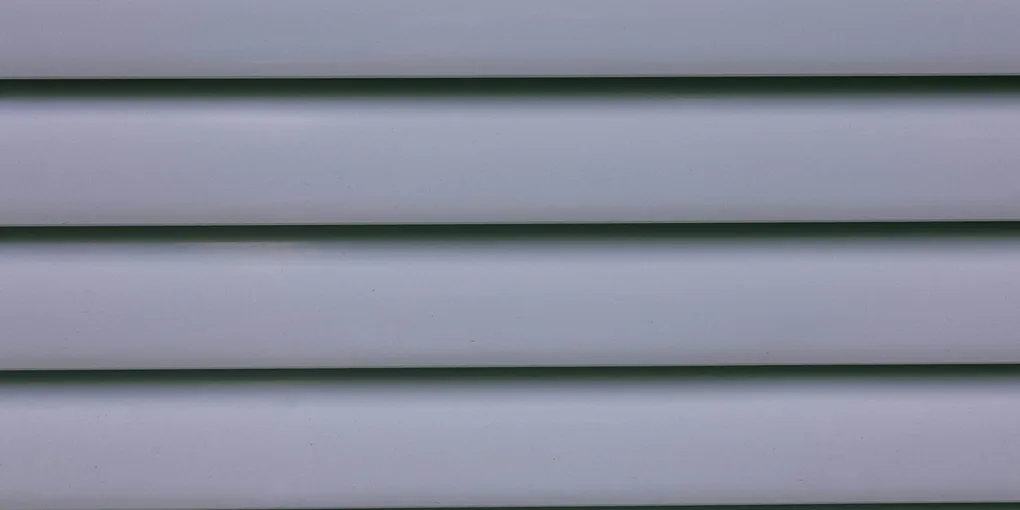
Vinyl siding cleans best with a soft wash approach — a mild cleaning solution (1 part white vinegar or bleach to 3 parts water, or a vinyl siding cleaner) applied with a long-handled soft brush or low-pressure power washer. Power wash at 1,200–1,500 PSI maximum with a wide-angle nozzle (25-40 degrees) — higher pressure forces water behind the panels and causes mold inside the wall cavity. Always spray downward (same direction as water is designed to run), never upward.
Frequently Asked Questions
What is the best cleaner for vinyl siding?
For general dirt: a diluted dish soap solution (1 cup per gallon of water) and a soft brush. For mildew or mold (gray/black streaks): a bleach solution (1/3 cup laundry bleach per gallon of water) or a dedicated vinyl siding cleaner like Wet & Forget or Zep House and Siding. For algae (green discoloration): the bleach solution or an outdoor cleaner with algaecide. Avoid: undiluted bleach, abrasive cleaners, and oil-based cleaners — these can damage the vinyl or the paint-like finish on colored panels.
Will bleach damage vinyl siding?
Diluted bleach (1/3 cup per gallon water, or approximately 1% sodium hypochlorite solution) is safe on most vinyl siding. Don't use undiluted bleach or commercial concentrates at full strength. After applying bleach solution, rinse thoroughly — bleach left on vinyl can break down the surface over time. Also protect nearby plants from bleach runoff — dilute with extra water or cover with tarps.
Can I use a pressure washer on vinyl siding?
Yes, but with the right settings: use 1,200–1,500 PSI maximum. Use a 25-degree or 40-degree nozzle (never 0 or 15-degree — too concentrated). Spray in a downward direction following the panels. Keep the nozzle 12–18 inches from the surface. Never spray upward into the lap joints — water driven up behind the panels is the number one cause of wall rot and mold in vinyl-sided homes.
How often should vinyl siding be cleaned?
Once a year is standard for most climates. In humid climates, near the coast, or in heavily wooded areas (where algae grows faster): twice a year. Visible mold or mildew should be treated immediately, regardless of schedule. An annual cleaning also lets you inspect for cracked or warped panels that need repair.
How do I remove oxidation (chalky, faded vinyl siding)?
Oxidation is the chalky white residue that appears on faded vinyl over time. It's a surface degradation of the vinyl compound. For mild oxidation: a vinyl siding restorer product (like Rejuvenate Outdoor) rubbed in with a microfiber cloth can restore shine and color temporarily. For heavy oxidation: painting the siding is more permanent (use an exterior latex paint formulated for vinyl — don't use oil-based). Replacement is the most permanent solution for severely faded panels.
Can I use Wet & Forget on vinyl siding?
Yes — Wet & Forget Outdoor is one of the best no-scrub options for mold, mildew, and algae on vinyl siding. Dilute per label instructions, apply with a garden sprayer from the ground, and let rain and time work over the following weeks (1-3 months for full results). No rinsing required. Best suited for light to moderate biological growth and preventive maintenance. For heavy buildup, manually scrubbing with a brush and cleaning solution first, then following up with Wet & Forget as a preventive treatment, gives better and faster results.
How do I clean vinyl siding by hand without a pressure washer?
A telescoping car wash brush (8-12 ft extension) lets you reach second-story vinyl from the ground. Mix your cleaning solution in a bucket, apply with the brush in overlapping strokes, and rinse with a garden hose on the jet setting. Work from top to bottom in sections to prevent dirty water from running over cleaned areas. Hand washing takes 30-50% longer than pressure washing but is gentler on older siding with loose or warped panels, and lets you inspect each panel up close for damage, caulk gaps, and trim issues that need attention.
Vinyl siding cleans best with a soft wash approach — a mild cleaning solution (1 part white vinegar or bleach to 3 parts water, or a vinyl siding cleaner) applied with a long-handled soft brush or low-pressure power washer.
Cleaning vinyl siding transforms the exterior appearance. The key is the right pressure and spray angle.
What you need
- Garden hose with spray nozzle or pressure washer
- Long-handled soft-bristle brush for above-ground-level areas
- Cleaning solution (bleach + water for mold, dish soap + water for general cleaning)
- Vinyl siding cleaner (optional, for heavy cleaning)
- Bucket
- Ladder (if needed for second story)
Step 1: Pre-rinse
Wet down all siding with plain water first. This loosens surface dirt and prevents cleaning solution from drying too quickly.
Protect plants and shrubs at the base of the house — either cover with a tarp or pre-wet them with clean water (dilutes any runoff).
Step 2: Mix cleaning solution
For general dirt: 1 cup dish soap per 1 gallon water.
For mold/mildew: 1/3 cup household bleach per 1 gallon water. OR use a commercial vinyl cleaner per instructions.
Safety: Wear eye protection and gloves when working with bleach solution.
Step 3: Apply and scrub
Work from bottom to top — this prevents dirty water from streaking clean sections. Apply the cleaning solution with a brush or a soft-wash attachment on the hose.
Scrub gently with the long-handled brush on stubborn spots. Let the solution dwell for 3–5 minutes on mold areas before rinsing.
Step 4: Rinse (top to bottom)
Rinse from top to bottom, following the direction the panels were designed to drain. Use the hose or pressure washer at 1,200–1,500 PSI maximum with a 25–40 degree nozzle.
Always spray downward — never angle the nozzle upward into the lap joints. Driving water upward behind the panels is the most common cause of mold inside walls.
Step 5: Inspect for damage
While the siding is wet, check for:
- Cracked or split panels
- Panels that have pulled away from the wall
- Areas where caulk has failed around windows, doors, and trim
Address any damaged panels promptly — water that gets behind cracked vinyl causes wood rot and mold in the wall cavity.
Related guides
- How to Repair Vinyl Siding — fix cracked or damaged panels
- How to Power Wash Your House — full exterior pressure washing guide
- Annual Home Maintenance Schedule — exterior cleaning in the annual maintenance plan
- Best Budget Power Washers — top pressure washer picks for siding cleaning
- Pre-rinse and protect surroundings
Pre-wet nearby plants and grass with plain water and cover them with tarps if using bleach solution. Rinse the siding surface with a garden hose to loosen dry dirt and reduce scrubbing needed.
- Mix and apply cleaning solution
For general dirt: 1 cup dish soap per gallon of water. For mold and mildew: 1/3 cup laundry bleach per gallon of water. Apply with a long-handled soft-bristle brush or pump sprayer, working from bottom to top in sections. Let bleach solution dwell 3–5 minutes before scrubbing.
- Scrub and rinse each section
Scrub siding with the soft-bristle brush. Rinse each section thoroughly before moving to the next. When using a pressure washer: set to 1,200–1,500 PSI maximum with a 25- or 40-degree nozzle. Always spray downward following the panel direction — never spray upward into lap joints. Upward spray drives water behind panels and causes wall cavity mold.
- Inspect for damage while cleaning
While the siding is wet, check for cracked or warped panels, gaps at trim and window caulk, and any areas where water can get behind the siding. Make note of any repairs needed — a clean surface makes inspection much easier than dirty siding.
Free: 10-Point Home Maintenance Checklist
Prevent costly repairs with this seasonal checklist. Save hundreds every year by catching problems early.
Your checklist is ready!
Open Checklist →Something went wrong. View the checklist here.