How to Clean Mold in a Shower: Grout, Caulk, and Tile Treatment
Remove black mold from shower grout, caulk, and tile — bleach vs. enzyme cleaners, when to re-caulk instead of clean, and ventilation to prevent recurrence.
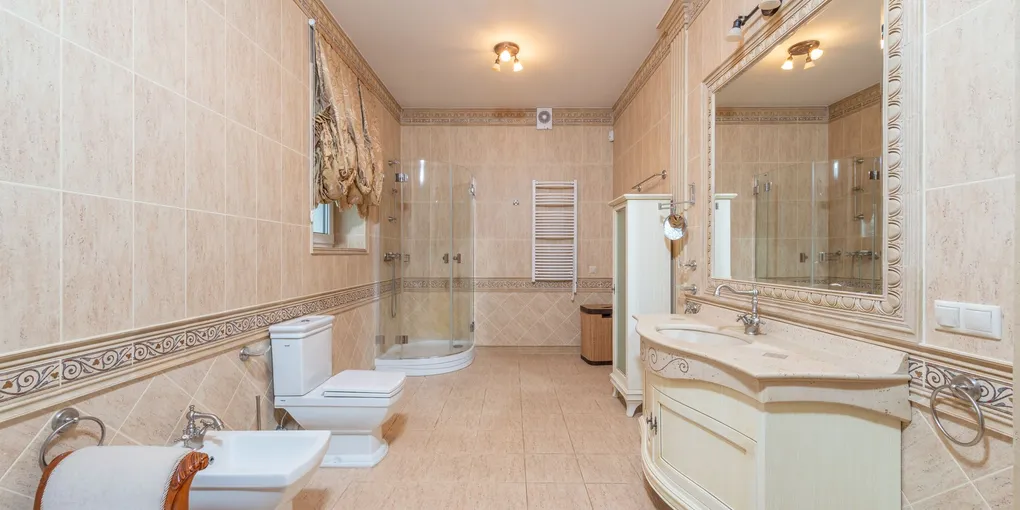
Cleaning mold in a shower: (1) Ventilate — open the window and run the exhaust fan. (2) Apply a diluted bleach solution (1 part bleach to 10 parts water) or RMR-86 directly to moldy grout, caulk, and tile. Let sit 10–15 minutes. (3) Scrub grout with a stiff brush and wipe tile with a cloth. (4) For mold embedded in caulk (black specks throughout the bead) — cleaning won't fix it. Remove and replace with mold-resistant silicone caulk. (5) Rinse thoroughly. (6) Prevent recurrence: run the exhaust fan 20 minutes after each shower, squeegee walls, and use a daily shower spray. Vinegar kills mold but won't remove staining; bleach or RMR-86 does both.
Frequently Asked Questions
Is black mold in a shower dangerous?
Surface mold on tile, grout, and caulk in a shower is almost always Cladosporium or Aspergillus — common household molds that cause allergy-like symptoms in sensitive individuals but are not the toxic Stachybotrys mold that warrants professional remediation. The visual appearance is not a reliable way to identify the species. If mold has spread beyond the tile surface to drywall, ceiling, or subflooring, or if anyone in the household has respiratory symptoms, have it professionally tested. Surface shower mold you can clean yourself.
What kills mold in shower grout?
A diluted bleach solution — one part household bleach to ten parts water — kills mold on grout effectively. Apply it, let it sit for 10 to 15 minutes, scrub with a stiff brush, and rinse. For heavy staining where bleach alone does not lift the discoloration, RMR-86 instant mold stain remover penetrates deeper and works faster. Spray it on, wait 15 to 30 seconds, and the staining visibly bleaches out. Always ventilate the bathroom and wear gloves when using bleach or RMR-86.
How do I remove mold from shower caulk?
If the mold is on the surface of intact caulk, spray a bleach solution, cover with plastic wrap to keep it wet, leave for several hours or overnight, then scrub and rinse. This works on light surface mold. If the mold is embedded inside the caulk — visible as black specks throughout the bead — the caulk is colonized and cleaning will not resolve it. Remove the caulk completely with a utility knife or caulk remover tool, clean the joint, and apply fresh mold-resistant silicone caulk.
Can I clean shower mold with vinegar instead of bleach?
White vinegar kills approximately 82 percent of mold species on non-porous surfaces. It is effective on tile and is safer to use without ventilation than bleach. The limitation is that vinegar does not remove staining — it kills the mold but leaves the dark discoloration behind. For grout, which is porous, vinegar is less effective than bleach because it does not penetrate deeply enough. Use bleach or a commercial mold stain remover when staining is the primary concern.
How do I prevent mold from coming back in my shower?
Mold needs moisture and time. The most effective prevention is reducing how long surfaces stay wet. Run the exhaust fan during every shower and for 20 to 30 minutes afterward. Squeegee the walls and door after each use. Leave the shower curtain spread open after use so it dries. Spray a mold-inhibiting daily shower spray on the walls — it raises the pH of the surface and makes it hostile to mold growth. Fix any grout or caulk cracks that allow water to penetrate behind the tile.
When should I recaulk instead of trying to clean moldy caulk?
Recaulk when the mold is embedded throughout the caulk bead rather than sitting on the surface, when the caulk is cracking or peeling away from the tile or tub, when the caulk has shrunk and pulled away from one surface leaving a gap, or when multiple cleaning attempts have not cleared the staining. Surface mold on solid, well-adhered caulk can be cleaned. Mold inside compromised caulk cannot be cleaned out — replacement is the only fix.
What is RMR-86 and is it better than bleach for shower mold?
RMR-86 is a concentrated hydrogen peroxide-based mold stain remover that removes deeply embedded staining from grout and caulk in 15-30 seconds — significantly faster and more effective than a standard bleach solution on months-old staining. It requires better ventilation and skin/eye protection than diluted household bleach. Use bleach for routine surface mold that has not penetrated deeply into grout. Use RMR-86 when staining has been present for months and has not lifted with repeated bleach applications, or when you want visible results in under a minute rather than a 15-minute dwell time.
How do I prevent shower mold from growing back after cleaning?
Mold returns when moisture returns. Address the moisture first: (1) Run the exhaust fan for 20+ minutes after every shower — not just during. (2) Squeegee tile walls and the door after every use — removing standing water eliminates the moisture mold needs. (3) Apply a penetrating silicone grout sealer annually — sealed grout is far less hospitable to mold spores. (4) Switch from bar soap to liquid body wash — bar soap leaves a residue film that feeds mold. (5) For chronic re-growth despite all of the above, the exhaust fan may be undersized — bathroom fans should be rated at minimum 1 CFM per square foot of floor area (50 CFM for a 50 sq ft bathroom). Replacing an underpowered fan is the most impactful single change.
Cleaning mold in a shower: (1) Ventilate — open the window and run the exhaust fan. (2) Apply a diluted bleach solution (1 part bleach to 10 parts water) or RMR-86 directly to moldy grout, caulk, and tile.
Shower mold falls into two categories: cosmetic mold on the surface of tile, grout, and caulk, and structural mold that has penetrated behind the tile into the backer board and framing. Surface mold is a cleaning job you do yourself in an afternoon. Structural mold — identified by soft or crumbling grout joints, water-damaged drywall, or mold on the ceiling above the shower — needs professional evaluation.
This guide covers surface mold removal from tile, grout, and caulk, and the ventilation fix that stops it from coming back.
Safety Before You Start
- Open a window or door and run the exhaust fan.
- Wear rubber gloves and eye protection when using bleach or commercial mold removers.
- Never mix bleach with ammonia-based cleaners or vinegar — the combination produces toxic chlorine gas.
- If the mold covers more than 10 square feet, or if you see mold on drywall, ceiling material, or subflooring, stop and call a mold remediation professional.
Mold on Tile
Tile is non-porous. Mold sits on the surface and is the easiest to remove.
What you need: Spray bottle, bleach, water, sponge or microfiber cloth.
- Mix one part bleach with ten parts water in a spray bottle.
- Spray the affected tile surfaces and let the solution sit for 10 minutes.
- Wipe with a sponge or cloth. The mold should lift immediately.
- Rinse with clean water and dry the area.
For soap scum mixed with mold, a Zep mold mildew stain cleaner or OxiClean bathroom mold spray works well and is slightly less harsh than straight bleach on grout.
Mold in Grout
Grout is porous. Mold penetrates below the surface, which is why surface cleaning often does not remove the staining even after the live mold is killed. The goal is to penetrate deep enough to lift both the mold and the discoloration.
Light grout mold:
- Apply a bleach solution (1:10 ratio) directly to the grout lines.
- Let it sit for 10-15 minutes without letting it dry.
- Scrub with a stiff grout cleaning brush — a toothbrush works for small areas but a dedicated grout brush covers more area faster.
- Rinse thoroughly and assess. Repeat if staining remains.
Heavy grout staining:
RMR-86 instant mold stain remover is significantly stronger than a bleach solution and is the professional choice for heavy staining. Spray it on the grout, watch the staining bleach out within 15-30 seconds, then rinse. It requires good ventilation and gloves. Do not let it sit longer than the label instructions — it is aggressive.
After cleaning grout: Let the grout dry completely (at least 24 hours), then apply a grout sealer. Sealed grout resists moisture absorption and is much harder for mold to colonize. This is the single most effective thing you can do for long-term grout mold prevention.
Mold in Caulk
Caulk is a silicone or latex bead that seals the joint between the tub and tile, between wall panels, and around the shower door frame. It is also the area most prone to mold because it stays moist longer and flexes with movement, eventually cracking.
When Cleaning Works
Surface mold on solid, intact caulk that has not penetrated through the bead can sometimes be removed:
- Spray a bleach solution on the affected caulk.
- Press plastic wrap over it to keep the solution in contact with the caulk rather than running off.
- Leave it for several hours or overnight.
- Remove the plastic wrap and scrub with an old toothbrush.
- Rinse and dry.
This works on light, surface-level discoloration where the mold has not penetrated the silicone.
When You Must Remove and Replace
Replace the caulk when:
- Black specks or discoloration are visible throughout the interior of the bead (mold inside the caulk, not on the surface)
- The caulk is cracking, flaking, or peeling away
- The caulk has pulled away from one surface leaving a visible gap
- Cleaning attempts have not removed the staining after 1-2 tries
How to remove and replace caulk:
- Score along both edges of the old caulk with a utility knife.
- Pull the bead off by hand. A caulk remover tool helps on stubborn areas.
- Clean the joint with rubbing alcohol and let it dry completely — at least 24 hours for a wet shower.
- Apply fresh mold-resistant silicone caulk in a continuous bead. Wet your finger and smooth the bead before it skins over.
- Do not use the shower for 24-48 hours while the caulk cures.
Use silicone caulk, not latex, for shower applications. Silicone is fully waterproof, more flexible, and far more mold-resistant. White mold-resistant silicone is sold specifically for bathrooms.
Ventilation: Fixing the Root Cause
Cleaning the mold without fixing the ventilation problem means cleaning it again in six months. Shower mold thrives because moisture sits on surfaces for hours after each use.
Check your exhaust fan. Hold a piece of toilet paper near the exhaust fan while it runs. If the paper is not pulled toward the fan, the fan is either clogged or undersized. Clean the fan grille by removing it and vacuuming the blade and housing. Most fans need cleaning every 1-2 years.
If the fan is too slow: Replace it. A 50 CFM bathroom exhaust fan replacement is adequate for a standard bathroom. Larger bathrooms benefit from 80-110 CFM. The existing wiring, switch, and duct opening make fan replacement a straightforward swap — usually 1 to 2 hours.
Fan use habit: Run the exhaust fan during every shower and for 20-30 minutes after. A timer switch that runs the fan automatically after you leave the bathroom is an inexpensive upgrade ($15-20) that eliminates the habit requirement entirely.
Squeegee the walls: A 10-second squeegee of the shower walls and door after each use removes most of the standing water before it can be absorbed by grout or accumulate on caulk. This single habit dramatically reduces mold growth rates.
Related Guides
- How to Clean a Shower
- How to Recaulk a Shower
- How to Clean Grout
- How to Install a Bathroom Exhaust Fan
- Mold on Tile
Tile is non-porous. Mold sits on the surface and is the easiest to remove.
- Mold in Grout
Grout is porous. Mold penetrates below the surface, which is why surface cleaning often does not remove the staining even after the live mold is killed. The goal is to penetrate deep enough to lift both the mold and the discoloration.
- Mold in Caulk
Caulk is a silicone or latex bead that seals the joint between the tub and tile, between wall panels, and around the shower door frame.
- Ventilation: Fixing the Root Cause
Cleaning the mold without fixing the ventilation problem means cleaning it again in six months. Shower mold thrives because moisture sits on surfaces for hours after each use.
Free: 10-Point Home Maintenance Checklist
Prevent costly repairs with this seasonal checklist. Save hundreds every year by catching problems early.
Your checklist is ready!
Open Checklist →Something went wrong. View the checklist here.