How to Clean a Coffee Maker (2026): Descale in 20 Minutes with Vinegar
If your coffee has tasted off lately, mineral scale on the heating element is almost always the cause. Fix it in 20 minutes: run 1:1 vinegar and water, wait 30 min, flush with 2 water cycles. Works for drip machines, Keurigs, and espresso machines.
Clean a coffee maker every 1-3 months by descaling with a mixture of 1:1 white vinegar and water, or a dedicated descaler solution. Fill the reservoir, run one full brew cycle, let the machine sit for 15-30 minutes, then run 2-3 plain water cycles to flush vinegar taste. For Keurig and pod machines, use the manufacturer's descaling solution or citric acid — vinegar CAN damage some pod machines. Wash the carafe, lid, and basket daily with hot soapy water. Replace water filters every 60 days. Most 'my coffee tastes bad lately' complaints are mineral scale on the heating element — descaling fixes it in 20 minutes.
Frequently Asked Questions
How often should I clean my coffee maker?
Rinse the carafe and brew basket after every brew. Wash them with hot soapy water daily. Descale the whole machine every 1-3 months — monthly if you have hard water, every 3 months with soft water. Deep clean the reservoir (wipe inside with vinegar solution) monthly to prevent biofilm. Replace water filters (if your machine has one) every 60 days or 60 brews.
Can I use vinegar to clean a Keurig?
Check the manual. Some Keurig models specifically warn against vinegar (it can damage internal rubber seals over time). Most Keurigs work fine with vinegar but Keurig's own recommendation is their branded descaling solution or citric acid. If your Keurig warranty is still active, stick with the manufacturer's product. Out of warranty? Vinegar works but flush with 3-4 water cycles afterward to remove all acid residue.
What does descaling actually do?
Descaling removes mineral scale (calcium and magnesium deposits) that builds up on the heating element and inside the water lines. Over time, scale insulates the heating element so water doesn't reach proper brew temperature (180-200°F), resulting in weak, cool, or bitter coffee. Scale also restricts water flow, causing slow brewing or incomplete brewing. Vinegar, citric acid, and commercial descalers all dissolve calcium carbonate (the main component of scale) through acid reaction.
Why does my coffee taste bad all of a sudden?
Four likely causes in order: (1) mineral scale on heating element — descale. (2) Stale coffee beans or grounds — use beans within 4 weeks of roast date. (3) Old coffee oils coating the carafe and basket — wash with hot soapy water, use dish detergent not just water. (4) Dirty water reservoir growing biofilm — empty, wipe with vinegar solution, rinse. Try descaling first; it fixes 70% of 'coffee tastes bad' complaints.
How do I clean the inside of the water reservoir?
Empty the reservoir. Wipe the interior with a microfiber cloth dampened with 1:1 vinegar-water solution. For hard-to-reach corners, use an old toothbrush. Rinse thoroughly with clean water. For drip coffee makers with permanent reservoirs, fill and run a vinegar cycle. Do this monthly to prevent mold and biofilm — the warm moist environment inside the reservoir is perfect for growth.
How do I know when my coffee maker needs descaling?
Signs your machine is overdue for descaling: brewing takes noticeably longer than it used to; the machine runs a full heat cycle but produces a shorter-than-full carafe; coffee comes out cooler than normal (scale insulates the heating element, reducing water temperature at brew); taste is bitter, flat, or metallic despite using fresh beans; the machine struggles or sputters mid-cycle. Most modern drip machines and Keurigs have a descale indicator light or message — when it appears, don't ignore it. If your machine has no indicator, schedule descaling every month in hard-water areas and every 3 months with soft water or filtered tap water.
What is the difference between descaling and cleaning a coffee maker?
They address different problems. Cleaning removes coffee oils, old grounds, and biofilm (the slick film that forms in warm, wet environments) from the carafe, brew basket, and reservoir — these affect flavor and hygiene. Descaling removes mineral scale (calcium and magnesium deposits) from the heating element and internal water lines — scale reduces temperature, slows flow, and makes coffee taste weak or bitter. A machine needs both types of maintenance separately: cleaning daily/weekly, descaling every 1-3 months. A clean machine can still make poor coffee if it's heavily scaled. A descaled machine can still make poor coffee if the carafe and basket are coated with rancid coffee oils.
Clean a coffee maker every 1-3 months by descaling with a mixture of 1:1 white vinegar and water, or a dedicated descaler solution. Fill the reservoir, run one full brew cycle, let the machine sit for 15-30 minutes, then run 2-3 plain water cycles to flush vinegar taste.
A coffee maker that’s never been descaled quietly makes worse coffee every week. Mineral scale coats the heating element, water doesn’t reach proper brew temp (180-200°F), brew cycles run slow, and coffee comes out cooler and weaker than it should. 70% of “my coffee tastes bad lately” complaints fix with a 20-minute descale. This guide covers descaling drip makers, Keurigs, and espresso machines, plus the daily habits that prevent issues in the first place.
Tools and Supplies
- Distilled white vinegar — cheapest option, works for most drip machines
- Dedicated descaling solution — safer for Keurig/Nespresso/premium machines
- Keurig descaling solution — manufacturer brand, best for in-warranty Keurigs
- Citric acid — DIY alternative to vinegar, no lingering smell
- Bottle brush for carafes
- Microfiber cloth pack
- Charcoal water filter replacements (model-specific)
Drip Coffee Maker (Mr. Coffee, Cuisinart, Bonavita, etc.)
Daily
- Dump used grounds
- Rinse carafe and brew basket with hot water
- Wipe the warming plate
Weekly
- Wash carafe and brew basket with dish soap
- Wipe the exterior and control panel
- Check the water reservoir for any discoloration
Monthly (descale)
- Fill the reservoir with 1:1 white vinegar and water
- Place empty carafe in position
- Run one full brew cycle
- When done, turn off, let vinegar sit in machine for 15-30 minutes
- Empty carafe
- Run 2-3 cycles with plain cold water to flush vinegar
- Brew and discard one cup of coffee before drinking fresh
For hard water areas (10+ gpg hardness), descale every 3-4 weeks instead of monthly. Symptoms of needed descaling: slower brew time, weaker coffee, visible scale in reservoir.
Keurig and Pod Coffee Makers
Keurig officially recommends their branded descaling solution or citric acid. Vinegar works but can damage some internal seals over repeated use — if the machine is under warranty, use the manufacturer’s product to keep warranty valid.
Daily
- Empty drip tray (the flat pan under the brew dispenser)
- Remove used pod immediately
- Wipe the area around the pod holder with a damp cloth
Every 2-3 months (descale)
- Empty the reservoir
- Fill with Keurig descaling solution (or 1:1 vinegar-water if out of warranty)
- Place a mug under the dispenser
- Run a large cup cycle WITHOUT a pod
- Pour the output into the sink
- Repeat until the reservoir is empty
- Let the machine sit 30 minutes
- Refill with plain water
- Run 3-4 plain water cycles to flush
- Replace water filter
The Needle Clean
Keurig has two “needles” that puncture the pod — one for water entry, one for coffee exit. Coffee grounds clog these over time. The Keurig cleaning tool ($5-$10) or a paperclip cleared gently through the holes restores full flow. Do monthly for heavy users.
Nespresso
Nespresso machines need descaling every 300 capsules or 3 months, whichever comes first. Use Nespresso descaling solution — the machine has a specific descaling mode that requires manufacturer solution for proper function.
- Empty the capsule container and drip tray
- Fill reservoir with Nespresso descaler + 17 oz water (or per manual)
- Enter descaling mode (usually hold buttons for 3 seconds)
- Let it cycle
- Refill reservoir with fresh water
- Run rinse cycle
- Exit descaling mode
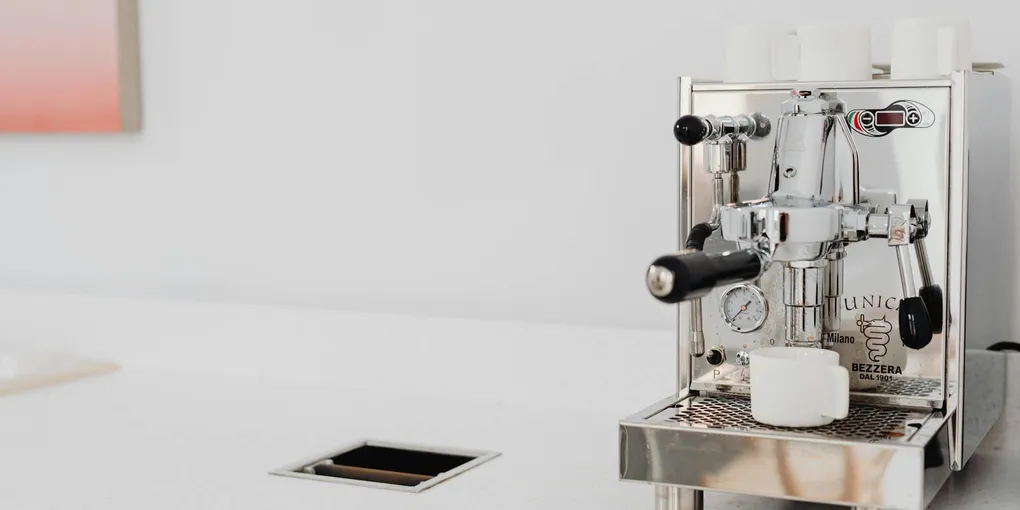
Espresso Machines (Breville, Rancilio, etc.)
Espresso machines need 3 separate cleaning tasks:
Daily:
- Backflush the group head (a cleaning cycle without coffee using a blank filter basket)
- Wipe steam wand with a wet cloth
- Empty and rinse drip tray and grounds container
Weekly:
- Full backflush with espresso cleaner tablet or powder
- Remove shower screen from the group head, soak in cleaner, scrub, reinstall
- Clean portafilter basket with a brush
Monthly (descale):
- Machine-specific descaler (check manual)
- Run through the heating/brewing circuit
- Flush thoroughly
Espresso machines are finicky — always follow the manufacturer’s specific instructions.
Common Problems and Fixes
”My coffee tastes bad lately”
Fix in order:
- Descale — mineral scale on heating element is #1 cause (70% of complaints)
- Clean the carafe and basket with soap — old coffee oils affect every new brew
- Use fresh beans — roasted within 4 weeks, ground within 1 week
- Check water quality — chlorinated tap water changes taste; use filtered water
- Clean the reservoir interior — biofilm in the reservoir affects taste
- Replace the water filter — old filters don’t filter and can grow bacteria
”Brew cycle runs slow”
- Heavy scale restricting water flow
- Needle clogged (Keurig)
- Water filter clogged — replace
”Coffee is cold”
- Scale insulating the heating element — descale thoroughly
- Warming plate failing (older drip machines) — usually economical to replace machine
- Keurig: ambient water temp too low; clean thoroughly first
”Strange smell from machine”
- Biofilm in reservoir — wipe with vinegar solution
- Old coffee oils in brew path — run a cleaning cycle
- Mold — deep clean with vinegar + hot water flush; if persists, often easier to replace
Hard Water: The Hidden Killer
If you have hard water (10+ grains per gallon), your coffee maker’s life is roughly cut in half. Scale builds 2-3x faster than soft water, descaling needs to be more frequent, and the heating element eventually burns out.
Fixes:
- Use filtered or distilled water in the reservoir
- Descale more often (every 2-4 weeks)
- Consider a whole-house water softener — see our water softener cost guide
When to Replace
Most coffee makers last 5-10 years. Replace if:
- Descaling doesn’t restore brew performance
- Heating element failed (no heat)
- Reservoir cracked (leaks)
- Pod mechanism broken (Keurig)
- Taste persists despite cleaning
Basic drip maker: $30-$100. Keurig: $100-$200. Premium drip: $200-$400. Espresso: $400-$2,000+.
Related Reading
- How to Clean a Microwave — the other 5-minute kitchen cleaning task
- How to Clean a Dishwasher — similar descaling logic for hard water
- How to Install a Water Softener — hard water kills coffee makers early
- Water Softener Cost — budget for softening if you have 10+ gpg hardness
- How Long Do Home Appliances Last — replacement timing
- Annual Home Maintenance Schedule — where kitchen maintenance fits
- Empty and rinse daily
After each brew, dump used grounds, rinse the carafe and brew basket with hot water. Takes 30 seconds. Most coffee taste problems come from old coffee oils accumulating in the basket and carafe — fresh rinsing prevents this. Once a day, wash with dish soap, not just water.
- Descale every 1-3 months
Fill the reservoir with 1:1 vinegar and water (or a dedicated descaler solution). Run one full brew cycle. When it finishes, turn off the machine and let the hot vinegar sit in the lines for 15-30 minutes. Then run 2-3 full cycles with plain water to flush out vinegar taste. You'll still taste a hint on the first fresh brew — brew a throwaway cup if needed.
- Use descaler for pod machines (Keurig, Nespresso, etc.)
Check your machine's manual — some warn against vinegar. The manufacturer's branded descaler or a citric acid solution (1 tablespoon citric acid in 4 cups water) is safer. Process is the same: fill reservoir, run full cycle(s), let sit, flush with plain water 3 times.
- Wipe the reservoir monthly
Remove the reservoir (if removable), dump any water, wipe the interior with a microfiber cloth dampened in 1:1 vinegar-water. Use an old toothbrush for corners. Rinse thoroughly. This prevents the pink/black biofilm that grows in the warm moist environment. If the reservoir isn't removable, fill with vinegar solution, let sit 15 minutes, then run a cycle to flush.
- Clean the brew basket and carafe
Daily: hot water rinse after each use. Weekly: full wash with dish soap. The brew basket accumulates coffee oils (brown/black staining) that turns new brews bitter. Use a brush for the mesh filter or filter basket crevices. For glass carafes, a [dish brush with a bottle handle](https://www.amazon.com/s?k=bottle+brush+coffee+carafe&tag=fixupfirst-20) gets into corners.
- Replace water filter (if applicable)
Many drip machines and most Keurigs have a replaceable water filter. Replace every 60 days or 60 brews. Old filters reduce water flow, stop filtering chemicals, and can grow bacteria. Charcoal filters run $5-$15 for a 6-pack. Skip the filter entirely if your water is already filtered at the tap — using the filter compartment as empty space is fine.
- Address mineral buildup aggressively if neglected
If you haven't descaled in 6+ months, a single descale cycle often won't fully clean the machine. Run 2-3 consecutive descaling cycles, letting each sit 30 minutes. For severe buildup, use a commercial descaler like [Urnex Cleancaf](https://www.amazon.com/s?k=urnex+cleancaf&tag=fixupfirst-20) or [Impresa descaler](https://www.amazon.com/s?k=impresa+descaling+solution&tag=fixupfirst-20) — stronger than vinegar and safe for most machines.
Free: 10-Point Home Maintenance Checklist
Prevent costly repairs with this seasonal checklist. Save hundreds every year by catching problems early.
Your checklist is ready!
Open Checklist →Something went wrong. View the checklist here.