Attic Insulation Cost 2026: $1,500–$4,500 Professionally Installed
Attic insulation: $1,500–$3,500 blown-in professionally installed. IRA 25C tax credit: 30% back, up to $1,200. DIY: $300–$600. R-49 for northern climates, R-38 for southern. Blown-in vs. spray foam compared.
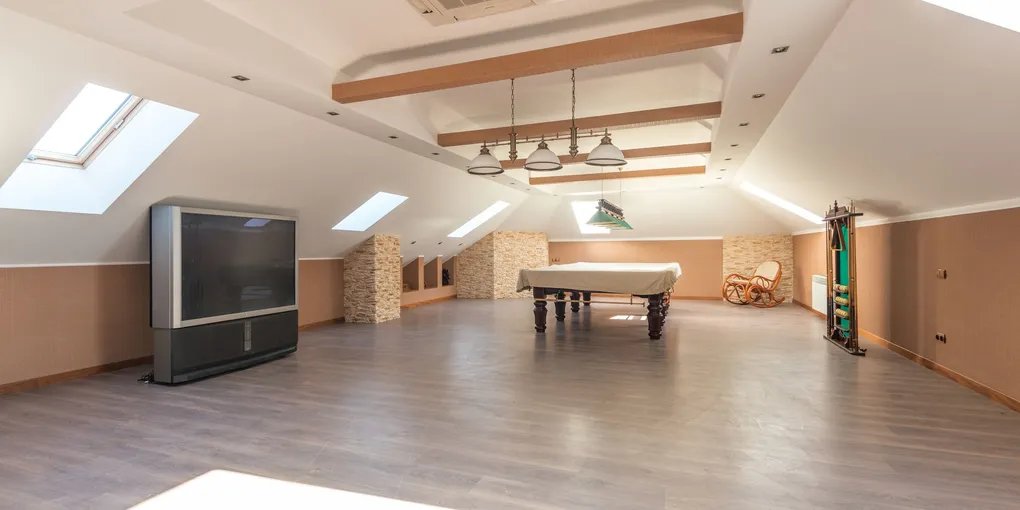
Attic insulation costs $1,500–$4,500 for a 1,000 sq ft attic professionally insulated to R-38 (the most common target). Blown-in fiberglass or cellulose costs $1.50–$3.00 per sq ft installed. Spray foam (closed-cell) costs $3–$7 per sq ft. Insulation added or replaced in an attic qualifies for the 25C federal tax credit — up to $1,200 credit on qualifying insulation improvements.
Frequently Asked Questions
How much does attic insulation cost?
Attic insulation pricing per square foot installed: blown-in fiberglass $1.50–$2.50/sq ft; blown-in cellulose $1.25–$2.25/sq ft; fiberglass batts $1.00–$2.00/sq ft; open-cell spray foam $1.50–$3.00/sq ft; closed-cell spray foam $3.00–$7.00/sq ft. For a typical 1,000 sq ft attic floor: blown-in to R-38 costs $1,500–$2,500; spray foam on the attic deck (not floor) costs $3,000–$7,000. Total project costs including removal of old insufficient insulation add $500–$1,500. Tax credit: 30% of material cost up to $1,200 under IRS 25C (through 2032).
What R-value does my attic need?
Target R-values by US climate zone: Zone 1–2 (South Florida, Hawaii) R-38; Zone 3 (Southeast, Southwest) R-38; Zone 4 (mid-Atlantic, Pacific Northwest) R-49; Zone 5 (Midwest, Northern Rockies, New England) R-49–R-60; Zone 6–8 (Minnesota, Montana, Alaska) R-60. Most homes built before 2000 have R-11 to R-19 insulation — well below recommended values. Adding R-20 to R-40 of blown-in over existing insufficient insulation is the most cost-effective attic upgrade available. DOE says properly insulating the attic can reduce heating and cooling costs by 10–50% depending on existing conditions.
Should I use blown-in or fiberglass batt insulation for my attic?
Blown-in (loose fill) insulation is the standard choice for existing attics because it fills irregularly shaped joist bays, covers existing obstructions (pipes, wires), and is faster to install. Fiberglass batts are best for new construction or complete gut situations. Cellulose blown-in is made from recycled paper and has slightly better R-value per inch (R-3.2–3.8 vs R-2.2–2.7 for fiberglass loose fill); it also performs better at stopping air movement. Fiberglass blown-in is lighter and won't compress over time. Both are good choices — the main practical difference is that cellulose can absorb moisture if there's an attic leak, while fiberglass is more moisture-resistant.
Is attic insulation a DIY project?
Attic insulation can be DIY with blown-in equipment if you can access the attic and tolerate working conditions (hot, dusty, cramped). Home centers (Home Depot, Lowe's) rent blown-in machines free with purchase of 10+ bags. The main DIY challenges: (1) sealing air bypasses before blowing — unsealed penetrations (wire holes, plumbing stacks, recessed lights) allow warm air to bypass any insulation layer; (2) maintaining proper rafter ventilation channels (baffles) so soffit-to-ridge airflow isn't blocked; (3) achieving consistent depth. Spray foam requires professional equipment and should not be DIY for attic applications. Professional installation comes with depth and R-value guarantees.
What is the payback period for attic insulation?
Attic insulation payback is typically 3–7 years. A $2,000 attic re-insulation project saving $300–$500/year in HVAC costs pays back in 4–7 years — then delivers free savings for the 20–30 year life of the insulation. Homes with very poor existing insulation (under R-11) see faster payback; homes already at R-30 see slower payback from incremental improvement. Utility rebates (many utilities offer $0.10–$0.30 per sq ft for insulation upgrades) reduce payback time. The IRS 25C tax credit (up to $1,200, through 2032) additionally reduces payback. Combined with the utility rebate and tax credit, some homeowners recover 40–60% of project cost in year one.
Does attic insulation affect resale value?
Attic insulation consistently yields 100–117% ROI at resale according to Remodeling Magazine's annual Cost vs. Value report — one of the few home improvements that reliably returns more than it costs. Buyers increasingly ask about energy efficiency, and an HVAC energy audit showing R-49+ attic insulation is a selling point. Additionally, a properly insulated attic means the HVAC system runs less — which translates to newer, less-worn mechanical equipment at time of sale. Utility bills provided by sellers showing below-average consumption also signal good insulation to buyers. This is one of the few improvements where both practical benefit and financial return are strong.
Attic insulation costs $1,500–$3,500 installed for a typical 1,000 sq ft attic in 2026 — blown-in cellulose or fiberglass runs $1–$1.50 per sq ft, batts run $0.50–$1.00 per sq ft. Bringing under-insulated attics to R-49 (recommended for most of the US) typically cuts heating and cooling bills 15–25%. Federal 30% tax credit applies to attic insulation through 2032 (up to $1,200/year).
Attic insulation is the highest-return home improvement for energy efficiency. Most homes built before 2000 are significantly under-insulated — adding blown-in insulation to bring the attic floor to R-49 or higher typically reduces heating and cooling costs 10–30% and pays back in 3–7 years, then continues saving money for 20–30 years.
Cost by Insulation Type
| Type | R-Value per Inch | Cost per Sq Ft | Best For |
|---|---|---|---|
| Blown-in fiberglass | 2.2–2.7 | $1.50–$2.50 | Adding over existing insulation |
| Blown-in cellulose | 3.2–3.8 | $1.25–$2.25 | Air-sealing performance, recycled content |
| Fiberglass batts | 3.1–3.8 | $1.00–$2.00 | New construction or full gut |
| Open-cell spray foam | 3.5–3.8 | $1.50–$3.00 | Sealing air leaks + insulating together |
| Closed-cell spray foam | 6.0–7.0 | $3.00–$7.00 | High R-value in limited space, vapor barrier |
R-Value Target by Climate Zone
| Climate Zone | States | Target R-Value |
|---|---|---|
| Zone 1–2 | FL, HI, south TX | R-30–R-38 |
| Zone 3 | GA, AL, TN, AZ, NM | R-38–R-49 |
| Zone 4 | VA, NC, OR, WA | R-49 |
| Zone 5 | OH, IN, IL, CO, PA | R-49–R-60 |
| Zone 6–7 | MN, WI, ND, MT, WY | R-60 |
Cost by Project Size (Professionally Installed)
| Attic Size | Blown-In to R-38 | Blown-In to R-49 | Spray Foam (attic deck) |
|---|---|---|---|
| 500 sq ft | $750–$1,500 | $900–$1,800 | $1,500–$3,500 |
| 1,000 sq ft | $1,500–$2,500 | $1,800–$3,000 | $3,000–$7,000 |
| 1,500 sq ft | $2,000–$3,500 | $2,500–$4,500 | $4,500–$10,500 |
| 2,000 sq ft | $3,000–$5,000 | $3,500–$6,000 | $6,000–$14,000 |
Key note on spray foam location: blown-in insulation goes on the attic floor (between joists, above living space). Spray foam for attic applications typically goes on the attic deck (underside of roof sheathing), creating an unvented conditioned attic. These are different products for different situations — most homeowners use blown-in on the attic floor for the most cost-effective thermal upgrade.
Labor vs. Materials Cost Breakdown
| Component | % of Total | Range |
|---|---|---|
| Insulation material | 50–60% | $0.75–$1.50/sq ft |
| Labor | 30–40% | $0.50–$1.25/sq ft |
| Air sealing (if included) | 10–15% | $200–$600 add-on |
| Equipment (blower rental) | Included in labor | — |
| Waste disposal (old insulation removal) | Varies | $300–$800 to remove |
Why air sealing matters: sealing air bypasses (recessed light can holes, plumbing penetrations, top plate gaps at interior walls) before adding insulation can increase energy performance by 30–50% compared to adding insulation alone. Most professional insulation companies include basic air sealing — ask explicitly.
DIY Attic Insulation Cost
| Component | Cost |
|---|---|
| Blown-in fiberglass insulation (bags, enough for 1,000 sq ft at R-38) | $300–$500 |
| Blower rental | Free with 10+ bags at Home Depot / Lowe’s |
| Ventilation baffles | $25–$50 (20–30 baffles at $1–$2 each) |
| Spray foam (for air sealing bypasses) | $30–$75 |
| Depth markers (ruler sticks) | $10–$15 |
| Respirator, safety glasses, coveralls | $30–$60 |
| Total DIY for 1,000 sq ft at R-38 | $400–$700 |
DIY vs. professional savings: $800–$1,800 for a 1,000 sq ft attic. The savings are real, but the quality depends on air sealing thoroughness (most DIYers skip this or do it poorly) and achieving consistent depth. If the attic has significant existing insulation that’s wet or moldy, or is hard to access (low pitch, lots of obstructions), professional installation is the better call.
DIY realistic time: 4–8 hours for a 1,000 sq ft attic including setup, air sealing, blowing, and cleanup.
Signs Your Attic Needs More Insulation
If you’re not sure whether your attic is adequately insulated, these are the common indicators:
- High energy bills compared to similar homes in your area — HVAC is working harder to compensate for heat loss/gain through an under-insulated attic
- Uneven room temperatures — upper-floor rooms much hotter in summer or colder in winter than lower floors
- Ice dams in winter — warm air escaping through under-insulated attic heats the roof, melts snow, and refreezes at the eaves, causing dam/water damage
- Attic depth under 6 inches — 6 inches of blown-in fiberglass is only about R-13, well below the R-38–R-49 most climate zones need
- Visible existing batts or blown-in that has settled, compressed, or gotten wet — wet insulation loses R-value and can harbor mold
- Age: built before 1980 — homes from this era typically have R-11 or less in the attic
Federal Tax Credit (25C)
Attic insulation installed in 2023–2032 qualifies for the Energy Efficient Home Improvement Credit:
- Credit amount: 30% of material cost
- Annual cap: $1,200 for insulation
- Requirement: Manufacturer Certification Statement from insulation supplier (get this from your contractor or the store where you bought the insulation)
- Who qualifies: Primary residence, existing home (not new construction)
Many utility companies also offer rebates of $0.10–$0.30 per sq ft for insulation upgrades. Check your utility’s website or call them before starting. Combined with the 25C credit, some homeowners recover 40–60% of project cost.
Hiring an Attic Insulation Contractor
Most insulation jobs are done by insulation specialty contractors or general HVAC/energy contractors. When getting quotes:
- Ask what R-value they’ll achieve and how many inches — the quote should specify final achieved R-value, not just product type
- Ask if air sealing is included — many quotes don’t include it; it should be
- Ask if old insufficient insulation will be removed or covered — covering is acceptable if the existing material is dry and undamaged; removal is required if wet or contaminated
- Ask for a Manufacturer Certification Statement for the 25C tax credit — without this document, you can’t claim the credit
- Get 3 quotes for projects over $2,000 — insulation is competitive; quotes can vary 25–40% for identical scope
Red flag: contractors who suggest spray foam for attic floor application (instead of blown-in) without explaining why — attic floor spray foam is unusual and expensive; blown-in is almost always better for the floor.
Regional Attic Insulation Cost Variations
Insulation labor rates and material costs vary by region:
| Region | Blown-In (1,000 sq ft, R-38) | Spray Foam (1,000 sq ft) | Batt (1,000 sq ft, R-38) |
|---|---|---|---|
| Northeast (NY, MA, NJ) | $1,800–$3,200 | $3,500–$7,000 | $1,400–$2,800 |
| Mid-Atlantic (DC, MD, VA) | $1,600–$2,900 | $3,200–$6,500 | $1,300–$2,600 |
| Southeast (FL, GA, TX) | $1,200–$2,400 | $2,500–$5,500 | $1,000–$2,200 |
| Midwest | $1,300–$2,600 | $2,700–$5,800 | $1,100–$2,300 |
| Pacific (CA, WA, OR) | $1,700–$3,000 | $3,300–$6,800 | $1,350–$2,700 |
Prices include material and installation to bring attic to local code-recommended R-value (R-38 to R-60 depending on climate zone). Air sealing prior to insulation installation adds $500–$1,500 but significantly improves effectiveness.
Attic Insulation Type Comparison
| Type | R-Value per Inch | Installed Cost/sq ft | Best For | Notes |
|---|---|---|---|---|
| Blown-in cellulose | R-3.2–3.8 | $1.50–$3/sq ft | Best value for attic floor; highest recycled content | Settles slightly over time; excellent air-sealing properties |
| Blown-in fiberglass | R-2.2–2.7 | $1.20–$2.50/sq ft | Budget-friendly; common in warm climates | Lower R-value per inch than cellulose; needs more depth |
| Fiberglass batt | R-3.1 (R-13 per 4”) | $0.90–$2/sq ft | DIY-accessible; between joists | Air gaps reduce effectiveness; requires careful installation |
| Open-cell spray foam | R-3.5 | $1.50–$3/sq ft | Roof deck application (encapsulated attic) | Not appropriate for attic floor; use for roof deck only |
| Closed-cell spray foam | R-6.5–7 | $3–$6/sq ft | Roof deck; highest R-value per inch | Best for cathedral ceilings; expensive; encapsulated attic only |
| Rigid foam (polyiso/XPS) | R-5.5–6.5 | $2–$4/sq ft | Supplement existing; over-roof applications | Good for knee walls; often combined with blown-in |
Blown-in cellulose on the attic floor is the best combination of performance, cost, and sustainability for most homes. Spray foam at the roof deck (converting to an encapsulated attic) is the premium option that also conditions the attic space — appropriate for homes with HVAC equipment in the attic.
Questions to Ask Your Insulation Contractor
- What R-value will this installation achieve, and how does that compare to the DOE recommended R-value for my climate zone? — the DOE recommends R-38 to R-60 depending on climate zone; ask what R-value the existing insulation provides and what R-value the new installation will achieve — a quote that just says “we’ll add insulation” without specifying the final R-value may be undershooting your climate’s requirement
- Will you perform air sealing before installing blown-in insulation? — blown-in insulation over unsealed attic bypasses (top plates, plumbing penetrations, recessed light cans, attic hatch) loses 30–50% of its effectiveness; air sealing with canned foam and caulk before insulation installation adds $500–$1,500 but delivers the actual energy savings; ask whether air sealing is included or separate
- Is the existing insulation in good condition, or does any need to be removed first? — wet, rodent-contaminated, or compressed insulation should be removed before new installation; blown-in over damaged existing insulation doesn’t perform to rated R-value; ask whether the existing material was inspected and whether removal is recommended, and get the removal cost itemized separately if applicable
- Do you provide a Manufacturer Certification Statement for the federal energy efficiency tax credit? — the federal 25C tax credit provides 30% of insulation installation costs (up to $1,200); to claim it, you need a written Manufacturer Certification Statement confirming the product meets ENERGY STAR requirements; ask whether this documentation is provided with the project
- What is the installed depth at completion, and how do you verify R-value achievement? — blown-in insulation R-value is determined by depth; contractors should place depth markers (ruler sticks) in the attic so you can verify the final installed depth; ask how many markers will be installed and what depth corresponds to the quoted R-value, then spot-check a few before final payment
DIY supplies (if you tackle it yourself)
- Batt insulation R-30 (rolls)
- Blown-in insulation (bag)
- Attic air sealing foam
- Vapor barrier plastic sheeting
Related Reading
- Spray Foam Insulation Cost
- Crawl Space Encapsulation Cost
- HVAC Maintenance Checklist
- Annual Home Maintenance Schedule
- Attic Insulation Cost Guide — detailed cost breakdown with R-value comparisons and contractor hiring tips
- Measure current insulation depth before deciding on approach
Stick a ruler into the attic insulation at multiple points (center bay and near eaves) to measure current depth. Fiberglass batts: visible thickness × R-value per inch of the batt type. Blown-in fiberglass: depth in inches × 2.2 = approximate R-value. Blown-in cellulose: depth × 3.2 = approximate R-value. Most homes built before 1980 have R-11 or less; homes built 1980–2000 have R-19 to R-30; homes built after 2000 may meet code minimums. A depth of 3 inches in a cold-climate home means adding 14+ inches of blown-in to reach R-49. Having this measurement ready before calling contractors allows accurate phone quotes.
- Seal air bypasses before adding insulation — sealing does more than insulating
Air sealing (caulk + spray foam applied to penetrations, gaps, and bypasses before insulating) is more impactful than the insulation itself in most older homes. Common attic air bypasses: recessed light fixtures (unsealed IC-rated or non-IC cans are major heat exchangers), top plates of interior walls (large continuous gaps run the full length of every interior wall), plumbing and electrical penetrations, pull-down stair frames (a huge bypass — consider an insulated cover box), and attic hatch. Sealing these before blowing adds $200–$600 to the project but can double the energy performance of the insulation layer above. Many energy auditors will do air sealing + insulation as a combined service.
- Maintain baffles (ventilation channels) at eaves before blowing
Insulation must not block soffit vents — blocking them causes moisture buildup, ice dams, and attic rot. Before blowing, install cardboard or foam ventilation baffles (sometimes called rafter bays or chutes) at every rafter bay where it meets the exterior wall. Baffles create a protected air channel from the soffit vent up to the ridge, keeping that path clear regardless of insulation depth. Standard baffles cost $0.50–$1.50 each at home centers. A 40-foot-wide house has approximately 20–30 rafter bays per side. Missing baffles cause insulation to fall into soffit areas and block ventilation — a common professional installation omission to check for.
- Get quotes specifying R-value guarantee and removal of old insufficient insulation
Professional insulation quotes should specify: the target R-value and how many inches of blown-in this requires; whether old insufficient insulation will be removed (often it's simply covered — acceptable if it's dry and undamaged); air sealing scope (ask if bypasses will be sealed before blowing — this should be standard but often isn't); and warranty on R-value depth (most professionals guarantee achieved depth at installation). Tax credit documentation: ask the contractor for a Manufacturer Certification Statement — required for 25C credit claim. This is a document certifying the product meets energy efficiency criteria. Without it, the credit cannot be claimed at tax filing.
- Consider the attic hatch as part of the insulation project
The attic hatch (pull-down stairs or ceiling access panel) is typically the worst-insulated element in the attic envelope — a wood frame panel with no insulation sitting in a hole in your ceiling. An uninsulated hatch in an R-49 attic is like having a single-pane window in an otherwise well-insulated wall. Solutions: rigid foam attic hatch cover ($60–$150 DIY) installed over the hatch from above — sits over the opening and seals the edges; pull-down stair insulation tent ($80–$200) for fold-down attic stairs. Either option dramatically reduces the thermal loss from this common weak point. Most insulation contractors charge $75–$150 to install a hatch cover as part of an attic insulation job.
Free: 10-Point Home Maintenance Checklist
Prevent costly repairs with this seasonal checklist. Save hundreds every year by catching problems early.
Your checklist is ready!
Open Checklist →Something went wrong. View the checklist here.