When to Use Primer Before Painting: The Rules for Drywall, Stains, and Color Changes (2026)
Primer is not always necessary — but skipping it in the wrong situation costs more time and paint. This guide covers when primer is required, when it can be skipped, and which primer to use for drywall, stains, bare wood, and color changes.
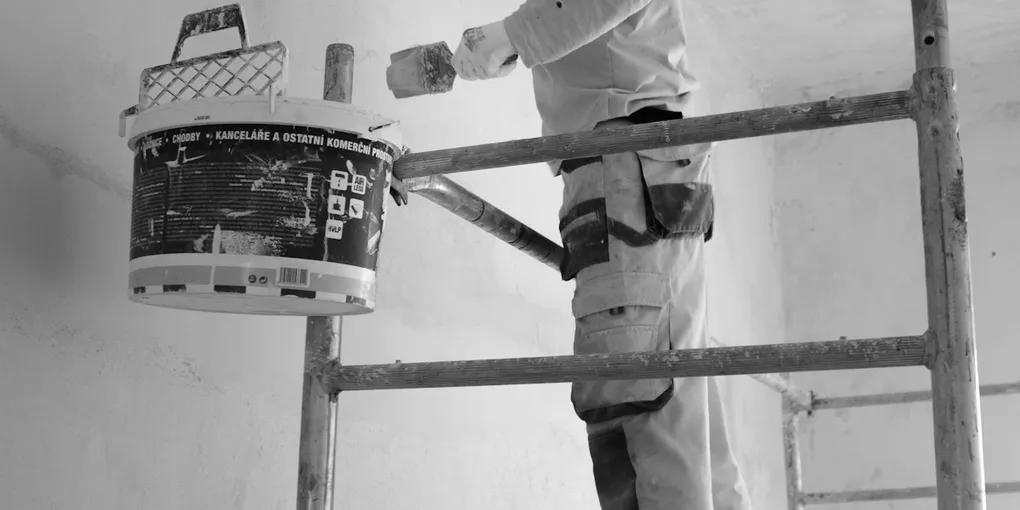
When to use primer: (1) New drywall — always prime with PVA drywall primer. New drywall is highly porous and absorbs paint unevenly, creating flat spots (flashing). (2) Stains (water, smoke, grease) — use a stain-blocking primer (Zinsser BIN shellac-based or Zinsser Bulls Eye 1-2-3). Regular paint films over stains but they bleed through. (3) Drastic color change (dark to light, or light to dark) — primer in the new color reduces the number of finish coats needed. (4) Skip primer: when repainting the same color in good condition over previously painted wall in good condition.
Frequently Asked Questions
Do I need to prime before painting walls?
Primer requirement on walls: (1) Previously painted walls in good condition: no primer needed if you are painting the same color or similar color and the existing paint is adhering well. Clean the walls, patch holes, and paint. (2) New drywall (new construction or a large drywall repair): always prime. New drywall compound and the paper face of drywall are both highly absorbent. Without primer, the first coat soaks in unevenly — the compound areas look flat and the paper areas are slightly shiny. This is called 'flashing' and is visible under raking light even after 2 coats of paint. Use PVA drywall primer (Glidden PVA Drywall Primer, Sherwin-Williams PrepRite) before the first coat. (3) Previously painted walls with peeling or alligatoring paint: prime after removing the loose paint. The primer consolidates the surface and gives the new coat something to grip. (4) Bare plaster: prime with a latex primer or PVA primer before painting. The plaster surface is alkaline and can cause adhesion failures with some paints without primer.
Which primer do I use for stains?
Stain-blocking primer selection: (1) Water stains (from ceiling leaks or water damage): use oil-based or shellac-based primer (Zinsser BIN shellac-based, Zinsser Bulls Eye 1-2-3, Kilz Original oil-based). Water stains contain iron oxide and other compounds that bleed through latex paint films regardless of how many coats you apply. Shellac-based primer seals them in one coat. (2) Smoke and soot: shellac-based primer (Zinsser BIN) is the most effective — it seals smoke odor and color. Nothing else works as reliably. (3) Grease stains (kitchen walls, above stove): Kilz Original oil-based or Zinsser BIN. (4) Pet stains and odor: Zinsser BIN shellac-based. Stain AND odor sealing in one coat. (5) Marker, crayon, or ballpoint pen on walls (children's artwork): Zinsser BIN or a latex stain blocker (Zinsser Bulls Eye 1-2-3). (6) Tannin bleed from new wood (cedar, redwood, pine): oil-based primer or shellac-based primer seals tannins that bleed through latex. (7) Shellac-based primers require denatured alcohol for cleanup — plan accordingly.
Do I need to prime when changing paint color?
Primer for color changes: (1) Dark to light (painting over a very dark wall with a light color): primer in the approximate destination color dramatically reduces the number of finish coats needed. Without primer, a medium gray over dark charcoal may require 4–5 finish coats. With a gray primer: 2 coats typically cover. (2) Light to dark (painting a white wall a dark navy): primer is less critical because the dark paint has high hiding power. Two coats of a high-quality dark paint usually cover adequately without primer. (3) Tinted primer: most paint stores can tint drywall primer or latex primer to a custom color. This bridges the gap between the old color and the new color more efficiently than white primer. Ask for the primer tinted to 50% of the new color. (4) Paint-and-primer-in-one products: these work for normal same-color repaints and moderate color changes. They are NOT effective for stain blocking, bare drywall sealing, or drastic color changes — in those cases, use a dedicated primer.
Do I need to prime bare wood before painting?
Bare wood priming: (1) Exterior wood (trim, siding, decks): always prime bare wood before painting. Bare exterior wood absorbs the first coat of paint and requires excessive paint to build a film. Primer seals the grain and significantly extends the paint life. Use an alkyd or acrylic exterior wood primer. (2) Interior wood trim (pine, poplar, MDF): prime before painting. Raw pine bleeds tannins that yellow through latex paint. MDF edges are extremely porous and require two primer coats to seal before finish painting. Use a latex primer for pine; PVA or drywall primer for MDF flat surfaces; shellac-based primer for pine tannin sealing. (3) Previously painted wood in good condition: no primer needed. Sand lightly (150-grit), clean, and paint. (4) Knots in pine and other resinous woods: use shellac-based primer (Zinsser BIN) directly over the knot. Knot resin bleeds through even oil-based primers over time. Shellac is the only reliable barrier.
What primer should I use for bathroom or kitchen walls?
Primer for wet-area and high-traffic walls: (1) Bathrooms: use a mold-resistant primer (Zinsser Perma-White Primer, Kilz Mold and Mildew) before applying bathroom paint. The primer contains mildewcide that persists through the paint film and prevents mold regrowth on the surface. (2) Kitchens (especially near the stove): the walls accumulate grease over time. When repainting, clean the walls thoroughly with TSP substitute or degreaser, then prime with an oil-based or alkyd primer before topcoating. Latex primer over greasy walls does not bond as well. (3) High humidity rooms (laundry, basement): use a latex primer rated for high humidity or masonry/basement conditions. (4) Metal surfaces (radiators, pipes): use a metal primer (Rustoleum Clean Metal Primer) before painting. Without primer, paint peels from metal surfaces as the metal expands and contracts. (5) Garage floors: use an etching primer or epoxy primer before painting concrete floors. Standard primers do not bond to concrete.
When to use primer: (1) New drywall — always prime with PVA drywall primer. New drywall is highly porous and absorbs paint unevenly, creating flat spots (flashing).
Use shellac-based primer (Zinsser BIN) for any stain — it seals in one coat what regular primers cannot seal in four.
What you need
- PVA drywall primer (for new drywall and patches)
- Zinsser BIN shellac-based primer (for stains, smoke, pet odor)
- Latex primer tinted to destination color (for drastic color changes)
- Alkyd or acrylic wood primer (for bare exterior wood)
Step 1: Identify why you need primer
New drywall or large patch → PVA primer. Water/smoke/grease stain → shellac-based stain blocker. Dark-to-light color change → tinted primer. Previously painted walls in good condition → skip primer.
Step 2: Apply primer
Roll or brush primer in a single coat. PVA and latex primers dry in 1 hour. Shellac-based (BIN) dries in 45 minutes. Two coats of primer are rarely needed.
Step 3: Sand lightly if needed
After primer cures, lightly sand with 150-grit to knock down any grain raise or dust nibs. Wipe clean before applying finish paint.
Related guides
- How to Paint a Room Like a Pro — full paint sequence with prep
- How to Fix Peeling Paint on Interior Walls — adhesion failure and primer selection
- How to Touch Up Paint on Walls — spot painting without full repaints
- Identify whether primer is required
New drywall or large patch → always prime (PVA drywall primer). Water, smoke, or grease stain → always prime (shellac-based stain blocker). Bare wood exterior → always prime (alkyd or acrylic wood primer). Dark-to-light color change → prime with tinted primer. Repainting same color over previously painted wall in good condition → skip primer.
- Choose the right primer for the situation
New drywall and patches: PVA drywall primer (Glidden PVA, Sherwin-Williams PrepRite). Water/smoke/grease/pet stains: shellac-based stain blocker (Zinsser BIN — seals in one coat what latex primers cannot seal in four; requires denatured alcohol for cleanup). Color change: latex primer tinted 50% of the destination color at the paint store. Bare wood: alkyd or acrylic exterior primer. Knots in pine: Zinsser BIN directly over the knot.
- Apply primer in a single coat
Roll or brush primer evenly in one coat. PVA and latex primers dry in 1 hour. Shellac-based (BIN) dries in 45 minutes. Two coats of primer are rarely needed. Ensure complete, even coverage with no holidays (missed spots) — especially on new drywall where bare areas will flash under the finish coat.
- Sand lightly and apply finish paint
After primer cures fully, lightly sand with 150-grit to knock down any grain raise, brush marks, or dust nibs. Wipe clean with a tack cloth or damp cloth. Apply finish paint — primer significantly reduces the number of finish coats needed in most situations.
Free: 10-Point Home Maintenance Checklist
Prevent costly repairs with this seasonal checklist. Save hundreds every year by catching problems early.
Your checklist is ready!
Open Checklist →Something went wrong. View the checklist here.