Sump Pump Installation Cost 2026: $300–$2,500 Installed
Sump pump installation costs $800–$2,500 for a new install (pit + pump). Replacement in an existing pit runs $300–$700. Battery backup adds $150–$500. Submersible vs. pedestal pricing.
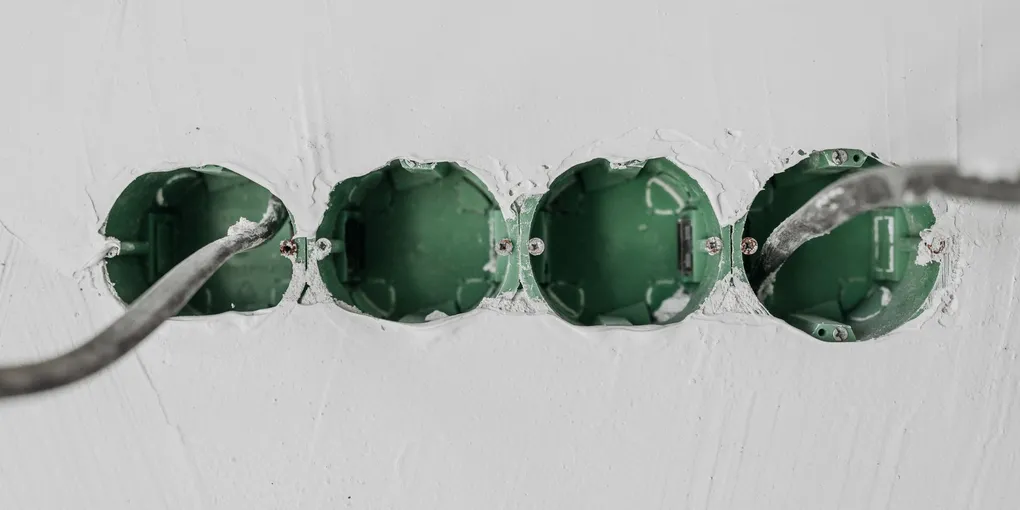
Sump pump installation costs $800–$2,500 for a new installation including pit excavation. Sump pump replacement (existing pit) costs $300–$700. The pump unit itself costs $100–$450; installation labor runs $200–$450. Battery backup units add $200–$600. Primary sump pumps last 7–12 years — replace before failure to prevent costly basement flooding.
Frequently Asked Questions
How much does sump pump installation cost?
Sump pump installation costs: replacement (existing sump pit) $300–$700 including pump + labor; new installation with pit excavation $800–$2,500; battery backup add-on $200–$600; combination primary + battery backup $600–$1,200 installed. Pump unit cost: submersible $100–$450; pedestal $75–$200; battery backup unit $200–$500 (separate from primary pump). Labor: $200–$450 for swap; $600–$1,800 for new pit excavation through concrete floor. Total ongoing cost: sump pump replacement every 7–12 years = $300–$700 per replacement cycle.
What is the difference between a submersible and pedestal sump pump?
Submersible sump pump: motor is sealed inside a waterproof housing and sits in the pit submerged in water. Quieter operation; handles debris-laden water better; longer lifespan (10–15 years); costs $150–$450. Pedestal sump pump: motor sits on a pedestal above the pit (not submerged), only the impeller is in the water. Louder; not recommended for large pits; shorter lifespan (5–15 years); costs $75–$200. Most new installations use submersible pumps — they are quieter and more reliable for finished basements. Pedestal pumps are more accessible for maintenance but are the older technology. For a finished basement where the sump is covered or concealed, submersible is always the right choice.
Do I need a battery backup sump pump?
A battery backup sump pump is strongly recommended if: you lose power during storms (when flooding risk is highest); your basement is finished (water damage cost is high); you travel frequently or spend time away from home; or your primary pump fails frequently. Battery backup options: DC battery backup unit ($200–$400 for the unit, $200–$600 installed) — runs on a 12V car battery, activates when primary fails or power goes out; water-powered backup ($150–$300) — uses home water pressure to drive the pump, requires city water (not well), no battery maintenance; combination unit ($350–$600) — primary submersible + battery backup in one unit. A finished basement flooded with 2 inches of water causes $15,000–$50,000 in damage — a $400 battery backup pays for itself the first time.
How do I know if my sump pump needs to be replaced?
Signs a sump pump needs replacement: (1) Age over 10 years — most submersible pumps last 7–12 years; replace proactively before failure; (2) Pump runs continuously or cycles on/off frequently (stuck or worn float switch, pump too small for water input); (3) Loud grinding, rattling, or humming noise (motor bearing failure, debris in impeller); (4) Visible rust or corrosion on the pump body; (5) Pump ran dry during a test (float switch stuck in down position, pump runs without water, destroys the seal); (6) Basin fills with water even when pump is running (pump capacity inadequate — check pump horsepower vs. water input rate). Replace rather than repair in most cases — pump units are $100–$400 and labor for replacement is $200–$300.
Can I install a sump pump myself?
Sump pump replacement (swap out existing pump in an existing pit) is DIY-feasible: disconnect the old pump, disconnect the discharge pipe, install new pump, reconnect discharge, plug in. Typical DIY time: 1–2 hours. Main DIY caution: ensure the new pump has a compatible check valve on the discharge line (prevents backflow); ensure the float switch height is correct for your pit depth; test by pouring water into the pit and confirming pump activates and discharges. New pit installation (excavating through a concrete basement floor) is NOT DIY — requires jackhammer, concrete cutting, gravel installation, and proper discharge line plumbing. Professional installation only for new pits.
Where does the sump pump discharge water go?
Sump pump discharge must exit to daylight (outdoors) away from the foundation — never into a sanitary sewer drain or the basement floor drain (illegal in most jurisdictions and creates sewage backup risk during heavy rain). Proper discharge: pipe exits through the foundation wall or through the floor to an exterior dry well, storm drain, or a point 10–20 feet from the foundation sloping away. Code requirement: discharge must terminate at least 10 feet from the foundation (some jurisdictions require 20 feet) and not discharge onto adjacent properties. Common problem: frozen discharge pipe in winter — use a freeze-resistant discharge fitting or bury the discharge line below frost depth.
Sump pump installation costs $800–$2,500 for a new installation including pit excavation. Sump pump replacement (existing pit) costs $300–$700.
A sump pump is one of the most cost-effective water damage prevention investments in a home with a basement water table issue. The $300–$700 replacement cost every 7–12 years is trivial compared to a single basement flood ($15,000–$50,000+ in finished basement damage). Replace proactively at 8–10 years — don’t wait for failure.
Sump Pump Cost Summary
| Scope | Cost |
|---|---|
| Pump unit only (submersible) | $100–$450 |
| Replacement in existing pit | $300–$700 installed |
| Battery backup addition | $200–$600 |
| Primary + battery backup combo | $600–$1,200 installed |
| New pit excavation + install | $800–$2,500 |
Submersible vs. Pedestal Comparison
| Feature | Submersible | Pedestal |
|---|---|---|
| Noise level | Quiet | Louder |
| Lifespan | 10–15 years | 5–15 years |
| Unit cost | $150–$450 | $75–$200 |
| Best for | Finished basements | Accessible utility basements |
| Debris handling | Better | Less effective |
For new installations in finished basements, submersible is always the right choice. Pedestal pumps are only appropriate for very narrow pits or accessible utility basements where maintenance access is the priority.
Battery Backup Options and Cost
| Backup Type | Unit Cost | Installed | Runtime | Maintenance |
|---|---|---|---|---|
| DC battery backup | $150–$350 | $200–$500 | 5–12 hrs at moderate inflow | Replace battery every 3–5 years ($30–$80) |
| Water-powered backup | $100–$250 | $150–$350 | Continuous (uses water pressure) | No battery; requires city water |
| Combination unit (primary + backup) | $250–$550 | $400–$800 | Varies | Easier single-unit install |
Battery backup is not optional if you have a finished basement. Power outages occur most often during severe storms — exactly when flooding risk is highest. A 6-inch basement flood in a 1,200 sq ft finished basement causes $30,000–$75,000 in damage. A $300 battery backup pays for itself in a single prevented flood event.
Battery backup units typically activate when:
- The primary pump fails mechanically (float gets stuck, motor burns out)
- Power is cut (most common failure scenario)
- The primary pump cannot keep up with incoming water volume (dual-pump failsafe)
New Pit vs. Pump Replacement: Which Do You Need?
| Situation | What You Need | Approximate Cost |
|---|---|---|
| Existing pit, pump failed | Pump replacement | $300–$700 |
| Existing pit, pit too small for inflow | Pit expansion or second pit | $800–$2,000 |
| No existing pit, first installation | Full installation (pit + pump) | $1,500–$3,500 |
| Pit liner cracked or deteriorated | Liner replacement | $400–$800 |
| Discharge line needs extension | Plumber only | $200–$600 |
Most homeowners buying a home built before 1990 with a basement should expect either no pump (needs full installation) or an aging pump due for replacement.
Top Sump Pump Brands
| Brand | Reputation | Price Range | Best For |
|---|---|---|---|
| Zoeller | Industry standard; very reliable | $175–$450 | Long-term reliability; commercial-grade |
| Wayne | Mid-market; good value | $100–$300 | Typical residential |
| Superior | Budget-friendly; acceptable quality | $75–$200 | Replacement on a budget |
| Basement Watchdog | Battery backup systems | $100–$300 (backup unit) | Battery backup specialist |
| Liberty | Commercial and heavy-duty | $200–$500 | High water table homes |
The Zoeller M53 ($170–$220) is the pump many plumbers install in their own homes. It’s cast iron, runs cooler than plastic-body pumps, and commonly lasts 15–20 years vs. 7–10 for budget alternatives.
Sump Pump Replacement Cost by Region
Labor rates for sump pump replacement vary by location:
| Region | Pump Replacement (installed) | New Pit Installation |
|---|---|---|
| Northeast (NYC, Boston, DC) | $400–$800 | $2,000–$4,000 |
| Midwest / Great Lakes | $300–$600 | $1,500–$3,000 |
| Southeast | $300–$550 | $1,200–$2,500 |
| Mountain / Plains | $300–$600 | $1,500–$3,000 |
| West Coast | $400–$750 | $2,000–$4,500 |
New pit installations cost more on the coasts primarily due to higher labor rates and permit fees.
When to Call a Plumber vs. DIY
| Task | DIY? | Why |
|---|---|---|
| Swap a pump in an existing pit | Yes | Unplug, disconnect discharge, swap, reconnect |
| Replace discharge pipe (above floor) | Yes | PVC work, no permit needed in most areas |
| Add a battery backup unit | Yes | Plug-and-play units, no plumbing permit needed |
| Install a new pit in concrete | No | Concrete cutting, proper drainage gravel, permit required |
| Extend discharge line outside | Partial | PVC outside is DIY; inside walls needs permit |
| Repair/replace the check valve | Yes | Slip-fit PVC, no permit |
Questions to Ask Your Sump Pump Installer
- What pump brand and model are you installing, and why did you choose it? — confirms the installer isn’t using cheapest available; Zoeller cast-iron pumps last 15–20 years vs. 7–10 for budget plastic-body alternatives
- What HP rating is appropriate for my water table and pit size? — installer should explain the sizing calculation, not just default to 1/3 HP for every home
- Does the installation include a check valve and where will it be positioned? — a check valve on the vertical discharge run 6–12 inches above the pump prevents backflow short cycling
- How will the discharge exit the home and is that compliant with local code? — discharge must terminate at least 10 feet from the foundation (20 feet in some jurisdictions) and never into a sanitary sewer
- Do you recommend a battery backup, and what’s the cost difference with and without it? — any plumber working on a finished basement should strongly recommend backup; one who doesn’t is leaving out critical flood protection advice
DIY supplies (if you tackle it yourself)
- Sump pump (1/2 HP submersible)
- Check valve for sump pump
- PVC pipe for discharge line
- Sump pump alarm/battery backup
Related Reading
- How to Install a Sump Pump
- Basement Waterproofing Cost
- Basement Finishing Cost
- Crawl Space Encapsulation Cost
- Annual Home Maintenance Schedule
- Test your existing sump pump annually before wet season
Annual testing prevents discovering a failed pump during a flood. Test procedure: pour 5 gallons of water into the sump pit slowly. The pump should activate as the water level rises (float switch triggers), pump the water out, and shut off. If the pump doesn't activate: check that it's plugged in; check the float switch isn't stuck (manually lift the float — pump should run); check the circuit breaker. If the pump activates but water doesn't discharge: check the discharge pipe for obstruction or freeze; check the check valve (should only allow flow toward discharge, not back into pit). Best time to test: March or April, before spring rain season. Running a failed pump in a flood will not stop the water — it just runs hot and seizes.
- Size the pump to your water input rate
Sump pump sizing: measure how fast your pit fills by running a hose into the pit for 1 minute. If the water level rises 1 inch per minute in a 16-inch diameter pit, you need a pump rated for at least 1,800 GPH (gallons per hour) to keep up. Standard residential pumps: 1/3 HP handles 2,500–3,500 GPH; 1/2 HP handles 3,500–4,500 GPH; 3/4 HP handles 4,500–6,000 GPH. Most residential basements are adequately served by 1/3 HP. Undersized pumps run continuously during heavy rain, fail early, and don't control water during peak inflow. High water tables, basement drainage tile systems, or large properties draining to the pit may require 1/2 HP or larger.
- Install a check valve on the discharge line
A check valve on the discharge line is essential — without it, the water in the discharge pipe flows back into the pit when the pump stops, causing the pump to cycle on repeatedly (short cycling) and the float to never fully lower. Check valves allow flow in one direction only (out of the pit) and prevent backflow. Install the check valve 6–12 inches above the pump in the vertical discharge pipe section, before any horizontal run. Check valve cost: $8–$25 at hardware stores. Horizontal discharge runs should slope upward at 1/4 inch per foot toward the exterior exit to ensure full drainage. A missing or failed check valve is the second most common reason (after float failure) for a pump that runs constantly.
- Protect the discharge line from freezing
Frozen discharge lines are a common winter failure — the pipe freezes at the exterior exit point and the pump cannot discharge, running continuously until it overheats or floods the basement. Prevention: use a freeze-resistant discharge fitting (a combination outlet that allows discharge through a small secondary path even when the primary is frozen, $10–$20); bury the exterior discharge line below frost depth if possible; ensure the discharge exits at a consistent downward angle so water drains completely after each cycle (standing water freezes). If the line has frozen during a flood event: immediately disconnect the pump to prevent motor burnout; use a heat gun or warm water to thaw the exit; never run the pump against a frozen discharge.
- Install the battery backup before you need it
Battery backup sump pumps must be installed before a flood — installation during a flood is impossible with water rising. Standard installation: mount the battery backup unit next to or over the primary pump; the battery backup has its own float set higher than the primary pump float; when the primary fails or power goes out, the backup activates at the higher water level. Battery maintenance: replace the battery every 3–5 years (standard 12V battery, $30–$80); test the backup annually by unplugging the primary and confirming the backup activates. Battery backup capacity: typically 1,500–2,000 GPH, adequate for moderate water inflow; in very wet basements, a full-powered DC backup unit with a deep-cycle marine battery provides more capacity.
Free: 10-Point Home Maintenance Checklist
Prevent costly repairs with this seasonal checklist. Save hundreds every year by catching problems early.
Your checklist is ready!
Open Checklist →Something went wrong. View the checklist here.