Kitchen Countertop Replacement Cost 2026: $2,000–$6,500 Installed
Kitchen countertop replacement costs $2,000–$6,500 for a typical 30 sq ft kitchen — laminate at the low end, granite and quartz at the high end. What drives the price and how to budget.
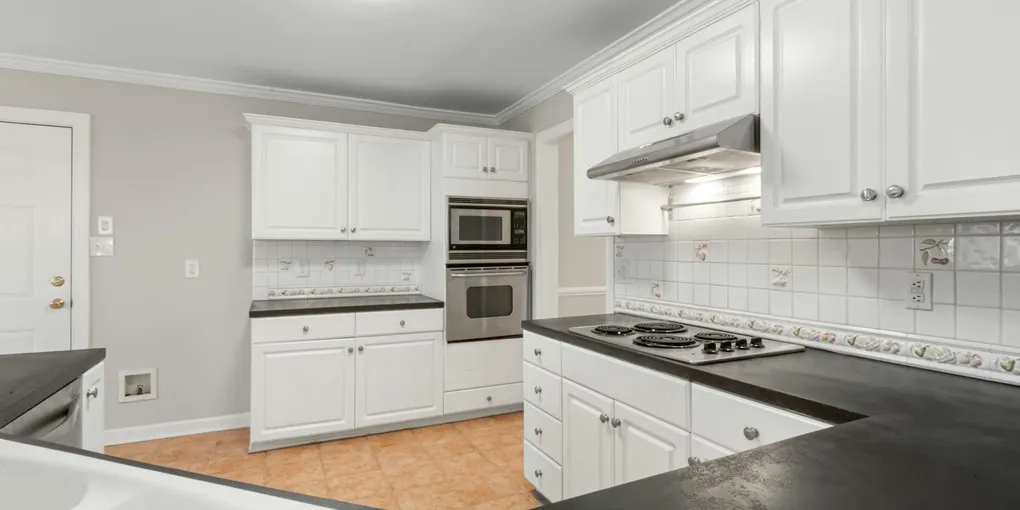
Replacing kitchen countertops costs $2,000–$6,500 for an average 30–40 sq ft kitchen. Laminate runs $20–$50/sq ft installed, butcher block $40–$100, granite $50–$120, quartz $60–$150, and marble $75–$250. Add $200–$500 for plumbing disconnect/reconnect and $300–$800 for removing existing counters.
Frequently Asked Questions
How much does a new quartz countertop cost?
Quartz countertops cost $60–$150 per square foot installed. For a typical 30–40 sq ft kitchen, expect $1,800–$6,000 total. Premium brands like Caesarstone, Silestone, and Cambria run at the higher end. Home-center private labels and lesser-known Asian imports run at the lower end but have fewer color options and shorter warranties.
Is quartz or granite better for kitchen countertops?
Quartz is lower-maintenance (no sealing required), more consistent in appearance, and more stain-resistant, but it scorches under very hot pans and discolors in direct sunlight. Granite is more heat-resistant, has one-of-a-kind natural patterns, and can outlast the home, but it needs sealing every 1–3 years and can chip. For most busy kitchens, quartz wins on convenience; for high-design or outdoor kitchens, granite wins.
What is the cheapest way to replace kitchen countertops?
Laminate is still the cheapest real replacement at $20–$50 per square foot installed. Butcher block from IKEA or a big-box store is a close second at $40–$80 installed. DIY laminate or butcher block installation can cut another 30–50% off the total, since most of the job is measuring, cutting, and fastening — no slab handling required.
Do I have to replace my sink when I replace my countertops?
Not always, but most fabricators strongly recommend it when switching counter materials — especially going from laminate to stone. A new countertop cutout rarely matches an old sink's exact footprint, and lifting a drop-in sink back into a freshly cut stone opening risks cracking. Undermount sinks are almost always replaced. Budget $300–$1,200 for a new sink plus plumbing reconnect.
How long does countertop replacement take?
Most kitchens are counterless for 1–3 days. Day 1: templating (a fabricator creates a digital or physical template of your base cabinets, usually after the old tops are removed). Fabrication takes 5–10 business days. Day 2: installation (typically 2–6 hours for an average kitchen). Plumbing reconnect happens the same day or the next morning.
Replacing kitchen countertops costs $2,000–$6,500 for an average 30–40 sq ft kitchen. Laminate runs $20–$50/sq ft installed, butcher block $40–$100, granite $50–$120, quartz $60–$150, and marble $75–$250.
New countertops are the single most visible upgrade in a kitchen — more than paint, more than cabinets, more than floors. They’re also the line item where homeowners get the widest range of quotes, the most confusing material choices, and the ugliest surprises after demo day. This guide breaks down what you’ll actually pay to replace kitchen countertops in 2026, by material and by region, and where the hidden costs sit.
The Short Answer
For a typical 30–40 sq ft kitchen, budget $2,000 to $6,500 for a professional countertop replacement, all-in (material, fabrication, install, edge profile, cutouts, removal, and plumbing reconnect). If you’re doing a fully custom slab with complex edges and a waterfall island, plan for $8,000–$15,000.
Cost by Material (2026 National Averages, Installed)
| Material | Per Sq Ft | 30 Sq Ft Kitchen | 40 Sq Ft Kitchen | Lifespan |
|---|---|---|---|---|
| Laminate | $20–$50 | $600–$1,500 | $800–$2,000 | 10–20 yrs |
| Butcher Block | $40–$100 | $1,200–$3,000 | $1,600–$4,000 | 10–20 yrs (with care) |
| Tile | $25–$80 | $750–$2,400 | $1,000–$3,200 | 20+ yrs |
| Solid Surface (Corian) | $50–$120 | $1,500–$3,600 | $2,000–$4,800 | 20–30 yrs |
| Granite | $50–$120 | $1,500–$3,600 | $2,000–$4,800 | 30+ yrs |
| Quartz (engineered) | $60–$150 | $1,800–$4,500 | $2,400–$6,000 | 30+ yrs |
| Soapstone | $70–$140 | $2,100–$4,200 | $2,800–$5,600 | 30+ yrs |
| Marble | $75–$250 | $2,250–$7,500 | $3,000–$10,000 | 30+ yrs (with care) |
| Concrete (custom) | $75–$200 | $2,250–$6,000 | $3,000–$8,000 | 30+ yrs |
| Porcelain slab | $80–$200 | $2,400–$6,000 | $3,200–$8,000 | 30+ yrs |
Prices include basic installation, one standard edge profile (eased or beveled), and cutouts for a single sink and cooktop. Complex edges (ogee, waterfall, mitered) add 10–30%. Exotic granite and premium marble can run much higher than the ranges shown.
The Line Items You’re Actually Paying For
A typical countertop quote breaks down roughly like this:
- Slab material: 40–60% of total cost
- Fabrication (cutting to template, polishing edges): 15–25%
- Installation (two-person crew, 2–6 hours): 10–15%
- Edge profile: $5–$25 per linear foot extra for upgrades
- Cutouts: $100–$300 per cutout (sink, cooktop, faucet)
- Removal and haul-away of old tops: $200–$500
- Plumbing disconnect/reconnect: $150–$400
- Backsplash (if added): $500–$2,500 depending on material
Why Quartz Dominates 2026 Remodels
Quartz has become the default mid-to-upper kitchen countertop for one reason: it asks nothing of the homeowner. No sealing. No re-sealing. No re-polishing. Just wipe and move on. Every major fabricator now stocks 50+ quartz colorways, and the pattern quality (especially in marble-look quartz from brands like Caesarstone Calacatta Nuvo and Cambria Brittanicca) rivals actual marble at a fraction of the maintenance.
The tradeoff: quartz has a temperature ceiling. A 400°F cast-iron pan straight off the burner can scorch a resin-heavy quartz surface, leaving a yellowed mark that can’t be polished out. Trivets are not optional.
Before committing to quartz, it’s worth reviewing the best cordless drills for homeowners guide if you’re also planning cabinet work during the same remodel.
Granite Is Still a Top Pick — Here’s Why
Granite fell out of the spotlight when quartz hit the mass market, but it remains the smartest choice for a few specific situations:
- Outdoor kitchens — granite handles UV and temperature swings that quartz can’t.
- High-heat use — granite won’t scorch from direct pan contact.
- One-of-a-kind aesthetics — no two granite slabs are identical.
- Long-term resale — a well-chosen granite still reads as premium to buyers.
The downside is maintenance: a yearly seal check, a re-seal every 1–3 years depending on porosity, and immediate wipe-up of anything acidic (lemon juice, wine, vinegar) to prevent etching on polished finishes.
The Hidden Costs Nobody Warns You About
1. Sink Replacement
Most countertop replacements come with a new sink — especially when switching materials. Budget $300–$1,200 for the sink itself (stainless, composite, or fireclay) plus $150–$300 for plumbing reconnect.
2. Cabinet Reinforcement
Stone countertops weigh 18–22 pounds per square foot. A 40 sq ft kitchen of granite or quartz weighs roughly 720–880 pounds. Older cabinets (pre-1990 builder-grade) sometimes need reinforcement before installers will set the stone. Expect $200–$600 if that’s required.
3. Seam Placement
All stone slabs come in roughly 9–10 foot lengths. If your counter run exceeds that, you’ll have a seam. A good fabricator hides seams behind the sink or at a corner; a bad one puts one straight across the main prep area. Always ask to see the seam layout before fabrication begins.
4. Backsplash Removal
If you’re keeping your existing tile backsplash, the installers will likely damage it during removal of the old tops — especially if it’s mortared tight to the counter. Plan for either a full backsplash redo (see our tile backsplash install guide) or an extra $200–$500 in repair work.
5. Stone Yard Visits
The best-looking slabs sell fast. If you’re picky about veining, plan two stone-yard visits — one to narrow down colors, one to tag your actual slab. Some yards charge $50–$100 to hold a slab while you finalize.
Cost by Kitchen Size
Galley kitchen (20–25 sq ft): $1,200–$3,800 installed for quartz; $900–$2,500 for laminate or butcher block.
Standard U-shape (30–40 sq ft): $1,800–$6,000 installed for quartz; $2,000–$4,800 for granite.
Large kitchen with island (50–65 sq ft): $3,000–$9,750 installed for quartz; $3,750–$16,250 for marble.
Chef’s kitchen (80+ sq ft): $4,800–$24,000+ depending on material and edge complexity.
Regional Cost Variation
Labor and delivery account for a surprising share of total cost, and both are regional.
- Northeast (NYC, Boston): +20–30% vs. national average
- West Coast (SF, LA, Seattle): +15–25%
- Midwest and South: at or below national average
- Rural areas: watch for delivery surcharges if the stone yard is 50+ miles away
DIY Countertop Options
Stone countertop slabs need trained installers — the slabs are heavy, brittle in transit, and require dry-cutting with specialized diamond blades. These are not DIY projects.
But several materials are fair DIY games:
- Laminate countertops — post-formed laminate from home centers installs with a utility knife, saw, and contact cement. Expect 4–8 hours total.
- Butcher block — IKEA and Lumber Liquidators sell ready-to-cut slabs. Finishing (mineral oil or food-safe conditioner) takes a day.
- Concrete — cast-in-place or precast concrete counters are doable for experienced DIYers but require careful mix design and form work.
- Tile — a real DIY option, though seams and grout maintenance are ongoing.
You’ll need a circular saw with a fine-tooth blade, a router for edge profiles, and solid clamps. Our new homeowner toolkit covers the basics.
Timeline: What the Replacement Process Looks Like
Week 1: Quotes and slab selection (3–5 quotes, 1–2 stone yard visits).
Week 2: Decision and deposit (usually 50% down).
Week 3: Templating — the old counters come out and the fabricator creates a template the same day. You’ll be counterless from this point until install.
Weeks 4–5: Fabrication (5–10 business days).
Week 5: Installation (2–6 hours). Plumbing reconnect same day or next morning.
Total elapsed time: 3–5 weeks from first quote to fully functional kitchen.
How to Cut the Bill Without Cutting Quality
- Pick remnants for small jobs. Islands under 20 sq ft can often be cut from a fabricator’s remnant pile at 40–60% off full-slab pricing.
- Stick with a standard edge profile. Eased or beveled edges are included; bullnose, ogee, and mitered edges cost extra.
- Use one material throughout. Mixing quartz on perimeter and butcher block on an island doubles the fabrication setup time.
- Book in off-peak months. January–March and September–October are slower for most fabricators; ask for a discount.
- Skip the waterfall edge. A waterfall edge on an island can add $500–$1,500 to the cost and isn’t always worth it aesthetically.
When to Splurge on Countertops
If you’re planning to stay in the home 10+ years, countertops are the one kitchen line item where splurging almost always pays off. Cabinets get refaced, appliances die and get replaced, paint and hardware change with trends — but a great countertop lasts through all of that and sets the tone for every future renovation.
If you’re flipping or selling within 3 years, quartz in a neutral color is the safest dollar. Buyers recognize it, it photographs well, and it eliminates the “is it sealed?” question that scares buyers away from granite and marble.
Regional Kitchen Countertop Replacement Cost Variations
| Region | Laminate (30 sq ft) | Quartz (30 sq ft) | Granite (30 sq ft) |
|---|---|---|---|
| Northeast (NY, MA, NJ) | $800–$1,800 | $2,800–$5,500 | $2,500–$5,000 |
| Mid-Atlantic (DC, MD, VA) | $700–$1,600 | $2,500–$5,000 | $2,200–$4,600 |
| Southeast (FL, GA, TX) | $550–$1,300 | $1,900–$4,000 | $1,700–$3,800 |
| Midwest | $600–$1,400 | $2,100–$4,300 | $1,900–$4,000 |
| Pacific (CA, WA, OR) | $800–$1,800 | $2,800–$5,500 | $2,500–$5,000 |
Prices include countertop material, installation labor, standard edge profile, and sink cutout. Demolition and disposal of existing countertops typically add $100–$300.
Countertop Material and Brand Comparison
| Material / Brand | Price (per sq ft, installed) | Best For | Notes |
|---|---|---|---|
| Laminate (Formica, Wilsonart) | $20–$50/sq ft | Budget update; rentals; low-traffic kitchens | Modern prints mimic stone convincingly; heat and scratch vulnerable; post-form edges available |
| IKEA SEKTION countertop | $30–$60/sq ft (installed) | Budget; IKEA kitchen systems | Butcher block and laminate options; works with IKEA cabinets without template fees |
| Cambria Quartz | $80–$130/sq ft | Premium quartz; American-made; best warranty | Made in USA; lifetime warranty; among the most durable quartz brands |
| Silestone (Cosentino) | $65–$110/sq ft | Mid-premium quartz; wide color range | Hybriq technology; good stain resistance; excellent nationwide availability |
| Caesarstone | $60–$100/sq ft | Mid-premium quartz; pioneer brand | One of the original engineered quartz brands; consistent quality; good commercial track record |
| MSI Q Quartz | $45–$80/sq ft | Value quartz; competitive pricing | Good quality at lower price point; wide slab availability; less brand cachet |
For most kitchens: MSI or Silestone at $45–$80/sq ft installed offers excellent quartz at a practical price. Cambria is the choice for premium investment kitchens. Laminate makes sense for rental properties and budget renovations where function matters more than appearance.
Questions to Ask Your Countertop Installer
-
Is the quoted price based on a template measurement, and when will the template be taken? — Countertop pricing is accurate only after a physical template of the kitchen is made. Many companies quote by linear foot or square footage estimate before templating, then adjust after the actual measurement. Ask: “Is this a pre-template estimate or a final price?” and “When will you template?” The template appointment (typically 1–2 hours) is when final pricing is confirmed, seams are planned, and edge profiles are selected. Don’t pay a deposit on an estimate that hasn’t been templated — the final price can change 10–20% from initial estimates on irregular kitchen layouts.
-
Where will seams fall, and what is your seam quality guarantee? — Larger kitchens require seams in the countertop slab. Seam placement matters aesthetically (you want them away from high-visibility focal points like the range or island front) and structurally (seams over open dishwasher doors or span areas can flex and crack). Ask the installer: “Where will seams fall in my kitchen?” and “Can I see an example of your seam quality?” Seams should be tight (under 1mm), level, and color-filled. Poorly matched seams are one of the most common countertop installation complaints — ask to see photos of previous work.
-
What edge profile is included in the quote, and what are my options? — Standard edge profiles (eased, straight, beveled) are included in base pricing. Premium profiles (ogee, dupont, waterfall) add $10–$30 per linear foot. Ask: “What edge profile is included, and what are my upgrade options and costs?” Also ask about the inside corners (coped vs. mitered) and how they handle the transition at the sink. Edge quality is the most tactile part of the countertop and heavily influences perceived quality — worth spending 15 minutes on during the consultation.
-
Is sink undermount cutout, faucet hole drilling, and sink attachment included? — Countertop replacement almost always involves an undermount sink cutout, faucet holes (1–4), and attaching the sink from below. Ask: “Is the sink cutout, faucet drilling, and sink attachment included in your price?” Some installers quote separately for each element. Also ask whether the undermount sink attachment uses clips and silicone (standard) or epoxy (some installers use; debated on longevity). If you’re replacing the sink at the same time, confirm the installer will size the cutout for the new sink — not a generic size.
-
What maintenance is required for this material, and what voids the warranty? — Maintenance requirements vary significantly by material: quartz needs no sealing; granite requires sealing every 1–3 years; marble needs quarterly sealing and is vulnerable to acid etching. Ask: “What maintenance is required for this material?” and “What specific actions void the manufacturer warranty?” Common warranty voids: using the countertop as a cutting board, placing hot pans directly on the surface (even quartz — thermal shock can crack engineered stone), and using acidic cleaners. Understanding this before purchase prevents a costly misuse claim.
DIY supplies (if you tackle it yourself)
- Countertop silicone sealant
- Countertop template kit
- Basin wrench (sink install)
- P-trap and drain assembly
Related Reading
- Kitchen remodel cost breakdown
- Kitchen Countertop Cost — material-only pricing if you’re doing the install yourself
- How to install a tile backsplash
- How to paint kitchen cabinets
- How to replace a kitchen faucet
- New homeowner toolkit
- How to Fix a Cracked Kitchen Countertop — repair a chip or crack in an existing countertop before deciding on full replacement
- How to Fix a Cracked Tile Countertop — repair a cracked tile countertop or replace individual tiles before budgeting for a full countertop replacement
The Bottom Line
A realistic 2026 countertop replacement for a standard 30–40 sq ft kitchen lands at $2,500–$5,500 installed with quartz — still the best-balance material for most homeowners. Laminate and butcher block remain great budget picks. Granite and marble still carry a premium but earn it in the right homes. The biggest way to get a fair price is getting at least three line-item quotes, visiting the stone yard in person for the final slab pick, and confirming exactly what’s included before you sign.
- Measure your existing countertop square footage
Measure length × depth of every counter run and add the results in square feet. Standard counter depth is 25.5 inches (2.125 feet). A typical 10-foot L-shape kitchen works out to roughly 30–40 sq ft. Fabricators will template exactly, but your own measurement sets the budget.
- Pick a material based on use, not just looks
If you cook daily and have kids, prioritize heat and stain resistance (quartz, granite). If you want a warm, soft look and don't mind patina, pick butcher block. If budget is tight and the kitchen is a rental or short-term hold, laminate is still fine. Marble is gorgeous but etches from lemon juice, vinegar, and wine — most homeowners regret it within two years.
- Get at least 3 quotes that include everything
A real quote lists: material and slab allowance, edge profile (eased, beveled, bullnose, ogee), cutouts (sink, cooktop, faucet), templating, fabrication, delivery, installation, removal of old tops, haul-away, and seam location. Missing any of these items is a red flag. The spread between three honest quotes is usually 15–30%; bigger spreads mean someone is padding or missing something.
- Pick your slab in person if you're buying stone
For granite, marble, and high-end quartz, visit the stone yard and tag your actual slab. Stone is natural — two slabs from the same quarry look different. Never let the fabricator pick for you unless you trust them fully. Take a photo of the tag and confirm it matches on install day.
- Plan the plumbing and appliance disconnect
Before demo day, clear cabinets, shut off the water supply under the sink, disconnect the P-trap, and disconnect the dishwasher supply line. Many homeowners hire a plumber for $150–$300 to handle disconnect and reconnect; it's worth it if you're not comfortable sweating fittings or handling disposal wiring.
- Inspect on install day before the installers leave
Run your hand along every seam. Check that overhangs are even (1–1.5 inches is standard). Confirm cutouts align perfectly with sink, faucet, and cooktop. Make sure edge profiles are consistent. Any chips, scratches, or uneven seams need to be flagged before the crew leaves the driveway.
Free: 10-Point Home Maintenance Checklist
Prevent costly repairs with this seasonal checklist. Save hundreds every year by catching problems early.
Your checklist is ready!
Open Checklist →Something went wrong. View the checklist here.