How to Unclog a Drain: Sink, Tub, and Shower Drain Fixes That Actually Work
A clogged drain is almost always a buildup of hair, soap scum, or grease — and most clogs clear without calling a plumber. This guide covers every method from a $5 hair catcher to a drain snake, ranked from easiest to most involved.
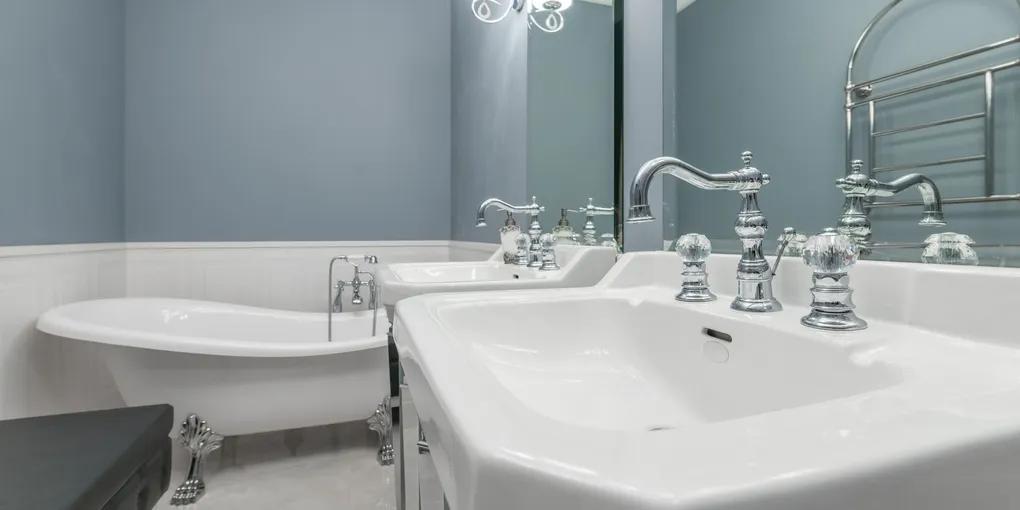
Unclogging a drain: (1) Hair clogs in tub/shower — use a plastic drain snake or zip-it tool ($5–$10) to pull hair out directly; this clears most bathroom clogs in 60 seconds. (2) Kitchen grease clog — pour two kettles of boiling water slowly down the drain, followed by dish soap. (3) Stubborn clogs — use a cup plunger with the overflow covered, 10–15 firm plunges. (4) Clog past the trap — a hand drum auger ($20–$40) reaches 15–25 feet into the drain line. DIY fixes clear 80% of clogs. If multiple drains back up simultaneously, it's a main sewer line blockage — call a plumber.
Frequently Asked Questions
What is the fastest way to unclog a drain?
For hair clogs in a tub or shower: a plastic drain hair catcher tool ($5–$10) pulled straight down through the drain opening removes the clog in 60 seconds in most cases. For kitchen sink grease clogs: boiling water poured slowly down the drain dissolves fresh grease buildup. Chemical drain cleaners work but take 15–30 minutes and damage pipes if used repeatedly. A drain snake (hand auger) clears virtually any clog that isn't a tree root and costs $20–$40 to rent or buy.
Can I use chemical drain cleaners regularly?
No. Products like Drano and Liquid-Plumr contain lye (sodium hydroxide) or sulfuric acid that can soften and pit PVC pipe over time and corrode metal pipes and drain fittings with repeated use. They are also ineffective against solid clogs (hair tangles, objects) and generate significant heat. Use chemical cleaners as a one-time emergency measure, not as maintenance. For maintenance, use an enzyme-based drain cleaner monthly — it digests organic matter without harming pipes.
My kitchen sink drains slowly but isn't fully blocked. What should I do?
A slow kitchen sink is almost always a grease and food particle buildup in the trap and drain line. Start with boiling water: pour two full kettles slowly down the drain, waiting a minute between pours. Follow with dish soap and hot water. If that doesn't fully clear it, remove the P-trap (the curved pipe under the sink) and clean it manually — this takes 10 minutes and clears most kitchen sink slowdowns completely. Do this once a year as maintenance.
How do I know if the clog is in the trap or deeper in the drain line?
If one fixture is slow or clogged: the clog is in that fixture's trap or the branch drain line — DIY fix. If multiple fixtures drain slowly or back up simultaneously (sink and tub slow at the same time, or sewage backing up into a tub when you flush the toilet): the clog is in the main drain line or sewer — this requires professional snaking or jetting, not a DIY plunger fix. Call a plumber; a main line snake costs $150–$300 professionally.
Is it safe to use a plunger on a sink with a garbage disposal?
Yes, with one precaution: plug the other side of a double sink before plunging (use a wet cloth or second plunger). If you don't seal the other drain, all the force from plunging escapes through the open drain and nothing happens. On a single sink with a disposal, plunging works normally. Never put chemical drain cleaner in a sink with a disposal — the caustic liquid can splash back when the disposal runs.
A drain snake won't go past a certain point. What is blocking it?
The most common obstruction point is the 90-degree elbow where the drain line transitions from horizontal to vertical — usually 3–6 feet into the drain. Wiggle and rotate the snake while applying gentle forward pressure to navigate the bend. If the snake won't pass after rotating, you may have hit a solid object (not organic buildup). Objects that commonly lodge at bends: bottle caps, small toys, dental floss tangles, rings. If the snake can't clear it, a plumber with a camera can identify and retrieve the object.
What is the best drain cleaner for hair clogs in 2026?
For hair clogs in bathroom drains, these are the most effective options: Best enzymatic (safest): Bio-Clean or Green Gobbler DISSOLVE ($15–$20) — enzyme-based, safe for all pipes including PVC and old galvanized, won't damage rubber gaskets or chrome finishes. Slower than chemical cleaners but won't harm pipes with repeated use. Best mechanical (fastest, most reliable): Drain Weasel or Zip-It drain cleaning tool ($5–$10) — a thin plastic strip with barbs that grabs hair out of the P-trap. Pulls out the actual clog rather than dissolving it. Works in 30 seconds. Recommended first step for any bathroom drain clog. Best chemical (fastest chemical option): Drano Max Gel ($10–$15) — thicker gel formula stays in contact with the clog longer than liquid. Effective on hair + soap scum. Safe for PVC and metal pipes, but don't use if a complete blockage exists (water standing) — use the Zip-It tool first to clear enough for water to drain. What to avoid: avoid any drain cleaner claiming to work on garbage disposals — they contain enzymes that foul the disposal. Avoid Liquid-Plumr in older homes with metal traps — the acidic formula can accelerate corrosion over repeated use. Key tip: most bathroom drain clogs are in the first 6–12 inches of pipe. Remove the drain cover and use a Zip-It tool before any chemical cleaner — it's faster, cheaper, and works better.
How do I unclog a bathroom sink drain myself step by step?
Step-by-step bathroom sink unclog in order from simplest to most involved: Step 1 — Remove and clean the stopper (2 minutes): most bathroom sinks have a pop-up stopper connected to a pivot rod. Lift the stopper out (some unscrew, some lift straight up). Clean the hair and soap scum off the stopper — this alone clears 40% of slow-draining bathroom sinks. Step 2 — Zip-It tool (3 minutes, $5): insert the plastic barbed tool into the open drain, push down 6–10 inches, rotate, and pull out. Repeat until no more hair comes out. This clears the P-trap area where most hair clogs accumulate. Step 3 — Boiling water + dish soap: pour one tablespoon of dish soap into the drain followed by a kettle of near-boiling water. Wait 5 minutes. The soap lubricates soap scum buildup and the hot water melts grease. Run hot water for 2 minutes afterward. Step 4 — Baking soda and vinegar: pour 1/2 cup baking soda into the drain, followed by 1/2 cup white vinegar. Cover the drain and wait 15 minutes, then flush with hot water. This is more effective at dissolving soap scum than chemical-only methods. Step 5 — Plunger: use a cup plunger (not a flange plunger — that's for toilets) with water in the basin, plug the overflow hole with a wet rag, and plunge firmly 10–15 times. Step 6 — Remove and clean the P-trap: place a bucket under the curved pipe below the sink, unscrew both slip-joint nuts by hand (or with pliers), and pull out the P-trap. Clean out any accumulated debris. This works on 95% of sink clogs. Call a plumber if: the clog is past the P-trap and multiple fixtures (shower + sink) are slow simultaneously — this indicates a main line blockage.
Unclogging a drain: (1) Hair clogs in tub/shower — use a plastic drain snake or zip-it tool ($5–$10) to pull hair out directly; this clears most bathroom clogs in 60 seconds. (2) Kitchen grease clog — pour two kettles of boiling water slowly down the drain, followed by dish soap.
A clogged drain is the most common household plumbing problem, and it almost never needs a plumber. The cause is nearly always hair, soap scum, grease, or food particles — organic material that builds up over time until water can’t pass. This guide walks through every method in order from fastest and cheapest to most involved, so you can stop at the point the clog clears.
What You Need
You won’t need all of these for a single clog — pick the tools that match your situation. A hair clog in a shower needs a different tool than a grease clog in a kitchen sink.
- Drain hair removal tool (Zip-It style) ($5–$10 for a plastic barbed removal stick)
- Sink plunger (cup plunger) ($8–$15 — the flat cup style, not the flange plunger used for toilets)
- Hand drain snake / hand auger ($20–$40 for a 25-foot hand auger)
- Enzyme drain cleaner ($10–$20 for maintenance-grade enzyme cleaner)
- P-trap wrench or channel-lock pliers ($12–$25 for removing trap fittings)
- Bucket and old towels ($5–$15 for a small bucket to catch water when opening the trap)
A flashlight for looking into the drain opening and a pair of rubber gloves are also essential.
Understanding What Causes Drain Clogs
Different drains clog for different reasons, and the cause determines the best method.
Bathroom sink: Soap scum, toothpaste, and hair. The hair tangles around the stopper mechanism or catches at the first bend in the drain line. The clog is almost always within 12 inches of the drain opening.
Tub and shower drain: Primarily hair. Long hair wraps into a dense felt-like mass on the drain strainer or just below it. A single season of heavy shedding can create a complete blockage.
Kitchen sink: Grease, food particles, and soap. Grease congeals as it cools in the trap and drain line, then accumulates food particles that stick to it. Kitchen sink clogs build up slowly over months.
Bathroom floor drain: Usually a combination of hair and soap scum. Less common to clog but troublesome when they do because the drain line is often longer.
Knowing the drain type tells you which tool to reach for first.
Method 1: Manual Hair Removal (Tub, Shower, Bathroom Sink)
For any drain where hair is the likely culprit, try this first — it’s free, takes 2 minutes, and clears the majority of bathroom clogs.
Remove the drain strainer or stopper. For a pop-up stopper in a bathroom sink: lift and turn counterclockwise, or look under the sink for a pivot rod connected to the stopper — unscrew the pivot rod nut and slide the rod out to free the stopper. For a tub drain: unscrew the visible strainer or lift the overflow plate and lift out the stopper mechanism.
With the drain open, look down with a flashlight. In most cases you’ll see a grey-black hair mass resting on the drain strainer or caught in the first 3–4 inches of the drain pipe.
Insert the plastic hair removal tool (a Zip-It or similar barbed plastic strip) into the drain and rotate it as you push it down. The barbs snag the hair clog. Pull slowly upward while continuing to rotate — the hair mass should come up attached to the tool. Dispose of it in the trash (not back down the drain).
Run hot water for 30 seconds to confirm full flow. In most cases, this single step resolves the blockage completely.
Cost: $5–$10 if you don’t own a hair removal tool; effectively $0 if you do.
Method 2: Boiling Water (Kitchen Sink, Slow Drains)
For kitchen sinks with grease buildup or any drain that drains slowly but isn’t fully blocked, boiling water is the safest and cheapest first step.
Boil a full kettle or pot of water. Slowly pour it down the drain in two or three stages, waiting 20–30 seconds between pours. The heat melts grease and flushes it further down the drain line where the larger pipe diameter handles it without issue.
Follow the boiling water with a squirt of dish soap and another kettle of hot tap water. Dish soap is a degreaser and helps emulsify grease buildup along the pipe walls.
Caution: Do not use boiling water in a drain connected to PVC pipe that you know has loose joints or old connections — extremely hot water can soften PVC fittings over time with repeated use. For a one-time clearing, it’s fine.
Cost: $0.
Method 3: Plunging the Drain
Plunging creates pressure waves that dislodge clogs by pushing and pulling — this works for partial blockages where there’s still some water flow and trapped air.
For a sink: fill the basin with 2–3 inches of water (enough to submerge the plunger cup). If it’s a double sink, seal the other drain opening with a wet rag or a second plunger held in place. Place the cup plunger directly over the drain opening and press down to create a seal.
Plunge with firm, rapid up-and-down strokes — 10–15 strokes per attempt. On the final stroke, pull the plunger sharply upward to create a suction pull rather than just a push. Repeat 2–3 times.
For a tub: plug the overflow hole (the small opening near the top of the tub wall, near the faucet) with a wet cloth before plunging — otherwise air escapes through the overflow and the plunger creates no pressure.
Run water after plunging to test flow. If water drains slowly but not fully, try two more plunging sessions before moving to the snake.
Cost: $8–$15 if you need to buy a cup plunger.
Method 4: Baking Soda and Vinegar (Light Buildup)
The baking soda and vinegar method is more useful as a monthly maintenance flush than as a clog clearer, but it’s worth trying on a slow drain before reaching for harsher methods.
Pour 1/2 cup of baking soda directly into the drain. Follow immediately with 1/2 cup of white vinegar. The mixture will fizz — the fizzing action helps break up loose soap scum and organic buildup. Cover the drain with a cloth for 5 minutes to keep the reaction in the drain rather than bubbling back up. Flush with a kettle of hot water.
This method does not clear hair clogs or solid grease blockages. Think of it as a descaling rinse rather than a true unclogger.
Cost: $2–$5 if you don’t have these staples already.
Method 5: Clean the P-Trap
The P-trap is the curved section of pipe under every sink — the shape creates a water seal that blocks sewer gases from entering the home. It’s also the most common place for debris to accumulate in a kitchen sink drain.
Place a bucket under the trap. Use your hands or channel-lock pliers to unscrew the two slip nuts on either end of the trap (one connecting to the tailpiece coming down from the sink basin, one connecting to the drain pipe going into the wall). Most modern P-traps are plastic and hand-tighten — you may not need tools. Remove the trap and dump its contents into the bucket.
Use an old toothbrush or bottle brush to scrub the inside of the trap clean. Inspect the trap for cracks or damage while it’s out. Reinstall and hand-tighten the slip nuts — avoid overtightening plastic fittings, which can crack.
Run water to test. Also use this opportunity to see if water drains quickly from the wall pipe with the trap removed — if it does, the clog was in the trap (now cleared). If it still drains slowly, the clog is deeper in the drain line and you need the snake.
Cost: $0. Trap replacement if cracked: $5–$15.
Method 6: Drain Snake (Hand Auger)
A drain snake is the definitive tool for clogs that are past the trap, in the horizontal branch line, or too dense to plunge out. A 25-foot hand auger reaches well beyond the P-trap into the wall drain line where stubborn clogs accumulate.
Feed the snake cable into the drain opening. Push it forward while cranking the handle clockwise — the rotation helps the cable navigate bends and break through the clog. When you feel resistance, you’ve hit the blockage.
Continue cranking while pushing forward to drill through the clog, or hook the cable into the clog and pull it back out. Both techniques work — drilling is better for grease buildup; hooking and pulling is better for hair tangles.
Pull the snake back out slowly, continuing to crank. Flush with hot water. If the drain is slow but not clog-free, run the snake again in the same area.
For a tub or shower: Feed the snake through the drain opening (with the strainer removed). The clog is almost always within the first 3–5 feet.
For a kitchen sink: Remove the P-trap first and feed the snake directly into the wall pipe — this skips the trap bend and gives you a straighter entry to the drain line.
Cost: $20–$40 to buy a hand auger; $15–$25/day to rent from a home center.
Method 7: Hydro-Jetting (For Persistent Grease Lines)
If repeated snaking hasn’t cleared a kitchen drain line, the inside of the pipe may be coated with decades of grease buildup that the snake passes through without fully clearing. Hydro-jetting — high-pressure water through a specialized nozzle — strips the pipe walls clean.
This is generally a professional service: a plumber inserts a hose with a 360-degree spray nozzle and runs water at 1,500–4,000 PSI through the line. A kitchen drain jetting service typically costs $150–$400 depending on drain length and access.
Consumer-grade pressure washer drain attachments are available for around $30–$50 and work with a standard pressure washer — a viable option if you have recurring grease buildup and own a pressure washer.
Maintenance to Prevent Future Clogs
Install drain strainers: A $3–$8 mesh strainer over every tub, shower, and sink drain catches hair before it enters the pipe. Clean it after every shower. This single step eliminates most bathroom drain clogs permanently.
Monthly enzyme treatment: Pour enzyme-based drain cleaner (not chemical drain cleaner) down every drain once a month. Enzyme cleaners digest hair and organic matter in the pipe walls without harming the pipes. This is the only maintenance product worth using regularly.
Don’t pour grease down the sink: Cooking grease should go in a can or jar to solidify, then in the trash. Even “running hot water while pouring grease” still deposits grease in the drain line — it just relocates it further down before it cools and sticks.
Weekly hot water flush: Once a week, run the hottest tap water for 60 seconds down each drain. The heat keeps grease in the trap and drain line from fully solidifying.
Cost Summary
| Method | Cost | Time |
|---|---|---|
| Hair removal tool | $5–$10 | 5 minutes |
| Boiling water | $0 | 10 minutes |
| Plunging | $8–$15 | 15 minutes |
| Baking soda/vinegar | $2–$5 | 20 minutes |
| Clean P-trap | $0 | 20 minutes |
| Drain snake | $20–$40 (buy) | 30 minutes |
| Professional snaking | $100–$200 | 1 hour |
| Hydro-jetting | $150–$400 | 1–2 hours |
Related Reading
- How to Fix Low Water Pressure
- How to Fix a Blocked Sewer Vent Pipe — slow drains in multiple fixtures may be a vent blockage, not a clog
- How to Replace a Shower Head
- How to Fix a Garbage Disposal
- Understanding What Causes Drain Clogs
Different drains clog for different reasons, and the cause determines the best method.
- Method 1: Manual Hair Removal (Tub, Shower, Bathroom Sink)
For any drain where hair is the likely culprit, try this first — it's free, takes 2 minutes, and clears the majority of bathroom clogs.
- Method 2: Boiling Water (Kitchen Sink, Slow Drains)
For kitchen sinks with grease buildup or any drain that drains slowly but isn't fully blocked, boiling water is the safest and cheapest first step.
- Method 3: Plunging the Drain
Plunging creates pressure waves that dislodge clogs by pushing and pulling — this works for partial blockages where there's still some water flow and trapped air.
- Method 4: Baking Soda and Vinegar (Light Buildup)
The baking soda and vinegar method is more useful as a monthly maintenance flush than as a clog clearer, but it's worth trying on a slow drain before reaching for harsher methods.
- Method 5: Clean the P-Trap
The P-trap is the curved section of pipe under every sink — the shape creates a water seal that blocks sewer gases from entering the home. It's also the most common place for debris to accumulate in a kitchen sink drain.
Free: 10-Point Home Maintenance Checklist
Prevent costly repairs with this seasonal checklist. Save hundreds every year by catching problems early.
Your checklist is ready!
Open Checklist →Something went wrong. View the checklist here.