How to Unclog a Bathtub Drain: From Hair Clogs to Full Blockages
Learn how to unclog a bathtub drain yourself using a drain snake, plunger, or chemical cleaner — and find out when the clog is serious enough to call a plumber.
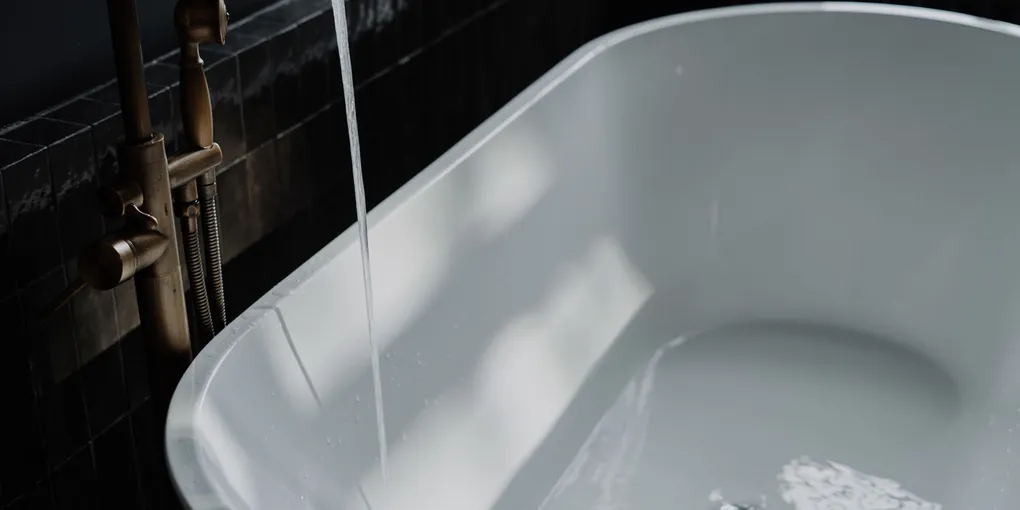
Unclogging a bathtub drain: (1) Remove the drain cover (usually 2 screws or a simple quarter-turn) and pull out the hair clog with needle-nose pliers or a zip-it tool ($5–$8). This fixes 90% of bathtub clogs. (2) If water still drains slowly: use a cup plunger — fill the tub with 2–3 inches of water, block the overflow plate with a wet cloth, and plunge firmly 15–20 times. (3) Still slow: snake the drain with a hand drum auger. (4) If the tub and other fixtures back up together: main sewer line blockage — call a plumber. Prevention: a $5 hair catcher on the drain prevents 90% of clogs from forming.
Frequently Asked Questions
What causes bathtub drains to clog?
The vast majority of bathtub clogs are caused by hair and soap scum that bind together inside the drain trap, which is the curved section of pipe directly below the drain opening. Over time, even small amounts of hair accumulate and create a dense mat that slows or fully blocks drainage.
What is the best drain snake for a bathtub?
A 25-foot hand drum auger is the right tool for most bathtub clogs. It reaches through the trap and well into the drain line. The Cobra or General Wire hand auger models are reliable and cost $25-45. Avoid the small plastic zip-it style tools for anything deeper than the drain opening.
Can I use Drano in a bathtub?
Yes, Drano Max Gel is formulated for bathtubs and sinks. However, avoid using it in cast iron tubs or if you have older pipes, as repeated use of caustic chemical drain cleaners can corrode metal pipes and damage rubber gaskets over time. For frequent clogs, enzyme-based cleaners are safer and still effective.
How do I remove the stopper to access the drain?
The removal method depends on your stopper type. Lift-and-turn stoppers unscrew counterclockwise while lifted. Push-pull stoppers unscrew counterclockwise while open. Toe-touch stoppers also unscrew counterclockwise. Trip lever stoppers require removing two screws from the overflow plate and pulling the entire linkage assembly out through the overflow hole.
How do I know if the clog is in the trap or deeper in the pipe?
If the tub drains slowly but does clears eventually, the clog is almost always in the trap directly below the drain. If water stands completely still or backs up into other fixtures (such as the toilet bubbling when the tub drains), the blockage is deeper in the main drain line and may require a plumber with a power auger.
When should I call a plumber for a slow bathtub drain?
Call a plumber if water backs up into other fixtures when you run the tub, if the drain stays completely blocked after using a 25-foot snake and chemical cleaner, or if you have cleared the same clog three or more times in a single year. These are signs of a deeper blockage or pipe problem that requires professional equipment.
Unclogging a bathtub drain: (1) Remove the drain cover (usually 2 screws or a simple quarter-turn) and pull out the hair clog with needle-nose pliers or a zip-it tool ($5–$8). This fixes 90% of bathtub clogs.
Most bathtub clogs are not complicated. Hair and soap scum collect inside the trap — the curved section of pipe just below the drain — and that mat of debris is almost always reachable without pulling up any tile or cutting into walls. If your tub drains slowly or not at all, there is a very good chance you can fix it in under 30 minutes with tools you can find at any hardware store.
This guide covers every step in order, from the simplest fix to more aggressive options, so you can stop at whichever step solves your problem.
What You Need
Buy what you need before you start. Having everything on hand makes the job much faster.
- Cobra Zip-It drain hair removal tool — for clearing hair right at the drain opening
- 25-foot hand drum auger (drain snake) — for clogs deeper in the trap and drain line
- Cup plunger — standard cup style, not a flange plunger
- Bio-Clean enzyme drain cleaner — for monthly maintenance and mild clogs
- TubShroom drain hair catcher — to prevent future clogs
- Drano Max Gel — for stubborn grease and soap scum clogs
Diagnose the Clog
Before reaching for any tools, figure out what you are dealing with.
Slow drain: Water drains but takes several minutes to clear. This is almost always a partial hair-and-soap-scum clog in the trap. Every method in this guide will work.
Fully blocked: Water stands completely still or rises while the tub runs. This can be a complete trap blockage or a deeper clog in the drain line. Start with the Zip-It and plunger, but have the drain snake ready.
Water backing up into other fixtures: If the toilet bubbles or water comes up in a nearby sink when the tub runs, the blockage is in the main drain line, not just the tub trap. Skip the DIY steps and call a plumber — this requires a power auger and professional diagnosis.
Step 1: Remove the Stopper
You cannot effectively snake or plunge a drain with the stopper in place. Identify your stopper type and remove it first.
Trip lever stopper: There is no visible stopper plug — the drain opening is just a hole. The stopper is a brass plug inside the drain pipe, controlled by a lever on the overflow plate (the oval cover on the tub wall below the faucet). To remove it: unscrew the two screws on the overflow plate, pull the entire plate and attached linkage assembly out through the overflow hole. Set it aside. This also opens up the overflow hole for snaking if needed.
Push-pull stopper: The stopper has a knob on top. Pull it to the open position, then unscrew the knob counterclockwise. Underneath is a post threaded into a brass insert in the drain crossbar. Unscrew the post counterclockwise and lift the stopper out.
Lift-and-turn stopper: Lift the stopper to the open position and turn it counterclockwise. It will either unscrew completely or expose a set screw at the base. Loosen the set screw with a small flathead screwdriver and lift the stopper off. Remove the brass strainer underneath if it is also screwed in.
Toe-touch stopper: Open the stopper by pressing it with your toe (or finger). While it is in the open position, unscrew the stopper body counterclockwise. If it does not turn by hand, use a small rag for grip.
Once the stopper is out, rinse it under the sink faucet and scrub off any hair or soap scum before setting it aside.
Step 2: Clear Hair from the Drain Opening
Before using any other method, spend two minutes at the drain opening. A surprising amount of hair clings right at the top of the trap and can be pulled out without tools.
Insert the Zip-It tool (or a bent wire coat hanger with a small hook at the tip) into the drain. Rotate it slowly and pull up. You will almost certainly pull out a dense, unpleasant clump of hair and soap scum. Repeat until nothing comes up.
Shine a flashlight into the drain opening. If you can see the blockage and it is within a few inches, use needle-nose pliers to pull out what remains.
Test the drain. Run hot water for 30 seconds. If the tub drains freely, you are done. If it still drains slowly or not at all, move to Step 3.
Step 3: Plunge the Drain
Plunging works by creating pressure that breaks up and dislodges the clog. The key technique for a bathtub is blocking the overflow plate first.
Before you plunge: Stuff a wet rag tightly into the overflow hole (the oval opening on the tub wall near the faucet). This is essential. Without it, the pressure you generate with the plunger escapes through the overflow and you accomplish nothing. If you removed a trip lever stopper in Step 1, the overflow hole is already open — stuffing it is even more important.
- Fill the tub with 2-3 inches of water. You need water for the plunger to work — plunging air does nothing.
- Place the cup plunger directly over the drain opening. Press it down firmly to create a seal.
- Plunge vigorously with an up-and-down motion for 20-30 seconds. You want sharp, forceful strokes — not slow pushes.
- Pull the plunger off sharply at the end to create suction.
- Let the water drain. If it flows freely, you are done.
Repeat 2-3 times if the first attempt does not fully clear the drain.
Test the drain again. If still blocked, move to the drain snake.
Step 4: Use a Drain Snake
A 25-foot hand drum auger reaches through the trap and well into the drain line, far beyond what the Zip-It or plunger can access.
- Feed the snake cable into the drain opening. Guide it in slowly — do not force it. You will feel resistance as it rounds the bend in the trap. This is normal.
- When you feel solid resistance that does not give with gentle pressure, you have hit the clog. Do not push harder yet.
- Tighten the drum’s thumb screw to lock the cable, then rotate the handle clockwise. This spins the corkscrew tip into the clog.
- Continue rotating while applying gentle forward pressure. You will feel the clog break up or feel the cable catch on hair and debris.
- When you feel the cable move forward freely, the clog has broken up or is attached to the snake tip. Pull the cable back slowly while continuing to rotate clockwise — this prevents the debris from slipping off.
- Pull the clog out and dispose of it.
- Feed the snake in again to make sure the line is clear.
Run hot water for a full minute to flush debris through the line. If the drain is now clear, reinstall the stopper.
If the snake won’t pass through: Some trip lever stopper mechanisms leave a strainer or crossbar partially blocking the drain opening. Feed the snake through the overflow hole instead — remove the overflow plate screws, pull out the trip lever assembly, and feed the snake through that opening. This bypasses the drain opening entirely and gives you a more direct path to the trap.
Step 5: Chemical Drain Cleaner
If physical methods have not fully cleared the drain, a chemical drain cleaner can dissolve what the snake left behind — particularly soap scum and grease that clings to the pipe walls.
Enzyme Cleaners (Preferred)
Enzyme-based cleaners like Bio-Clean use bacteria and enzymes to digest organic matter — hair, soap scum, grease. They are slow (allow 6-8 hours or overnight) but safe for all pipe types including cast iron and older galvanized steel. They also work well as a monthly preventive treatment.
Pour the enzyme cleaner into the drain per the package instructions and do not use the tub for at least 6 hours. Run hot water in the morning.
Caustic Chemical Cleaners (Drano, Liquid-Plumr)
Caustic gel cleaners dissolve clogs faster — typically 15-30 minutes. Drano Max Gel is formulated for full clogs and is thicker than older formulas, so it sinks through standing water to reach the clog.
How to use Drano correctly:
- Do not add water first. Pour the gel directly into the standing water over the drain.
- Use the full recommended amount (usually half the bottle for a complete blockage).
- Wait the full time listed on the label — at minimum 15 minutes, up to 30 for severe clogs.
- Flush with hot tap water for at least 60 seconds.
Cautions:
- Do not use Drano in cast iron tubs — the chemical reaction generates heat that can damage older finishes.
- Do not mix Drano with other drain cleaners, bleach, or any other chemical. The reaction produces dangerous fumes.
- Do not use Drano if you have already used a different chemical drain cleaner in the same drain — wait at least 24 hours or flush thoroughly first.
- Repeated use of caustic cleaners can degrade rubber gaskets and corrode older metal pipes over time. Use enzyme cleaners for routine maintenance.
After using any chemical cleaner, run the hot water and test the drain. If it is still fully blocked after one treatment, do not add more chemical — move to the next section.
Preventing Future Clogs
Once the drain is clear, two habits will prevent the next clog.
Install a TubShroom. The TubShroom sits inside the drain opening and catches hair before it enters the pipe. It costs about $12 and catches virtually all hair with every shower. Clean it every week or two by wiping the collected hair into the trash.
Monthly enzyme flush. Once a month, pour an enzyme drain cleaner (Bio-Clean or similar) into the drain before bed. The overnight treatment keeps soap scum from building up on pipe walls and prevents the gradual accumulation that leads to full blockages. This costs less than $1 per month and prevents the clog from ever forming.
Both habits together essentially eliminate bathtub drain clogs.
When to Call a Plumber
Most bathtub clogs yield to the steps above. Call a licensed plumber if:
- Water backs up into another fixture (toilet, sink) when you run the tub — this indicates a main line blockage that requires a power auger.
- The drain is still fully blocked after using both the drain snake and a chemical cleaner.
- You have cleared this drain three or more times in a single year — recurring clogs at the same fixture can indicate a partial pipe collapse, root intrusion, or improper slope in the drain line.
- The drain runs fine but you hear gurgling from the toilet or other drains — this is a venting or main line issue, not a simple trap clog.
- You see sewage or dark water backing up — stop using all fixtures and call immediately.
A plumber with a power auger can clear most main line blockages in under an hour. If the blockage is due to root intrusion or pipe damage, a camera inspection ($150-300) will show exactly what you are dealing with before any major work begins.
Related Reading
- How to Fix a Slow Draining Sink
- How to Fix a Bathtub Drain Stopper
- How to Clean a Bathtub
- How to Fix a Leaky Pipe
- Remove the Stopper
You cannot effectively snake or plunge a drain with the stopper in place. Identify your stopper type and remove it first.
- Clear Hair from the Drain Opening
Before using any other method, spend two minutes at the drain opening. A surprising amount of hair clings right at the top of the trap and can be pulled out without tools.
- Plunge the Drain
Plunging works by creating pressure that breaks up and dislodges the clog. The key technique for a bathtub is blocking the overflow plate first.
- Use a Drain Snake
A 25-foot hand drum auger reaches through the trap and well into the drain line, far beyond what the Zip-It or plunger can access.
- Chemical Drain Cleaner
If physical methods have not fully cleared the drain, a chemical drain cleaner can dissolve what the snake left behind — particularly soap scum and grease that clings to the pipe walls.
Free: 10-Point Home Maintenance Checklist
Prevent costly repairs with this seasonal checklist. Save hundreds every year by catching problems early.
Your checklist is ready!
Open Checklist →Something went wrong. View the checklist here.