How to Replace a Toilet Wax Ring: Fixing a Rocking or Leaking Toilet Base (2026)
A failed wax ring causes water to seep out at the base of the toilet with each flush. This guide covers removing the toilet, replacing the wax ring, and reinstalling it correctly — a two-hour repair that stops floor damage.
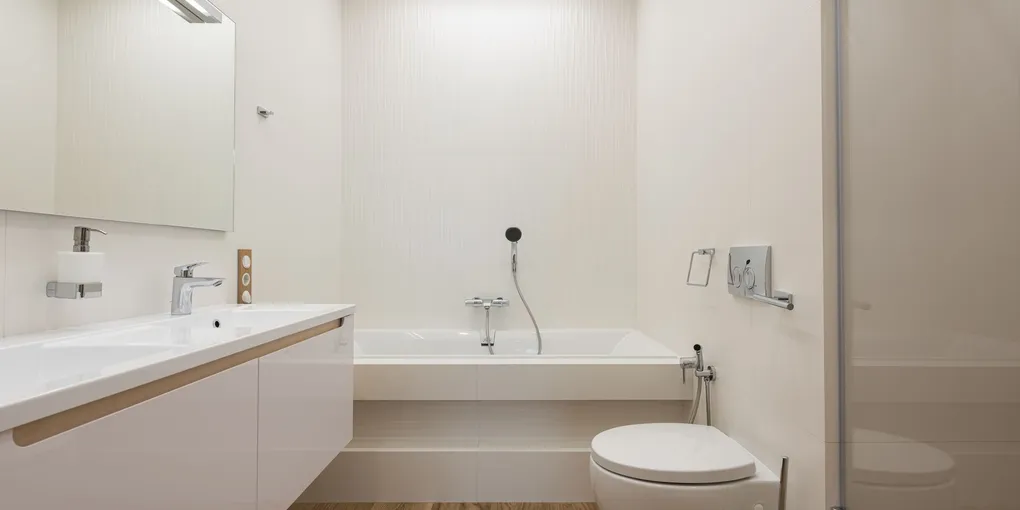
Wax ring replacement: (1) Shut off the supply valve behind the toilet and flush to drain the tank. (2) Disconnect the supply line and remove the two floor bolt caps and nuts. Rock the toilet gently to break the wax seal, then lift straight up. (3) Scrape off all old wax from both the toilet horn and the floor flange. (4) Place the new wax ring on the flange (wax side up) or on the toilet horn (wax side down) — either works. (5) Lower the toilet straight down onto the floor bolts, press firmly, and reinstall the nuts. Do not rock the toilet once it is seated — rocking distorts the wax seal. (6) Reconnect supply and test.
Frequently Asked Questions
How do I know if my toilet wax ring needs replacing?
Signs the wax ring has failed: (1) Water around the base of the toilet after flushing — a small puddle or dampness at the floor line is the classic sign. A wax ring that is failing lets water escape with each flush. (2) Toilet rocks when you sit on it — a rocking toilet breaks the wax seal over time. If the toilet rocks: tighten the floor bolts first (the plastic caps at the base). If it still rocks after tightening, the flange may be damaged or the bolts are stripped. (3) Sewer smell in the bathroom — a broken or dried wax ring allows sewer gas to escape around the toilet base. (4) Floor damage around the base — soft, discolored, or spongy floor around the toilet indicates a long-term wax ring leak. Address the floor damage after the wax ring repair or the new ring will fail for the same reason (rocking on a soft substrate).
What type of wax ring do I need?
Wax ring selection: (1) Standard wax ring — a plain ring of beeswax-based compound with no plastic extension horn. Use for standard installations where the flange is at floor level (flush with the finished floor surface). (2) Wax ring with plastic funnel extension (Johni-Ring, Fluidmaster Better Wax) — use when the flange sits BELOW the finished floor level (1/4 inch or more). The plastic funnel extends the seal downward to reach a low flange. (3) Extra-thick wax ring — double-thickness wax for flanges sitting up to 3/4 inch below the floor surface. (4) Wax-free alternatives (rubber gaskets: Fernco, Sani Seal) — useful for toilets that rock slightly because the rubber is more forgiving than wax. They cost more ($15–$20 vs. $5–$10) but allow minor toilet movement. (5) To determine which type: look at the flange level after removing the toilet. Flush with the floor = standard ring. Recessed 1/4 inch or more = extended funnel type.
How do I remove the toilet for wax ring replacement?
Toilet removal steps: (1) Turn off the supply valve (behind and to the right of the toilet). Flush and hold the handle until the tank empties. Remove the remaining water from the tank and bowl with a sponge or small cup. (2) Disconnect the water supply line from the bottom of the tank. (3) Remove the plastic caps at the toilet base to reveal the floor bolt nuts. Use an adjustable wrench to remove the nuts. If the bolts spin, grip the bolt head with pliers while turning the nut. (4) Rock the toilet gently side to side to break the wax seal — do not pry. (5) Lift the toilet straight up and set it on its side on a drop cloth or cardboard. The horn (the discharge opening at the bottom) and the wax ring will be visible. (6) Stuff a rag loosely into the floor drain opening to block sewer gases while you work.
How do I install the new wax ring and reset the toilet?
Wax ring installation and toilet reset: (1) Scrape all old wax from the floor flange and the toilet horn using a putty knife. The surfaces must be clean and dry. (2) Inspect the floor flange for cracks or damage. A broken flange that sits below floor level may need a repair ring (available at home centers for $10–$15) before setting the new wax ring. (3) Press two new floor bolts into the flange slots (if the old bolts were corroded — they are inexpensive and should be replaced during this repair). (4) Press the new wax ring onto the toilet horn (wax side down) or set it on the flange (wax side up) — both methods work. Wax ring on the horn is often easier to position correctly. (5) Lift the toilet over the bolts and lower it STRAIGHT DOWN. Do not rotate or rock once it makes contact with the wax. (6) Press firmly with your body weight to compress the wax fully — stand on the rim, one foot each side. (7) Install washers and nuts finger-tight, then snug with a wrench — do not overtighten. Porcelain cracks under excessive bolt torque.
The toilet still leaks after replacing the wax ring. What did I go wrong?
Causes of wax ring failure after replacement: (1) Toilet rocking on reinstall — if you rocked the toilet while pressing it down or after seating, the wax spread unevenly and the seal has a void. You must remove the toilet and start over with a fresh wax ring. (2) Wrong wax ring type — if the flange is recessed and you used a standard (non-extended) ring, the wax may not have reached the flange. Remove and replace with an extended funnel-type ring. (3) Damaged flange — a cracked or broken cast iron or PVC flange cannot support a wax ring seal. Repair or replace the flange before re-setting. (4) Overtightened floor bolts — cracked porcelain base or a distorted ring from overtightening. (5) Underlayment damage — if the subfloor around the flange is soft or rotted, the toilet sinks slightly when sat on, breaking the wax seal repeatedly. The floor must be repaired before a wax ring will hold.
Wax ring replacement: (1) Shut off the supply valve behind the toilet and flush to drain the tank. (2) Disconnect the supply line and remove the two floor bolt caps and nuts.
Set the toilet straight down onto the wax once — rocking after contact breaks the seal.
What you need
- Wax ring (standard or extended funnel type — match to flange depth)
- Adjustable wrench
- Putty knife (for old wax scraping)
- New floor bolts (inexpensive; replace while the toilet is off)
- Drop cloth or cardboard
- Sponge or small cup (for draining)
Step 1: Drain and disconnect
Shut off the supply valve. Flush and drain. Sponge out remaining water. Disconnect the supply line.
Step 2: Remove the toilet
Remove floor bolt nuts. Rock gently to break the wax seal. Lift straight up and set on its side. Stuff a rag in the drain opening.
Step 3: Clean and inspect
Scrape all old wax from the flange and toilet horn. Inspect the flange for cracks. Install new floor bolts.
Step 4: Set the new wax ring
Press the wax ring onto the toilet horn (wax facing down). Lower the toilet straight onto the floor bolts. Press firmly with body weight to fully compress the wax. Do not rock.
Step 5: Secure and test
Install washers and nuts — snug but not overtight. Reconnect supply line. Flush 3–4 times and inspect the base for any leakage.
Related guides
- How to Fix a Leaky Toilet Base — diagnosing supply vs. wax ring leaks at the base
- How to Install a Toilet — full toilet removal and installation
- How to Fix a Rocking Toilet — stabilizing a toilet on a damaged flange
- Drain and disconnect the toilet
Turn off the supply valve behind the toilet. Flush and hold until the tank drains. Sponge out remaining water from the tank and bowl. Disconnect the supply line from the tank bottom.
- Remove the toilet
Remove the plastic caps at the toilet base and unscrew the floor bolt nuts with an adjustable wrench (grip the bolt head with pliers if it spins). Gently rock the toilet side to side to break the wax seal — do not pry. Lift straight up and set the toilet on its side on cardboard. Stuff a rag into the floor drain opening to block sewer gas.
- Clean the flange and inspect
Scrape all old wax off the floor flange and toilet horn with a putty knife. Both surfaces must be clean and dry. Inspect the flange for cracks — a cracked flange needs a repair ring before setting the new wax ring. Replace the floor bolts with new ones (they are inexpensive and often corroded).
- Set the new wax ring
Press the new wax ring onto the toilet horn (wax side down) or set it on the flange (wax side up). Lower the toilet STRAIGHT DOWN over the floor bolts — do not rotate or rock once the wax contacts the floor. Press firmly with your body weight to fully compress the wax.
- Secure and test
Install washers and nuts on the floor bolts and snug with a wrench — do not overtighten (porcelain cracks under excessive torque). Reconnect the supply line. Flush 3–4 times and inspect the base for any seeping water. If water appears at the base: the wax ring was distorted during installation and must be replaced with a new ring.
Free: 10-Point Home Maintenance Checklist
Prevent costly repairs with this seasonal checklist. Save hundreds every year by catching problems early.
Your checklist is ready!
Open Checklist →Something went wrong. View the checklist here.