How to Install a Ceiling Fan With No Existing Wiring (2026): Without an Electrician
Install a ceiling fan where there is no existing wiring: run 14/2 cable through the wall or attic, install a fan-rated brace box, connect the switch loop. Most DIYers finish in 3–5 hours. Covers attic access vs. fishing through walls, plus when the job does need an electrician.
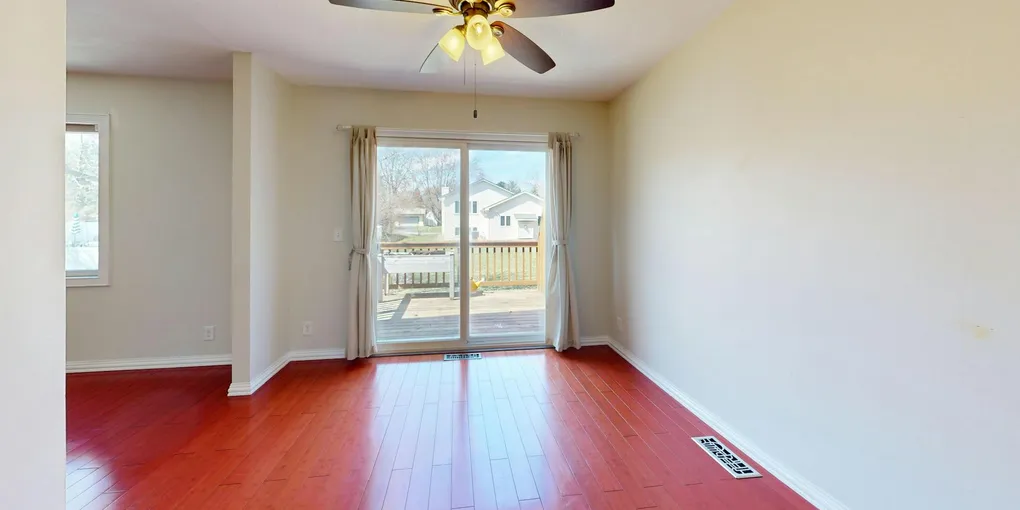
Installing a ceiling fan with no existing wiring costs $200-600 with an electrician, or $50-150 in materials if you DIY. The job requires running a new 14/2 or 12/2 cable from the nearest power source, installing a fan-rated ceiling box, and connecting the fan. Most homeowners should hire an electrician for this job due to permit requirements and the complexity of fishing wire through walls and ceilings.
Frequently Asked Questions
Can I install a ceiling fan where there is no light fixture?
Yes, but you will need to run new electrical wiring to the location. This involves fishing cable from a nearby junction box or switch, installing a fan-rated ceiling box between joists, and connecting the wiring. A permit and inspection are required in most areas.
How much does it cost to install a ceiling fan with new wiring?
An electrician typically charges $200-600 for running new wire and installing a ceiling fan. The cost depends on how far the cable needs to run, whether walls and ceilings need to be opened, and local labor rates. Materials cost $50-150 if you DIY.
Can I use a wireless ceiling fan instead of running new wire?
Battery-powered ceiling fans exist but are limited to very low airflow and short battery life. They are not a practical replacement for a wired ceiling fan. If running wire is truly impossible, a high-quality tower fan or pedestal fan is a better option.
Do I need a permit to install a ceiling fan?
Replacing an existing fixture usually does not require a permit. Running new electrical wiring always requires a permit and inspection in most jurisdictions. Check with your local building department before starting work.
What wire size do I need for a ceiling fan?
Use 14/2 NM-B (Romex) cable on a 15-amp circuit or 12/2 on a 20-amp circuit. Most ceiling fans draw less than 1 amp, so a 15-amp circuit with 14-gauge wire is sufficient unless the circuit also powers other loads.
How do I add a ceiling fan to a room with no overhead light or wiring?
Adding a ceiling fan to a room with no overhead wiring requires running new electrical cable to the fan location. The typical approach: (1) Choose a power source — the nearest circuit in the room (existing outlet or switch) or tap from a junction box in the attic above. (2) Turn off the circuit at the panel and verify power is off with a non-contact tester. (3) Install a fan-rated adjustable ceiling box between joists at the fan location. (4) Fish 14/2 NM-B cable from the power source to the fan box — through the attic (easiest), inside a wall to a new switch location, and up to the ceiling. (5) Connect the fan, wire the new switch, and restore power. The attic route is the most accessible for DIY — you can run cable along the top of the ceiling joists without opening walls. The permit requirement for this work is nearly universal — always check with your local building department before starting.
Can I tap an existing outlet to power a ceiling fan with no wiring?
Technically yes, but wall outlets and ceiling fans operate on different circuits and at different locations — tapping an outlet means running a cable up the wall, through the ceiling, and to the fan box. An outlet is on a 15 or 20-amp circuit that may already carry other loads; a ceiling fan adds less than 1 amp, so capacity is rarely an issue. The route challenge is concealing the new cable. In a room with an accessible attic above, run the cable from a junction box in the attic down to the wall switch location — this avoids opening finished walls entirely. In a room without attic access, a surface-mounted conduit is the no-drywall-damage alternative, though it is less aesthetic. An electrician can often complete this work by fishing wire with minimal wall damage ($200-400 including the switch and new fan-rated box).
Installing a ceiling fan with no existing wiring costs $200–$600 with an electrician, or $50–$150 in materials if you DIY. The job requires running a new 14/2 cable from the nearest power source, installing a fan-rated ceiling box, and adding a wall switch. Most homeowners finish in 3–5 hours. Attic access makes wire routing significantly easier — without it, you’re fishing wire through walls, which adds 1–2 hours. Most jurisdictions require a permit for new wiring.
Most ceiling fan installations are straightforward — remove the old light fixture, mount the fan to the existing box, connect the wires. But what if there’s no existing wiring where you want the fan? No junction box, no switch, nothing but drywall and joists above your head.
This guide covers the full process of installing a ceiling fan in a location with no existing electrical wiring. It’s a real project — not a 30-minute swap — but it’s doable for experienced DIYers and a routine job for any electrician.
Before You Start: Hire or DIY?
Hire an electrician if:
- You’re not comfortable working with electrical wiring
- Your local code requires a licensed electrician for new circuits
- The cable run is long (more than 20 feet) or crosses multiple walls
- You have an older home with plaster walls, knob-and-tube wiring, or an undersized panel
DIY is realistic if:
- You have experience with home electrical work
- You can access the attic or crawlspace above the ceiling
- The cable run is short and doesn’t cross walls
- You’re comfortable pulling permits and scheduling an inspection
Electrician cost: $200-600 depending on complexity and local rates. DIY materials cost: $50-150.
What You’ll Need
Materials:
- 14/2 NM-B (Romex) cable — enough to run from the power source to the fan location plus 2 extra feet at each end
- Fan-rated ceiling box ($8-15) — NOT a standard light fixture box
- Single-pole wall switch ($3-5) and switch box if needed
- Wire connectors (wire nuts or Wago lever connectors)
- Cable staples
- Electrical tape
- The ceiling fan itself
Tools:
- Voltage tester (non-contact type)
- Wire strippers
- Cordless drill with 3/4” spade bit or hole saw
- Fish tape or fiberglass fishing rods ($15-25)
- Drywall saw
- Stud finder
- Screwdrivers (flathead and Phillips)
- Ladder
Step 1: Plan the Cable Route
The hardest part of this job isn’t the wiring — it’s getting the cable from point A to point B.
Ideal scenario: Attic access directly above the fan location. You can lay cable across joists in the attic, drill down through the top plate of the wall to reach the switch, and drop a cable to the ceiling box. This is the easiest route and takes 1-2 hours.
Harder scenario: No attic access. You’ll need to fish cable through the ceiling cavity and possibly through walls. This means cutting small access holes in the drywall, using fish tape to pull cable through, and patching the holes after.
Identify your power source: The closest existing circuit that has capacity for the fan (typically less than 1 amp). Options include:
- An existing junction box in the attic
- A nearby outlet circuit (if the circuit isn’t heavily loaded)
- A new dedicated circuit from the panel (most reliable, but more work)
Turn off power to whatever circuit you plan to tap into. Verify with a voltage tester. Lock the breaker or tape it. See our guide on resetting a tripped circuit breaker to familiarize yourself with your panel before starting.
Step 2: Install the Fan-Rated Ceiling Box
This is the most important step for safety. A ceiling fan weighs 15-50 lbs and vibrates constantly. A standard light fixture box will eventually pull loose and drop the fan.
If you have attic access:
- Mark the fan location on the ceiling from below.
- From the attic, locate the mark between two joists.
- Attach a fan-rated box to a 2x4 support spanning between the joists, or use an expandable fan brace bar.
- Cut the hole in the ceiling from below to match the box.
If you don’t have attic access:
- Use an expandable brace fan box designed for retrofit (old-work) installation.
- Cut a 4” hole in the ceiling at your fan location (between joists — use a stud finder first).
- Insert the brace through the hole, expand it until it grips both joists, and tighten.
- Attach the fan box to the brace.
The box must be rated for a minimum of 35 lbs (static) and 70 lbs (dynamic, accounting for vibration). This will be printed on the box.
Step 3: Run the Cable
With attic access:
- Drill a 3/4” hole through the top plate of the wall where the switch will go.
- Run 14/2 NM-B cable from your power source to the fan box, stapling every 4.5 feet and within 12 inches of each box.
- Run a second cable from the fan box down through the top plate to the switch location.
- Leave 8-10 inches of extra cable at each box for connections.
Without attic access (fishing through ceiling):
- Cut a small hole at the switch location (use the same hole for the switch box).
- Use fish tape: push it from the switch hole up through the wall cavity, across the ceiling cavity, and out through the fan box hole.
- Attach the cable to the fish tape and pull it back through.
- This is the most frustrating part. Insulation, fire blocks, and unexpected obstacles slow you down. A helper at the other end makes a huge difference.
Cable run tips:
- Don’t run NM cable in conduit unless your local code requires it
- Keep cable at least 1.25” from the edge of joists and studs (or use nail plates)
- Label your cables at each box so you know what connects where
Step 4: Wire the Switch
- Install a single-gang old-work box at the switch location.
- Strip the cable sheath back 8 inches. Strip individual wires 3/4 inch.
- Connect the black (hot) wire from the power source to one terminal on the switch.
- Connect the black wire going to the fan to the other terminal.
- Connect the white (neutral) wires together with a wire nut. They don’t connect to the switch.
- Connect the bare copper (ground) wires together and pigtail one to the green screw on the switch.
- Push the wires into the box, screw in the switch, and install the cover plate.
Want separate fan and light control? Run 14/3 cable (has an extra red wire) between the switch and the fan. Use a double switch — one for the fan motor (black), one for the light kit (red).
Step 5: Wire the Ceiling Fan
- Follow the fan manufacturer’s wiring instructions — they vary by model.
- Standard connections:
- Black (hot from switch) → black (fan motor)
- White (neutral) → white (fan)
- Bare copper (ground) → green (fan ground) and the box ground screw
- If using 14/3: red → blue (fan light kit)
- Use wire nuts or Wago connectors. Tug each connection to verify it’s secure.
- Tuck the wires into the ceiling box. Mount the fan bracket to the box per the manufacturer’s instructions.
Step 6: Mount the Fan
- Hang the fan motor on the mounting bracket (most fans have a hook or ball-and-socket mount for this).
- Attach the fan blades.
- Install the light kit if applicable.
- Turn on the breaker. Test the switch. Check that the fan runs on all speeds without wobbling.
If the fan wobbles: Use a fan balancing kit ($5 — usually included with the fan). Clip the balance weight to each blade one at a time, run the fan, and identify which blade reduces the wobble. Apply the adhesive weight to that blade.
Permit and Inspection
Running new electrical wiring requires a permit in virtually all jurisdictions. The process:
- Apply for an electrical permit at your local building department ($25-75).
- Do the work.
- Schedule an inspection before closing up any walls.
- The inspector checks: wire gauge, box fill, connections, grounding, and that the box is fan-rated.
- Close up any access holes after passing inspection.
Skipping the permit is a bad idea. Unpermitted electrical work creates liability if there’s a fire, and it shows up on a home inspection when you sell.
Total Cost Summary
| Item | DIY Cost | With Electrician |
|---|---|---|
| Ceiling fan | $80-300 | $80-300 |
| Fan-rated box + brace | $12-20 | included |
| 14/2 cable (25 ft) | $15-25 | included |
| Switch + box | $8-12 | included |
| Misc (connectors, staples, tape) | $10-15 | included |
| Permit | $25-75 | $25-75 |
| Labor | $0 | $200-400 |
| Total | $150-450 | $400-800 |
For most homeowners, hiring an electrician for the wiring and then mounting the fan yourself is the best compromise — safe wiring, lower labor cost since fan mounting is straightforward.
Related Reading
- How Much Does It Cost to Install a Ceiling Fan — standard replacement pricing
- Best Ceiling Fans for Large Rooms — fan recommendations by room size
- How to Install a Dimmer Switch — related electrical DIY
- How to Replace a Light Switch — basic switch wiring for this project
- How to Reset a Tripped Circuit Breaker — electrical panel basics
- Electrician Cost Guide — new circuit installation pricing when you hire out the wiring
- Handyman Cost — handymen handle fan mounting; electricians handle the new wiring
- Plan the Cable Route
The hardest part of this job isn't the wiring — it's getting the cable from point A to point B.
- Install the Fan-Rated Ceiling Box
This is the most important step for safety. A ceiling fan weighs 15-50 lbs and vibrates constantly. A standard light fixture box will eventually pull loose and drop the fan.
- Run the Cable
Drill a 3/4" hole through the top plate of the wall where the switch will go.
- Wire the Switch
Install a single-gang old-work box at the switch location.
- Wire the Ceiling Fan
Follow the fan manufacturer's wiring instructions — they vary by model.
- Mount the Fan
Hang the fan motor on the mounting bracket (most fans have a hook or ball-and-socket mount for this).
Free: 10-Point Home Maintenance Checklist
Prevent costly repairs with this seasonal checklist. Save hundreds every year by catching problems early.
Your checklist is ready!
Open Checklist →Something went wrong. View the checklist here.