How to Fix Wood Rot: Epoxy Filler Repair and When to Replace the Board (2026)
Soft, spongy wood caused by rot can be repaired with a two-part epoxy system when the structural wood beneath is still sound. This guide covers diagnosing rot extent, consolidant treatment, epoxy filler application, and when replacement is the better option.
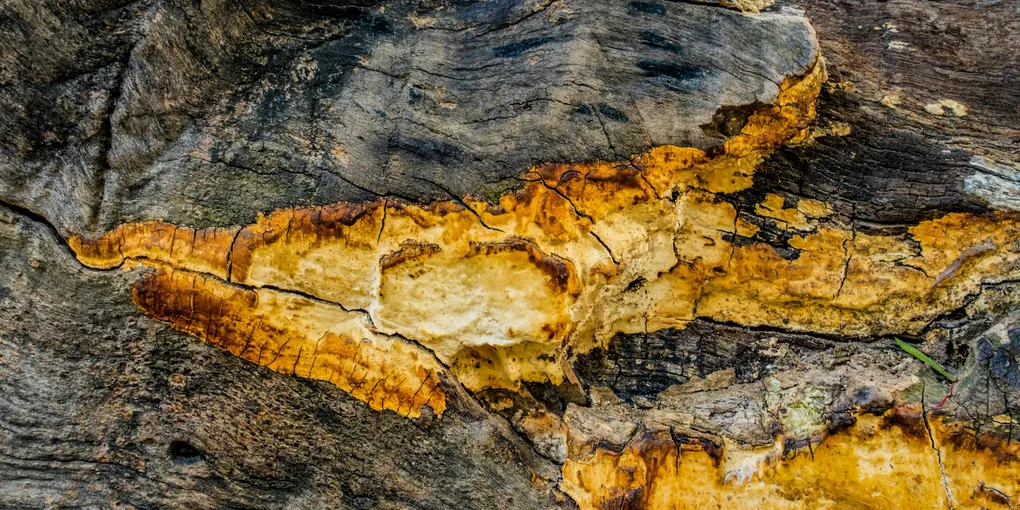
Wood rot repair with epoxy: (1) Probe the rotted area with a screwdriver — remove all soft material until you reach solid wood. (2) Treat the remaining solid wood with a liquid consolidant (Minwax High Performance Wood Hardener or Abatron LiquidWood) — this penetrates and hardens the degraded wood fiber. Let dry. (3) Fill the excavated area with a two-part epoxy wood filler (Bondo Wood Filler, Abatron WoodEpox, Minwax Wood Filler). Shape, let cure. Sand, prime, paint. Epoxy repairs last decades — they don't re-rot, don't absorb moisture, and accept paint normally.
Frequently Asked Questions
How do I know if wood rot can be repaired or if the board needs to be replaced?
Repair with epoxy when: the rot is contained to one area, the surrounding wood is structurally sound, and the board retains most of its structural integrity. Replace the board when: rot extends through the full width or most of the length, the board is structurally critical (a structural joist, a load-bearing post) and more than 20% is damaged, or the rot source (water intrusion) hasn't been fixed (the repair will re-rot). A rough test: if the screwdriver probe reveals solid wood within 1–2 inches of the visible rot, an epoxy repair is likely viable. If you find soft material extending deep in multiple directions: replacement is usually more cost-effective.
What is a wood consolidant and why is it necessary before epoxy filling?
A wood consolidant is a penetrating liquid (usually epoxy or borate-based) that soaks into degraded wood fiber and binds the loose, dried-out structure back together. Rotted wood that hasn't been treated with consolidant is too porous and powdery to provide a good bond for the filler — the filler will pop off within a few years. The consolidant acts as a primer and structural treatment: it flows into the wood grain, seeps into small voids, and hardens the substrate so the epoxy filler has a solid surface to bond to. Let the consolidant cure fully (usually 24 hours) before applying filler.
Can I use regular Bondo (auto body filler) for wood rot repair?
Yes — regular Bondo polyester filler works on wood and is commonly used for exterior wood rot repair on trim, windows, and doors. It's cheaper than purpose-made wood epoxy filler, cures quickly, sands well, and accepts paint. Limitations: standard Bondo is less flexible than two-part epoxy wood fillers (it can crack in moving wood like exterior doors), and it's not recommended for in-ground applications. For most trim and siding repairs: Bondo or a similar polyester filler is a practical, cost-effective choice. For structural repairs or where the board flexes: use a true two-part epoxy filler.
The rot is at the base of a wooden post. How do I repair that?
Post base rot is the most common wood rot location — the post sits in a wet environment (in-ground or on a concrete pad that holds moisture). For above-ground rot (the post is sitting on a concrete pad or metal standoff): remove the rotted section with a chisel, treat with consolidant, rebuild with epoxy filler. Add a metal post base bracket under the repair to lift the wood slightly off the concrete and allow drainage. For in-ground rot: remove all rotted material, treat the remaining solid wood with borate wood preservative, and consider adding a metal sleeve around the post base to create a barrier against soil contact. If the rot extends below grade and the post is load-bearing: replacement is the only reliable fix.
How do I prevent wood rot from returning after the repair?
Preventing rot recurrence: (1) Seal all repaired surfaces with two coats of oil-based primer before painting — this is the most important step. (2) Apply exterior caulk to all joints, seams, and gaps near the repair — water entry points must be sealed. (3) Fix the moisture source (leaking gutter, insufficient roof overhang, poor drainage) that caused the original rot. (4) Apply a borate wood preservative to all exposed end grain — end grain is the primary moisture entry point. (5) Paint with a 100% acrylic exterior paint and recoat every 5–7 years before the coating fails and exposes bare wood.
Wood rot repair with epoxy: (1) Probe the rotted area with a screwdriver — remove all soft material until you reach solid wood. (2) Treat the remaining solid wood with a liquid consolidant (Minwax High Performance Wood Hardener or Abatron LiquidWood) — this penetrates and hardens the degraded wood fiber.
Remove all soft material first — epoxy applied over rotted wood will separate within a year.
What you need
- Wood hardener / consolidant (Minwax Wood Hardener or Abatron LiquidWood)
- Two-part epoxy wood filler (Abatron WoodEpox, Elmer’s E761, or Bondo Wood Filler)
- Screwdriver or awl (for probing)
- Chisel and stiff brush
- Sandpaper (80-grit and 120-grit)
- Exterior oil-based primer
- Exterior paint
Step 1: Probe and remove all rotted wood
Use a screwdriver to test the wood — press firmly. Soft wood = rot; remove it all. Use a chisel to excavate rotted material until every surface feels solid. Don’t leave any soft wood behind. Brush out debris.
Step 2: Apply consolidant
Pour or brush liquid wood consolidant into the excavated area and onto the surrounding sound wood. Apply liberally — the consolidant should penetrate into the wood grain. Let it soak in for 10–15 minutes, apply a second coat, and let cure per label (typically 24 hours).
Step 3: Fill with epoxy
Mix the two-part epoxy filler per instructions (usually 1:1 ratio — work quickly, 10–15 minute working time). Pack the filler into the excavated area, pressing firmly to eliminate air voids. Build up slightly above the surface to allow for sanding.
Shape the filler while still soft with a putty knife or gloved hands to approximate the final form.
Step 4: Sand and finish
Let cure fully (usually 30–60 minutes for handling, 24 hours for sanding). Sand with 80-grit to shape, then 120-grit to smooth.
Apply two coats of oil-based exterior primer. Caulk all adjacent seams and gaps. Apply exterior paint.
Related guides
- How to Fix Peeling Exterior Paint — painting the wood after rot repair
- How to Fix a Broken Door Frame — door frame rot repair with similar epoxy technique
- How to Fix Deck Boards — deck board replacement when rot is too extensive for epoxy repair
- How to Repair Soffit and Fascia — epoxy and board replacement for roof edge rot
- Probe and excavate all rotted wood
Press a screwdriver firmly into all suspect areas. Soft penetration = rot; hard resistance = sound wood. Remove all soft material with a chisel — don't leave any rotted wood behind, as epoxy applied over rotted substrate will separate within a year. Excavate until every surface gives firm resistance to the screwdriver. Brush out all debris. If soft material extends through the full depth or most of the board's length, replacement is more cost-effective than repair.
- Apply liquid consolidant
Pour or brush liquid wood consolidant (Minwax High Performance Wood Hardener or Abatron LiquidWood) generously into the excavated area and onto the surrounding solid wood. The consolidant soaks into degraded wood fibers and hardens them, creating a stable surface for the filler to bond to. Apply a second coat after 10–15 minutes. Let cure per label — typically 24 hours. Do not skip consolidant: epoxy filler over untreated rotted wood will pop off within a few years.
- Fill with two-part epoxy filler
Mix the two-part epoxy filler per instructions (usually 1:1 ratio). Working time is 10–15 minutes — mix only what you can use immediately. Pack the filler firmly into the excavated area, pressing to eliminate air voids. Build slightly above the final surface to allow for sanding. Shape while still soft with a putty knife or gloved hands to approximate the finished form. Let cure 30–60 minutes for handling, 24 hours for sanding.
- Sand, prime, and paint
Sand with 80-grit to shape, then 120-grit to smooth. Apply two coats of oil-based exterior primer to the repair and all adjacent bare wood — this is the critical step that prevents re-rotting. Apply exterior caulk to all seams, gaps, and joints adjacent to the repair. Paint with 100% acrylic exterior paint. Also fix the moisture source (leaking gutter, missing flashing) that caused the original rot — epoxy repairs are durable but the surrounding wood will rot again if the water entry continues.
Free: 10-Point Home Maintenance Checklist
Prevent costly repairs with this seasonal checklist. Save hundreds every year by catching problems early.
Your checklist is ready!
Open Checklist →Something went wrong. View the checklist here.