How to Fix Noisy Pipes: Banging, Whistling, and Rattling (2026)
Pipes that bang when the water shuts off (water hammer), whistle when a faucet is open, or rattle inside walls all have specific causes and fixes. This guide covers diagnosing which type of noise you have and the correct repair for each.
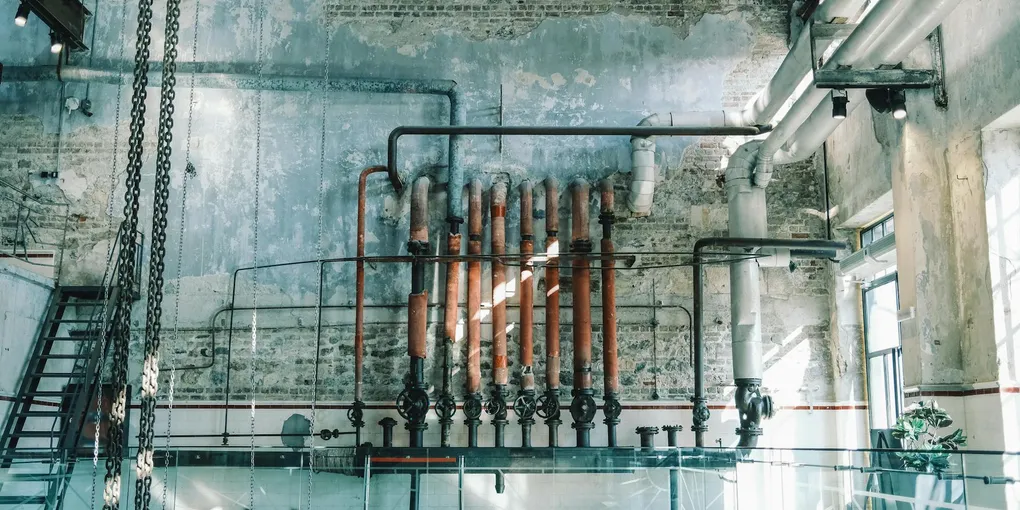
A loud bang when you shut off a faucet or the washing machine stops filling is water hammer — a pressure wave from the sudden valve closure. The fix is a water hammer arrestor ($15–$25) installed at the fixture supply line. A high-pitched whistle when the water is running is usually a worn valve washer or a defective fill valve in the toilet. Rattling pipes inside a wall usually means a pipe support strap has come loose — accessible from the basement or a crawl space.
Frequently Asked Questions
What is water hammer and why does it happen?
Water hammer is the shockwave created when fast-moving water in a pipe is suddenly stopped — by a valve closing, a washing machine inlet solenoid shutting off, or a dishwasher cycle ending. The kinetic energy of the moving water converts to pressure when it hits the closed valve, creating a bang or thud that travels through the pipes and walls. Older homes had air chambers (standpipes of air) to cushion this, but the air gets waterlogged over time. The modern fix is a sealed water hammer arrestor with a permanent air-backed piston.
Where do I install a water hammer arrestor?
Install a water hammer arrestor on the supply line closest to the fixture causing the noise. For a washing machine: connect an arrestor to each hot and cold supply line at the hose bib behind the machine. For a dishwasher: install on the hot supply under the sink. For a general banging throughout the house: install on the main hot and cold lines near the water heater or main shutoff. Arrestors have standard 1/2-inch female thread connectors that fit most supply line setups.
What causes a high-pitched whistle or squealing from pipes?
Three common causes: (1) A worn faucet washer — a failing washer vibrates as water passes over it, creating a squeal at specific flow rates. Replacing the washer eliminates it. (2) A failing toilet fill valve — as the valve nears shutoff, it whistles or hums. Replace the fill valve. (3) A pressure issue — if water pressure is above 80 PSI, pipes and fixtures can resonate. Check pressure with a gauge; if over 80 PSI, adjust the pressure reducing valve (PRV). Over-pressurization also stresses fixtures and causes leaks.
How do I stop pipes from rattling in the walls?
Rattling is caused by pipes that are loose — either the support straps came loose, were never installed, or the pipe has expanded and contracted enough to loosen the straps. If you can access the pipe (basement, crawl space, open wall): add or replace pipe support straps or clips every 4–6 feet for horizontal runs, and at each floor penetration for vertical runs. For pipes inside finished walls that can't be accessed: pipe insulation foam sometimes cushions the movement enough to eliminate the rattle — if there's a gap at a penetration point, you can inject expanding foam around the pipe.
My pipes tick and creak in the morning when the heat first comes on. Is this a problem?
Thermal expansion creaking from hot water pipes is normal and not a problem. As hot water enters cold pipes, the pipe material (copper especially) expands and rubs against framing — the creak you hear. This is more pronounced with PEX (flexible plastic pipe), which expands more than copper. The fix: add foam insulation around pipes at the points where they pass through framing or joists — this cushions the expansion. It's a comfort fix, not a safety repair.
A loud bang when you shut off a faucet or the washing machine stops filling is water hammer — a pressure wave from the sudden valve closure. The fix is a water hammer arrestor ($15–$25) installed at the fixture supply line.
Noisy pipes are almost always diagnosable by when the noise occurs.
What you need
- Water hammer arrestors (for banging from appliances)
- Pipe support straps (for rattling)
- Faucet washers (for whistling at faucets)
- Toilet fill valve (for toilet hum/whistle)
- Water pressure gauge (to check for over-pressure)
- Pipe insulation foam (for thermal creak)
Fix 1: Water hammer (banging when water shuts off)
Washing machine: Turn off the water supply. Unscrew the hose connections from the wall. Install a water hammer arrestor on each connection (hot and cold), then reconnect the hoses. The arrestors absorb the shock.
Dishwasher: Install an arrestor on the hot water supply under the sink, at the stop valve connection.
Whole house banging: Install arrestors on the hot and cold main lines near the water heater.
Fix 2: Whistling or squealing at a faucet
Identify which faucet squeals. Turn the water off at the shutoff for that fixture. Remove the handle and stem, replace the seat washer at the stem tip. Reassemble and test.
If the squeal comes from the toilet: replace the fill valve.
Fix 3: Rattling pipes
Access the basement or crawl space. With the water running, listen and feel for which pipe is vibrating. Add a pipe support strap at the loose section — anchor the strap to the joist or framing, spacing straps every 4–6 feet.
Fix 4: Thermal creak
Wrap foam pipe insulation around the pipes at the points where they pass through wood framing — the foam acts as a cushion. Available in split-foam tubes that snap around the pipe.
Related guides
- How to Fix a Leaky Pipe — pipe repairs while pipes are accessible
- How to Fix Low Water Pressure — pressure issues that also cause noise
- How to Winterize Your Home — pipe insulation to prevent cold-weather noise and freezing
- Fix water hammer (banging when water shuts off)
A bang or thud when a valve closes — most common from washing machines, dishwashers, or toilets — is water hammer. Install a water hammer arrestor on the supply line closest to the cause: for a washing machine, add an arrestor to each hot and cold supply hose connection at the wall bib. For a dishwasher: install on the hot supply under the sink at the stop valve. Arrestors have standard 1/2-inch female thread connectors and install in minutes without soldering.
- Fix whistling or squealing at a faucet
A high-pitched squeal at a specific faucet when the water is running is usually a worn seat washer vibrating under flow. Turn off the supply valve at that fixture. Remove the faucet handle and stem, then replace the seat washer at the stem tip. Reassemble and test. If the squeal comes from the toilet: replace the fill valve — a failing fill valve whistles or hums as it nears shutoff. Also check water pressure: above 80 PSI causes pipe resonance — test with a gauge and adjust the pressure reducing valve (PRV) if needed.
- Fix rattling pipes
Rattling while water is running means a pipe support strap has loosened or was never installed. Access the basement, crawl space, or under-stair area with the water running and feel for which pipe vibrates. Add or replace pipe support straps at the loose section, spacing them every 4–6 feet on horizontal runs. For pipes inside finished walls that can't be accessed: foam pipe insulation injected around the pipe at penetration points sometimes cushions the movement enough to eliminate the rattle.
- Fix thermal creak
Ticking or creaking when hot water first flows into cold pipes is thermal expansion — copper (and especially PEX) expands as it heats and rubs against wood framing. This is harmless and not a structural issue. The fix: wrap foam pipe insulation (split-foam tubes that snap around the pipe) around the sections where pipes pass through joists or framing. The foam cushions expansion contact. No cutting or soldering required.
Free: 10-Point Home Maintenance Checklist
Prevent costly repairs with this seasonal checklist. Save hundreds every year by catching problems early.
Your checklist is ready!
Open Checklist →Something went wrong. View the checklist here.