How to Fix a Water Damaged Wall: Drywall Repair After a Leak
Dry out, cut out, treat for mold, and patch water-damaged drywall — with texture matching tips so the repair disappears.
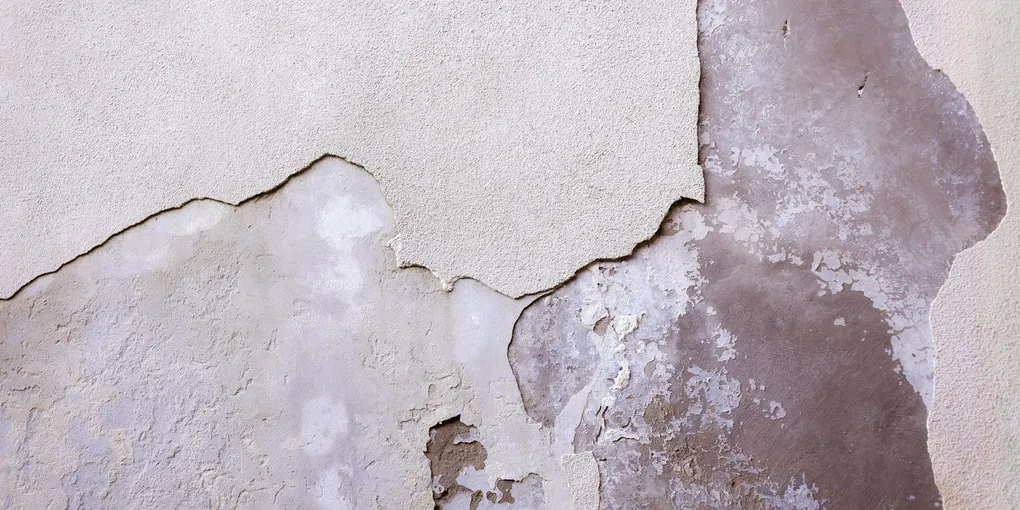
Water damage is one of the most common drywall repairs homeowners face, and one of the most important to do correctly. Rushing it — patching over damp material or skipping mold treatment — creates a much bigger and more expensive problem later.
Water damage is one of the most common drywall repairs homeowners face, and one of the most important to do correctly. Rushing it — patching over damp material or skipping mold treatment — creates a much bigger and more expensive problem later. Done right, this repair produces a wall you can’t tell was ever damaged.
What You Need
- Moisture meter (pin type) — to confirm the wall cavity is dry before closing
- Mold-killing primer (Zinsser Mold Killing Primer) — for treating framing and new drywall
- Drywall joint compound (all-purpose) — for taping and finishing the patch
- Drywall tape (paper or mesh) — for seaming the patch
- Aerosol wall texture spray (orange peel) — for matching common wall texture
- Drywall patch kit (California patch) — for smaller damaged sections
Step 1: Stop the Source First
No repair lasts if the water is still coming in. Before cutting out a single inch of drywall, find and fix the source:
- Roof leak: look for missing shingles, failed flashing around chimneys and pipes, or damaged valley seams
- Plumbing leak: check supply lines, drain connections, shutoff valves, and wax ring seals
- Window or door leak: failed caulk, damaged flashing, or improper install allowing water intrusion at the frame
- Condensation: insufficient insulation, HVAC condensate line overflow, or inadequate bathroom ventilation
If the source is still active, every repair you make is temporary. Confirm the leak is resolved before proceeding — run water through fixtures, wait for rain, or observe the wall over 24–48 hours after the suspected fix.
Step 2: Dry Out the Wall Cavity
Once the source is fixed, dry the wall cavity aggressively.
Remove baseboard trim if the damage is low on the wall — baseboards trap moisture against the wall and block airflow. Set up fans blowing directly at the damaged area and run a dehumidifier in the room. Open the wall cavity by cutting a ventilation hole 6–12 inches above the visible damage line — this lets warm, dry air circulate behind the wall.
Use your moisture meter to check the studs, plates, and the back of undamaged drywall sections. Target below 15% moisture content before closing the wall. This typically takes 3–7 days with fans running continuously. In humid climates or with large leaks, give it longer.
Do not use heat guns to accelerate drying — excessively rapid drying can warp studs and crack tiles in adjacent areas.
Step 3: Remove All Damaged Drywall
Probe the damaged area by pressing firmly with your thumb. Soft, spongy, or crumbling drywall must come out. Also remove any drywall with bubbling paper, visible mold (black, green, or fuzzy spots), or a musty odor.
Cut to the studs. Use a drywall saw or oscillating tool to cut along the center of the nearest stud on each side of the damaged area. Cutting to stud centers gives you nailing surfaces for the new patch. Mark the stud centers on the wall surface before cutting.
Cut beyond visible damage. Extend your cut at least 6–12 inches beyond any visible staining, discoloration, or soft spots. Water wicks farther than the visible damage line — you’ll often find wet material 4–6 inches past where the damage looks like it ends.
Remove carefully. If there is insulation in the wall cavity, pull it out and inspect it. Wet fiberglass batt insulation cannot be dried effectively and must be replaced. Wet spray foam or rigid foam can often be dried in place — inspect carefully for mold.
Step 4: Treat for Mold
Even if you don’t see visible mold on the framing, treat it — mold spores are present in every home and wet wood is a ready culture medium.
Scrub visible mold first. Use a stiff bristle brush to physically remove surface mold from studs and plates. Do this before applying any treatment — applying primer or solution over mold without removing it first is ineffective.
Apply mold-killing primer or diluted bleach. Spray or brush a mold-killing primer (EPA-registered products are preferred) or a diluted bleach solution (1 cup bleach to 1 gallon water) on all framing surfaces in the opened cavity. Let it penetrate for 15 minutes, then allow to dry with fans running.
Let it dry completely. Do not close the wall until the framing is completely dry. Moisture trapped under primer is still moisture — it will allow mold to grow beneath the treatment coating.
If mold is extensive: More than 10 square feet of mold on framing is generally the threshold for professional remediation under EPA guidelines. Deep mold penetration into wood (not just surface staining) also warrants professional assessment. Trust your instincts — if the scope seems beyond a surface treatment, consult a remediator before closing the wall.
Step 5: Install the Drywall Patch
For patches that span between two studs, install new drywall by screwing it directly to the stud faces. Use 1/2-inch drywall for walls (matching most existing residential wall thickness), or measure the thickness of the removed material to confirm.
Driving screws: Drywall screws should be driven just below the surface without breaking the paper — the screw head makes a slight dimple but doesn’t punch through. Use a drywall screw gun or a drill with a dimpler bit.
For patches smaller than a stud bay: Use a California patch (also called a hot patch). Cut the patch piece larger than the hole, score the back paper only, and snap to remove the backing gypsum while leaving the face paper intact as a built-in tape. The face paper overlaps the existing wall and gets embedded in joint compound. This method requires no backing boards and works well for holes up to about 6 inches.
For larger patches without stud access: Install wood backing (1x4 or 2x4 nailer) by slipping it into the cavity and screwing through the existing drywall face into the nailer edges. This creates a nailing surface for the patch piece.
Step 6: Tape and Mud the Seams
Water damage repairs require the same taping and finishing process as any drywall patch — three coats of joint compound minimum.
First coat (embedding coat): Apply joint compound over the seams, embed paper tape or press mesh tape into it, and feather the compound 4–6 inches on each side of the seam. Embed screw dimples with a thin coat. Let dry completely (typically 24 hours — compound is still wet if it’s not uniformly white).
Second coat (blocking coat): Apply a wider, thinner coat over the first, feathering to 8–10 inches. This coat fills the edges left by the tape and screw heads.
Third coat (finish coat): Thin the compound slightly with water to a creamy consistency. Apply a very thin skim coat over the previous work, feathering to 12 inches or more. Sand smooth with 120-grit once dry, then 150-grit for finish.
Prime the repair: Apply a coat of drywall primer (or the mold-killing primer if you want added protection) before texturing or painting. Unprimed joint compound absorbs paint unevenly, leaving visible “flashing” (dull spots) in the finished paint.
Step 7: Match the Existing Wall Texture
Texture matching is where most DIY repairs stand out — or disappear. Examine the existing wall texture closely in raking light (hold a flashlight nearly parallel to the surface).
Orange peel: The most common texture. Looks like the skin of an orange — small, irregular dimples. Use an aerosol orange peel texture can, holding it 18–24 inches from the wall. Practice the spray distance and motion on cardboard first — aerosol cans apply heavier texture than most hopper guns. Feather the texture into the surrounding area before it dries.
Knockdown: Irregular flat splats with smooth knock-down marks. Spray or stipple drywall compound onto the surface, let it partially set (5–10 minutes), then lightly drag a wide drywall knife over the surface to knock the peaks flat. The key is the timing — too wet and you smear everything, too dry and you pull material off.
Smooth: Requires a skim coat of compound over the entire patch, sanded perfectly smooth with 150-grit followed by 220-grit, and primed. Any imperfection in a smooth finish shows — this is the most demanding texture to match perfectly.
Sand texture: Very fine grit in the paint. Often matched by adding sand texture additive to the finish coat of paint rather than applying separate texture compound.
After texturing, prime again, then paint with matching paint. Rolling paint is usually the best approach — brushing shows lap marks on textured surfaces.
Related Reading
- How to Patch a Drywall Hole — standard drywall patch techniques for non-water damage holes
- How Much Does Drywall Repair Cost? — cost guide if you’re considering hiring out the work
- Mold Remediation Cost — when the mold is more than a surface issue
- Stop the Source First
No repair lasts if the water is still coming in. Before cutting out a single inch of drywall, find and fix the source:
- Dry Out the Wall Cavity
Once the source is fixed, dry the wall cavity aggressively.
- Remove All Damaged Drywall
Probe the damaged area by pressing firmly with your thumb. Soft, spongy, or crumbling drywall must come out. Also remove any drywall with bubbling paper, visible mold (black, green, or fuzzy spots), or a musty odor.
- Treat for Mold
Even if you don't see visible mold on the framing, treat it — mold spores are present in every home and wet wood is a ready culture medium.
- Install the Drywall Patch
For patches that span between two studs, install new drywall by screwing it directly to the stud faces. Use 1/2-inch drywall for walls (matching most existing residential wall thickness), or measure the thickness of the removed material to confirm.
- Tape and Mud the Seams
Water damage repairs require the same taping and finishing process as any drywall patch — three coats of joint compound minimum.
Free: 10-Point Home Maintenance Checklist
Prevent costly repairs with this seasonal checklist. Save hundreds every year by catching problems early.
Your checklist is ready!
Open Checklist →Something went wrong. View the checklist here.