How to Fix a Sticky Door Lock
Diagnose and fix a stiff or sticky door lock by cleaning, lubricating, or adjusting the strike plate and latch mechanism yourself.
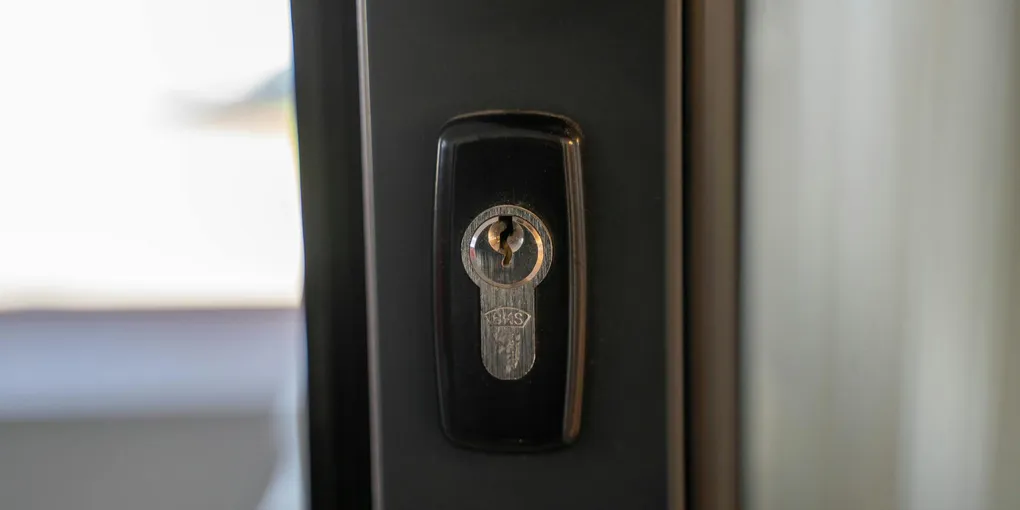
A sticky door lock is frustrating and, in a security-critical location like a front door, worth fixing promptly. The good news is that most sticky locks respond to a simple cleaning and lubrication — no locksmith required.
A sticky door lock is frustrating and, in a security-critical location like a front door, worth fixing promptly. The good news is that most sticky locks respond to a simple cleaning and lubrication — no locksmith required. This guide walks through every cause and fix in order from simplest to most involved.
Why Locks Get Sticky
Before reaching for a tool, it helps to understand what is actually happening inside the lock:
- Dirt and debris in the cylinder: Dust, worn key metal, and grit accumulate in pin tumbler locks over years. The pins drag instead of spring freely.
- Lack of lubrication: Metal-on-metal friction increases as the original factory lubricant dries out.
- Misaligned strike plate: The latch bolt is hitting the edge of the strike plate opening rather than entering smoothly.
- Door or frame movement: Seasonal wood expansion and contraction, settling foundations, or hinge wear can shift the door enough that the latch and strike plate no longer line up.
- Worn key or cylinder: High-use locks eventually develop wear that makes turning imprecise.
What You Will Need
- Dry graphite lubricant spray or powder
- Silicone spray lubricant
- WD-40 Specialist Dry Lube (Teflon-based, not standard WD-40)
- Phillips screwdriver
- Chisel and hammer (for strike plate adjustment)
- Lipstick or marking pen (for alignment diagnosis)
- Wood filler (optional, for strike plate repositioning)
Step 1: Try Lubrication First
This solves the majority of sticky lock problems and takes under five minutes.
Insert the nozzle of a dry graphite or PTFE spray into the keyhole and apply two or three short bursts. Insert your key and work it in and out 10 to 15 times to distribute the lubricant throughout the pin chambers. Then turn the key through its full rotation repeatedly.
For the latch bolt itself, spray silicone lubricant on the exposed bolt face and work the knob or lever back and forth to coat the mechanism. Also spray the latch bolt where it contacts the strike plate.
Do not use standard WD-40 inside the keyhole. It works initially but leaves an oily residue that attracts dirt, worsening the problem within weeks.
Step 2: Clean the Cylinder
If lubrication alone does not fix it, the cylinder may be packed with grit. Purchase a compressed air can and blow into the keyhole to dislodge debris. Follow immediately with the graphite or PTFE lubricant and repeat the key exercise.
For a more thorough cleaning, remove the lockset (see Step 5), spray compressed air from the back of the cylinder toward the keyhole, then lubricate and reinstall.
Step 3: Check Strike Plate Alignment
If the lock turns smoothly but the door is hard to close or the latch sticks when latching, the issue is strike plate alignment rather than the lock cylinder.
Apply a small amount of lipstick to the face of the latch bolt and close the door fully. Open it and inspect the strike plate — the smear mark shows exactly where the bolt is landing. If the mark is off-center from the opening, the strike plate needs adjustment.
Minor misalignment (less than 1/4 inch): File the edge of the strike plate opening with a metal file to enlarge it in the direction needed.
Larger misalignment: Remove the strike plate screws, shift the plate to the correct position, and mark the new location. Chisel a new recess in the door frame to fit, fill the old screw holes with wood filler or toothpicks and wood glue, allow to dry, then reinstall the strike plate in the new position.
Replace the standard screws with 3-inch wood screws that penetrate into the door frame stud — this also dramatically improves door security.
Step 4: Check for a Swollen or Warped Door
If the problem is seasonal (worse in summer, better in winter), the door itself is expanding. Check whether the door rubs anywhere in the frame by running a playing card along the gap — it should slide freely all the way around.
If the door is binding at the top or latch edge: sand or plane the binding edge to restore clearance. Apply paint or primer to the raw wood immediately to slow re-absorption of moisture.
Step 5: Remove and Inspect the Lockset
If the cylinder still binds after cleaning and lubrication, remove the lockset for a closer inspection.
Most knob and lever locksets are held by two screws on the interior rose plate. Remove the screws, pull both sides of the lockset apart, and slide out the latch bolt assembly. Inspect the tailpiece (the bar linking the cylinder to the latch mechanism) for bending or wear. Inspect the latch mechanism itself for broken springs.
Spray the disassembled mechanism thoroughly with PTFE lubricant, work all moving parts, and reassemble. If components are visibly broken, the lockset should be replaced.
Step 6: Replace the Lockset if Needed
A new entry door lockset costs $30 to $120 for a quality Grade 2 or Grade 1 deadbolt-plus-knob set. Installation takes under 30 minutes with a screwdriver. When replacing, look for locksets rated ANSI Grade 1 for exterior doors — these resist forced entry significantly better than Grade 2 or 3.
A Schlage or Kwikset entry lockset includes all hardware and is designed to fit standard door prep without modification.
Maintenance Schedule
- Lubricate the cylinder and latch bolt once a year using dry graphite or PTFE lubricant.
- Check strike plate screws annually and tighten if loose.
- In humid climates, treat wood door edges with penetrating oil or paint before the humid season to reduce swelling.
Related guides
- How to Fix a Loose Door Handle — tighten a loose lever or knob handle before replacing the lockset
- How to Fix a Door Knob — door knob repairs that pair with lock service
- How to Replace a Door Knob — full lockset replacement when lubrication isn’t enough
A well-maintained door lock should operate smoothly for 10 to 20 years. When it does not, the fix is almost always a $5 can of lubricant and 10 minutes of attention.
- Try Lubrication First
This solves the majority of sticky lock problems and takes under five minutes.
- Clean the Cylinder
If lubrication alone does not fix it, the cylinder may be packed with grit. Purchase a compressed air can and blow into the keyhole to dislodge debris. Follow immediately with the graphite or PTFE lubricant and repeat the key exercise.
- Check Strike Plate Alignment
If the lock turns smoothly but the door is hard to close or the latch sticks when latching, the issue is strike plate alignment rather than the lock cylinder.
- Check for a Swollen or Warped Door
If the problem is seasonal (worse in summer, better in winter), the door itself is expanding. Check whether the door rubs anywhere in the frame by running a playing card along the gap — it should slide freely all the way around.
- Remove and Inspect the Lockset
If the cylinder still binds after cleaning and lubrication, remove the lockset for a closer inspection.
- Replace the Lockset if Needed
A new entry door lockset costs $30 to $120 for a quality Grade 2 or Grade 1 deadbolt-plus-knob set. Installation takes under 30 minutes with a screwdriver.
Free: 10-Point Home Maintenance Checklist
Prevent costly repairs with this seasonal checklist. Save hundreds every year by catching problems early.
Your checklist is ready!
Open Checklist →Something went wrong. View the checklist here.