How to Fix a Slow Draining Bathroom Sink: Step-by-Step Guide
Learn how to clear a slow or completely clogged bathroom sink drain using a drain snake, natural cleaning methods, and pop-up stopper cleaning — no plumber needed.
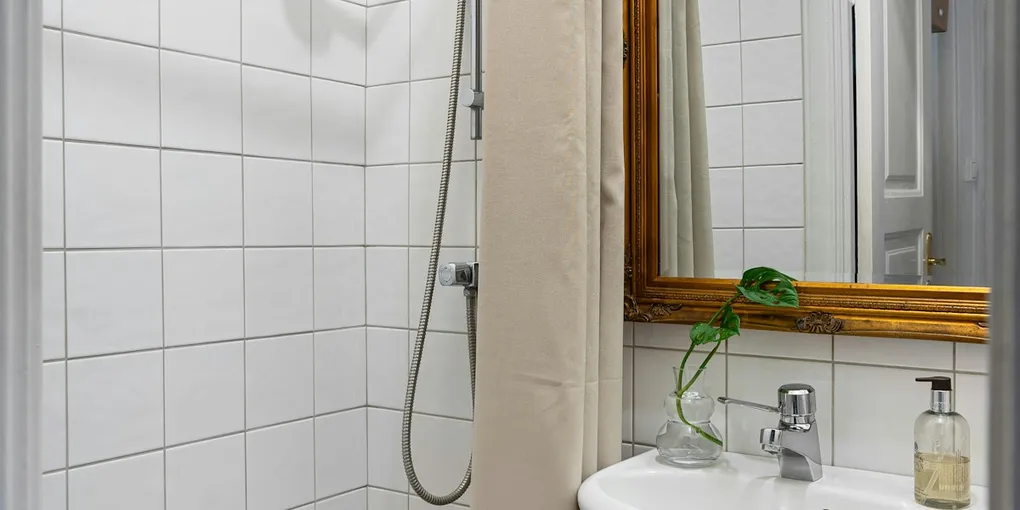
A slow bathroom sink drain is almost always hair and soap scum — and it is almost always within arm’s reach of the drain opening. Before calling a plumber or buying chemicals, spend ten minutes at the drain with a flashlight and a pair of gloves.
A slow bathroom sink drain is almost always hair and soap scum — and it is almost always within arm’s reach of the drain opening. Before calling a plumber or buying chemicals, spend ten minutes at the drain with a flashlight and a pair of gloves. In most cases, you will find the clog yourself.
What You Need
- Plastic drain snake / hair clog remover — flexible barbed stick that hooks and pulls hair out
- Hand drain auger (optional for deeper clogs) — extends further into the drainpipe for stubborn blockages
- Needle-nose pliers or channel-lock pliers
- Bucket or towel for the P-trap step
- Flashlight
- Rubber gloves
Step 1: Remove and Clean the Pop-Up Stopper
The pop-up stopper — the plug-shaped piece in the drain that opens and closes when you push or pull the lift rod behind the faucet — is the first place hair collects. It should always be the first thing you check.
To remove the stopper:
- Try lifting it straight up while rotating counterclockwise. Many stoppers unscrew and pull free in one motion.
- If it won’t unscrew, it is held by a pivot rod underneath. Reach under the sink and look for a horizontal rod entering the drainpipe about 4 inches below the stopper. There is a retaining nut (the pivot rod nut) where this rod enters the pipe. Loosen it by hand or with pliers and pull the pivot rod back a few inches — this releases the stopper from its catch so it can lift free.
Clean the stopper:
The underside of the stopper and the drain opening just below it will have a ring of hair and soap scum. Remove as much as possible by hand (wearing gloves), then rinse the stopper clean under a faucet.
Look into the drain opening with a flashlight. If you see more accumulation below, use the plastic drain snake tool in the next step.
Reinstall the stopper by reversing the removal steps. Retighten the pivot rod nut snugly — just finger-tight, then a quarter turn with pliers.
Step 2: Use a Plastic Drain Snake
A plastic drain snake (the barbed flexible strip, sometimes sold as a “Zip-It” or hair clog remover) is the single most effective tool for bathroom sink clogs. It reaches past the drain opening and into the P-trap, pulling out the hair that accumulates there.
- Insert the tool slowly into the drain opening, feeding it down until you feel resistance.
- Twist the tool gently and pull it back out slowly. The barbs grab and pull hair out with it.
- Dispose of the hair (in a trash can, not back in the sink) and repeat several times until the tool comes back clean.
- Run hot water for 30 seconds and observe the drain speed.
For a clog that the plastic snake cannot reach, upgrade to a hand drain auger — a metal cable with a coiled tip that feeds 15 to 25 feet into the drain line.
Step 3: Clean the P-Trap
If removing the stopper and snaking the drain did not resolve the slow drain, the P-trap is the next location.
The P-trap is the curved pipe section directly below the sink drain. It traps a small amount of water to block sewer gas, but it also traps hair and debris that washes past the stopper.
- Place a bucket under the P-trap to catch the water.
- Unscrew the two slip-joint nuts — the large plastic or metal nuts at each end of the curved trap section. Most can be loosened by hand; use channel-lock pliers if they are tight.
- Remove the curved trap section and dump its contents into the bucket.
- Clean the inside of the trap with an old bottle brush or a flexible drain brush. Rinse clean.
- Inspect the drain stub-out in the wall while the trap is off — shine a flashlight in and use the plastic snake to check for clogs in the wall pipe.
- Reinstall the trap section and hand-tighten both slip-joint nuts. Do not overtighten — hand-tight plus a quarter turn is sufficient for plastic fittings.
- Run water and check for leaks at both connections.
Step 4: Try a Boiling Water Flush
For soap scum buildup that has narrowed the pipe but is not a full clog, boiling water dissolves soap residue effectively.
- Boil a full kettle of water.
- Pour it slowly into the drain in two or three stages, allowing each pour to work for a few seconds before the next.
- Follow with hot tap water for 30 seconds.
Important: Do not use boiling water in sinks connected to PVC pipe if the pipe is older or you are uncertain of its condition. Very hot (not boiling) tap water is effective enough and safe for all pipe types.
Step 5: Check for a Vent Problem
If the drain remains slow after cleaning the stopper, snaking the line, and cleaning the P-trap, the problem is likely not a clog — it is a venting issue or a clog deeper in the branch drain line.
Signs of a venting problem:
- The drain gurgles or bubbles after water runs through
- The toilet nearby bubbles when the sink drains
- Multiple fixtures in the house drain slowly at the same time
Vent pipe clogs are caused by debris, bird nests, or leaves at the roof stack opening. Clearing a roof stack requires roof access and a longer drain auger — a task best handled by a plumber if you are not comfortable on a ladder.
Prevent Future Clogs
A mesh drain strainer that sits over the drain opening catches hair before it enters the pipe. Rinse it after every use. This one habit eliminates most bathroom sink clogs entirely.
Clean the pop-up stopper every 2–3 months before it slows the drain — it takes 90 seconds and prevents a frustrating clog from developing.
Related Reading
- How to Unclog a Bathtub Drain — same process with a few bathtub-specific variations
- How to Fix a Leaky Bathroom Faucet — tackle faucet drip while you have tools under the sink
- How to Install a Bathroom Faucet — upgrade the faucet while the P-trap is already disconnected
- Remove and Clean the Pop-Up Stopper
The pop-up stopper — the plug-shaped piece in the drain that opens and closes when you push or pull the lift rod behind the faucet — is the first place hair collects. It should always be the first thing you check.
- Use a Plastic Drain Snake
A plastic drain snake (the barbed flexible strip, sometimes sold as a "Zip-It" or hair clog remover) is the single most effective tool for bathroom sink clogs.
- Clean the P-Trap
If removing the stopper and snaking the drain did not resolve the slow drain, the P-trap is the next location.
- Try a Boiling Water Flush
For soap scum buildup that has narrowed the pipe but is not a full clog, boiling water dissolves soap residue effectively.
- Check for a Vent Problem
If the drain remains slow after cleaning the stopper, snaking the line, and cleaning the P-trap, the problem is likely not a clog — it is a venting issue or a clog deeper in the branch drain line.
Free: 10-Point Home Maintenance Checklist
Prevent costly repairs with this seasonal checklist. Save hundreds every year by catching problems early.
Your checklist is ready!
Open Checklist →Something went wrong. View the checklist here.