How to Fix a Noisy HVAC Duct
Learn how to diagnose popping, rattling, and whistling noises from HVAC ductwork and apply the right fix to silence them for good.
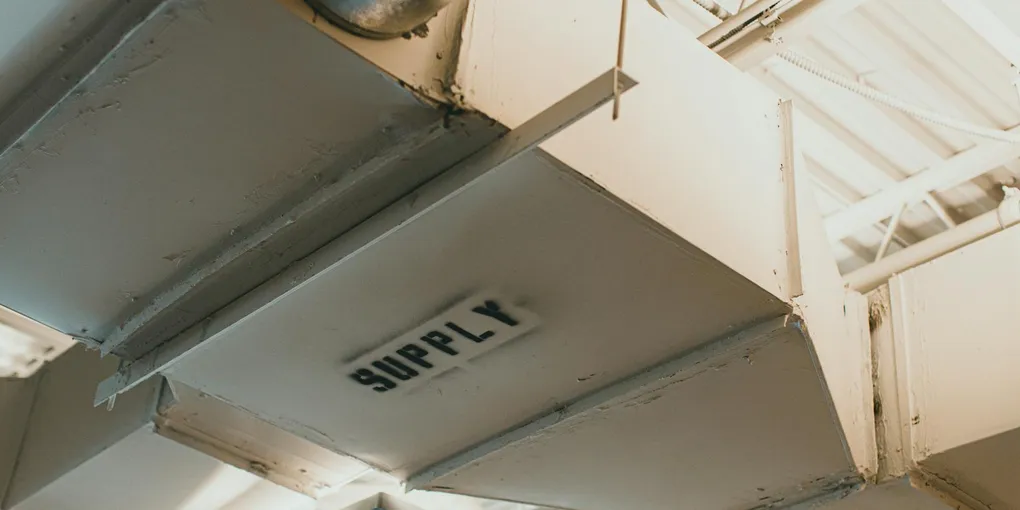
Ductwork noise is one of the most common — and most annoying — HVAC complaints. The specific sound your ducts make tells you exactly what is wrong.
Ductwork noise is one of the most common — and most annoying — HVAC complaints. The specific sound your ducts make tells you exactly what is wrong. Here is how to match the symptom to the fix and quiet your system without calling a contractor.
Identify the Type of Noise
Before grabbing tools, spend a few minutes listening carefully during a heating or cooling cycle.
- Popping or booming at startup and shutdown — thermal expansion of sheet metal panels.
- Rattling or vibrating during operation — loose hardware, disconnected joints, or debris inside the duct.
- Whistling or hissing — airflow restriction, usually at a damper, register, or pinched flex duct.
- Rumbling or drumming throughout the run — thin-gauge ducts resonating with blower vibration.
Fix 1 — Stop Thermal Expansion Popping
When a sheet metal duct panel pops, it is flexing like a drumhead in response to temperature change. The cure is to stiffen the panel so it cannot flex as far.
On an accessible rectangular duct, use a flat-head screwdriver to score a shallow diagonal crease from corner to corner across the popping panel — this is called a cross-break or oil-canning fix. The diagonal ridges add rigidity without cutting through the metal. For particularly thin panels, add a sheet metal screw through the panel into the nearest duct frame to anchor it.
Also check that duct hangers and support straps are snug. A duct that moves freely along its run will pop more because it has room to expand and contract against adjacent building materials.
Fix 2 — Stop Rattling by Tightening Joints
Turn the system on and walk the duct run, pressing lightly on suspected joints while listening. Rattling that stops when you hold a section indicates a loose joint or hanger.
Re-seat any pulled-apart collar joints and wrap them with foil HVAC tape — not standard cloth duct tape, which fails over time from heat cycling. Drive self-tapping sheet metal screws through overlapping duct collars at three points around the circumference to lock the joint permanently.
Inspect all duct hangers and metal straps. Replace any that are bent, broken, or allowing the duct to sag. A sagging duct run vibrates against floor joists and ceiling materials, which amplifies rattling throughout the house.
Fix 3 — Eliminate Whistling from Restrictions
Whistling means air is being squeezed through a bottleneck. Systematically check:
- Dampers — open each branch damper blade fully and listen whether the whistle moves or disappears. A damper set only slightly open for zone balancing purposes creates significant turbulence noise. Adjust gradually until the sound stops.
- Flex duct — compressed or kinked flexible duct restricts airflow severely. Straighten any bends tighter than a 90-degree radius and support the duct so it runs as straight as possible between connections.
- Return air filter — a clogged air filter forces the blower to pull harder against resistance, increasing velocity noise throughout the system. Replace the filter if it has been in place more than 90 days.
Fix 4 — Damp Resonance with Duct Wrap
For ducts that drum or rumble from blower vibration, duct wrap insulation adds mass and absorption that breaks up the resonance. Wrap exposed sheet metal ducts with at least R-4 duct wrap, starting at the supply plenum and working outward. Overlap seams by two inches and secure with foil tape. The insulation also reduces sweating on cold supply ducts in humid climates.
When the Fix Is Airflow Design
If you hear noise at every register in the house and adjusting individual components has no effect, the issue may be undersized ductwork or a return-air system that cannot handle the blower volume. This is a design problem that requires an HVAC technician to perform a Manual D duct calculation and resize the system. Trying to quiet individual sections will not address the root cause.
Related guides
- How to Seal Leaky Ductwork — seal duct leaks that cause pressure imbalances and noise
- HVAC Maintenance Checklist — seasonal tune-up steps that reduce noise
- How to Fix a Noisy HVAC — blower and motor noise diagnosis
- Fix 1 — Stop Thermal Expansion Popping
When a sheet metal duct panel pops, it is flexing like a drumhead in response to temperature change. The cure is to stiffen the panel so it cannot flex as far.
- Fix 2 — Stop Rattling by Tightening Joints
Turn the system on and walk the duct run, pressing lightly on suspected joints while listening. Rattling that stops when you hold a section indicates a loose joint or hanger.
- Fix 3 — Eliminate Whistling from Restrictions
Whistling means air is being squeezed through a bottleneck. Systematically check:
- Fix 4 — Damp Resonance with Duct Wrap
For ducts that drum or rumble from blower vibration, duct wrap insulation adds mass and absorption that breaks up the resonance. Wrap exposed sheet metal ducts with at least R-4 duct wrap, starting at the supply plenum and working outward.
Free: 10-Point Home Maintenance Checklist
Prevent costly repairs with this seasonal checklist. Save hundreds every year by catching problems early.
Your checklist is ready!
Open Checklist →Something went wrong. View the checklist here.