How to Fix a Leaky Shower: Diagnose and Fix Any Shower Leak (2026)
Shower leaking from the faucet, showerhead, or through the floor? This guide diagnoses the source and fixes each type — no plumber needed for most shower leaks.
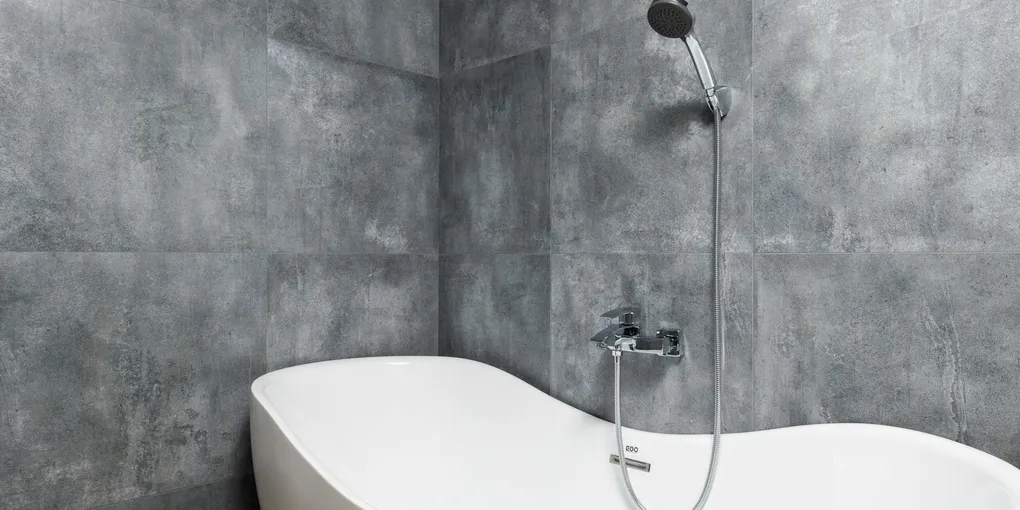
Most shower leaks come from one of four places: the showerhead (replace the O-ring or cartridge), the faucet handle (replace the cartridge or valve stem), the door seal/threshold (replace weatherstripping), or the tile/grout/caulk (regrout and recaulk). Identify where the water is coming from before touching any hardware. A drip from the showerhead is almost always a worn cartridge — $10–$40 to fix yourself.
Frequently Asked Questions
Why is my shower leaking even when the water is off?
A shower that drips when off has a worn cartridge or valve stem inside the faucet — the internal seal no longer fully stops water flow. The fix is replacing the cartridge (most single-handle showers) or replacing the seat washer/stem (older two-handle showers). Both are under $40 in parts and take 30–60 minutes.
How do I find where my shower is leaking?
Run the shower for 5 minutes, then inspect: (1) Is water coming from the showerhead connection? (2) From behind the wall (water stains on ceiling below or adjacent walls)? (3) Through the door seal or threshold? (4) Through tile grout lines? Each location points to a different fix. The most dangerous — water through the floor — often shows up as water staining on the ceiling below the bathroom, not as visible dripping in the shower itself.
How do I stop a dripping shower faucet?
Single-handle shower: replace the cartridge. Turn off water supply (there may be a shutoff behind an access panel — or close the main), remove the handle (usually one screw under a decorative cap), pull out the cartridge, and install an exact replacement. Bring the old cartridge to the hardware store or look up the faucet brand + 'cartridge' to get the right part. Takes 30–60 minutes.
Can a leaky shower cause serious damage?
Yes — slow leaks through grout or behind tile are among the most expensive home repairs when ignored. Water that penetrates the shower wall reaches the subfloor, then floor joists, causing rot, mold, and structural damage. A tile-and-grout leak caught within 6 months costs $200–$500 to fix. The same leak ignored for 2 years can cost $3,000–$10,000 in subfloor and joist repair.
How do I fix a leaky shower door?
Shower door leaks usually come from worn door seals (the rubber strip along the bottom and sides). Replacement seals cost $10–$30 and clip or slide into the door channel — no tools needed for most models. Also check the door sweep (the strip at the bottom that seals against the threshold) and the caulk line where the door frame meets the tile.
How do I know if my shower is leaking through the floor?
Signs of a shower floor leak: water stains on the ceiling of the room below the bathroom, soft or springy floor near the shower, musty smell in the bathroom or room below, visible water at the base of the shower when in use but no door seal failure. Floor leaks require grout and caulk inspection (and often regrout/recaulk), and in severe cases, removing the shower pan to inspect the liner.
Most shower leaks come from one of four places: the showerhead (replace the O-ring or cartridge), the faucet handle (replace the cartridge or valve stem), the door seal/threshold (replace weatherstripping), or the tile/grout/caulk (regrout and recaulk). Identify where the water is coming from before touching any hardware.
Shower leaks get worse, not better, on their own. The earlier you identify and fix the source, the cheaper the repair. Here’s how to diagnose and fix every common shower leak type.
Step 1: Identify the leak source
Before touching anything, observe the shower carefully:
During the shower:
- Water pooling at the door threshold or outside the door → door seal or threshold leak
- Water running down the outside of the shower enclosure → door seal, frame caulk, or door alignment
- Water spraying from the showerhead connection → showerhead O-ring or connection leak
After shutting off the water:
- Dripping continues from the showerhead → faucet cartridge/valve not seating
- Dripping from faucet handle → cartridge or stem seal
- No visible leak in the shower, but water staining below → grout or liner leak
The tile test: After showering, dry the walls with a towel. Run your hand along all grout lines and caulk joints, especially corners and the joint where tile meets the tub/floor. Press gently — if grout flexes or feels soft, water is getting through.
Fix 1: Dripping showerhead when off (faucet cartridge)
Cause: The faucet cartridge or valve stem inside the handle has worn seals and is no longer fully closing. This is the most common shower “leak.”
Symptoms: A slow drip from the showerhead that continues after the shower is off. Worsens over time.
Single-handle shower faucet (cartridge replacement)
- Find the water shutoff — either a dedicated shutoff behind an access panel in the wall adjacent to the shower, or close the main house shutoff.
- Turn on the shower briefly to release pressure.
- Remove the handle: pry off the decorative cap (usually just pops off), remove the screw underneath, and pull the handle off.
- Remove the cartridge retaining clip with pliers, then pull the cartridge straight out.
- Note the brand and take the old cartridge to the hardware store, or look up “[Brand name] + [model] cartridge” online. Common brands: Moen 1225 cartridge, Delta RP46463 cartridge, Kohler GP77888.
- Insert the new cartridge in the same orientation. Reinstall the clip, handle, and cap.
- Turn the water on slowly and test.
Cost: $10–$40 for the cartridge. Takes 30–60 minutes.
Two-handle shower faucet (seat washer)
- Shut off water, remove the handle (usually one screw), then unscrew the packing nut.
- Pull the stem out. On the end of the stem is a rubber seat washer held by a brass screw.
- Replace the washer with an exact size match. If the valve seat (the brass ring the washer presses against) is scored or pitted, use a seat dresser tool to smooth it, or replace the seat entirely.
- Reinstall, turn water on, test.
Fix 2: Leaky showerhead connection
Symptoms: Water drips or sprays from where the showerhead connects to the shower arm (the pipe coming out of the wall), not from the showerhead itself.
- Unscrew the showerhead counterclockwise (use pliers with a cloth to protect the finish).
- Clean off any old tape or joint compound from the shower arm threads.
- Wrap the threads with 3 wraps of Teflon (plumber’s) tape, pulling it tight and winding in the direction of the threads.
- Reinstall the showerhead — hand-tight plus 1/4 turn with pliers.
- Turn on the water and inspect the connection.
If the shower arm itself is leaking where it enters the wall, the arm’s thread joint may need Teflon tape applied at that connection — which requires removing the arm with a pipe wrench.
Fix 3: Shower door leaks
Types and fixes:
Bottom door seal (sweep): The rubber strip along the bottom of the door that seals against the threshold. If water runs out the bottom, this is the first thing to check. Replacement seals slide or clip into the door frame — door sweep replacements are $8–$25 and brand-specific.
Side door seals (jamb seals): The vertical rubber strips on the sides of frameless doors or inside framed door channels. Replacement strips are available by the foot — measure the height and buy accordingly.
Door caulk (frame-to-tile joint): Where the door frame meets the tile or wall. Recaulk with mold-resistant silicone caulk. Remove all old caulk first, let dry, then apply fresh bead and smooth.
Door alignment: A door that’s out of plumb won’t seal along its full height. Loosen the hinge screws slightly and use shims to adjust, or adjust hinge set screws if present.
Fix 4: Tile grout and caulk leaks
This is the shower leak with the highest consequence if ignored — water penetrating grout lines reaches the shower substrate and causes structural damage.
Diagnose: Look for cracked, missing, or discolored grout. Pay special attention to:
- The joint where wall tile meets the tub floor (this should be caulk, not grout)
- All corner joints (wall-to-wall transitions)
- Any grout that looks hollow, cracked, or has dark staining running from it
Fix — failed caulk joints (corners, tub edge):
- Remove all old caulk with a caulk remover tool or utility knife.
- Clean the joint thoroughly and let dry completely (24+ hours — even a slightly damp surface causes new caulk to fail).
- Apply mold-resistant silicone caulk in a smooth bead. Silicone is essential for shower applications — latex caulk fails quickly in wet environments.
- Smooth with a wet finger and remove tape immediately.
- Allow 24 hours before water contact.
Fix — cracked or missing grout: See the full process in our how to regrout a shower guide — grout removal and replacement takes 3 days but permanently stops leaks through failed joints.
Fix 5: Shower pan / floor leak
If water is getting under the floor of the shower (leaking to the ceiling below), the issue is either:
- Failed grout/caulk between floor tiles — regrout the floor tiles and recaulk the floor-to-wall joint
- Failed shower pan liner — the waterproof membrane under the tile. This requires removing the floor tile to access and replace.
The flood test: plug the shower drain with a test plug, fill the pan with 2 inches of water, mark the level with tape, and wait 24 hours. If the level drops without the drain being opened, the liner has a hole.
A failed shower liner is significant work — $800–$2,500 for a contractor to tile-up and replace the liner. Worth addressing promptly before subfloor rot sets in.
When to call a plumber
- The faucet valve body itself is cracked or corroded (not just the cartridge)
- The shower arm is leaking inside the wall (requires opening the wall)
- Flood test confirms a liner failure (shower pan rebuild is complex)
- Water staining on the ceiling below suggests the damage has already spread to the subfloor
Related guides
- How to Regrout a Shower — full grout removal and replacement process
- How to Fix a Leaky Faucet — same cartridge technique for sink faucets
- How to Replace a Shower Head — upgrade while you’re already in there
- How to Unclog a Shower Drain — companion bathroom maintenance
- Plumber Cost Guide — when to hire out and what it costs
- Locate the leak source
Run the shower for 5 minutes, then inspect carefully. Check: the showerhead connection (drips at the pipe-to-showerhead joint); the faucet handle area (water at the wall escutcheon); the door seal and threshold (water on the floor outside the shower); the grout lines and caulk at the tile (water wicking through grout). Check the room below — stains on the ceiling below the bathroom indicate a floor or pan leak. Mark each problem area before starting any repair.
- Fix a dripping faucet or showerhead
A faucet that drips when off has a worn cartridge. Turn off the water supply (access panel behind shower or main house shutoff). Remove the handle screw (under the center cap), pull the handle, remove the trim plate, pull the retaining clip, and extract the cartridge. Replace with a brand-specific cartridge (Moen 1225/1222, Delta, Kohler by model). For a dripping showerhead with the valve off: wrap the pipe threads with PTFE tape, reattach the showerhead hand-tight plus 3/4 turn, and check.
- Replace worn door seals
A leaking shower door allows water to exit at the bottom or sides. Inspect the door sweep (the rubber strip at the bottom — should make contact with the threshold all the way across) and the side seals (the strips that run vertically where the door meets the frame or glass panel). Replace worn seals by pulling or sliding the old strip out of the channel and pressing a new matching strip in. Most door seals are sold by the linear foot. Also check the caulk bead where the door frame meets the tile — remove old caulk and apply fresh silicone.
- Regrout and recaulk tile
Failed grout and caulk allow water through the tile surface into the wall and floor. Remove cracked or missing grout with a grout saw or oscillating tool. Mix unsanded grout for joints under 1/8 inch, sanded for wider. Pack into the joint with a grout float, wipe excess with a damp sponge, allow to dry. At the floor-wall joint (the cove), use 100% silicone caulk, not grout — tile movement cracks grout at this joint. Remove old caulk with a utility knife, clean with rubbing alcohol, apply a continuous bead of white or clear silicone, and tool smooth.
- Test and confirm the repair
Wait 24 hours after recaulking (silicone needs full cure time). Run the shower at full pressure for 10 minutes. Watch each previously leaking area. Check the floor below for new moisture or ceiling stains. A correctly repaired shower should show no water outside the shower enclosure and no stains developing on adjacent ceilings or walls over the following weeks. If a floor leak remains despite new grout and caulk, the shower pan liner may be compromised — this requires removing the shower floor and replacing the liner, typically a contractor job.
Free: 10-Point Home Maintenance Checklist
Prevent costly repairs with this seasonal checklist. Save hundreds every year by catching problems early.
Your checklist is ready!
Open Checklist →Something went wrong. View the checklist here.