How to Fix a Leaking Basement Pipe
Locate and repair a leaking basement pipe using pipe clamps, epoxy putty, or compression couplings before water damage spreads.
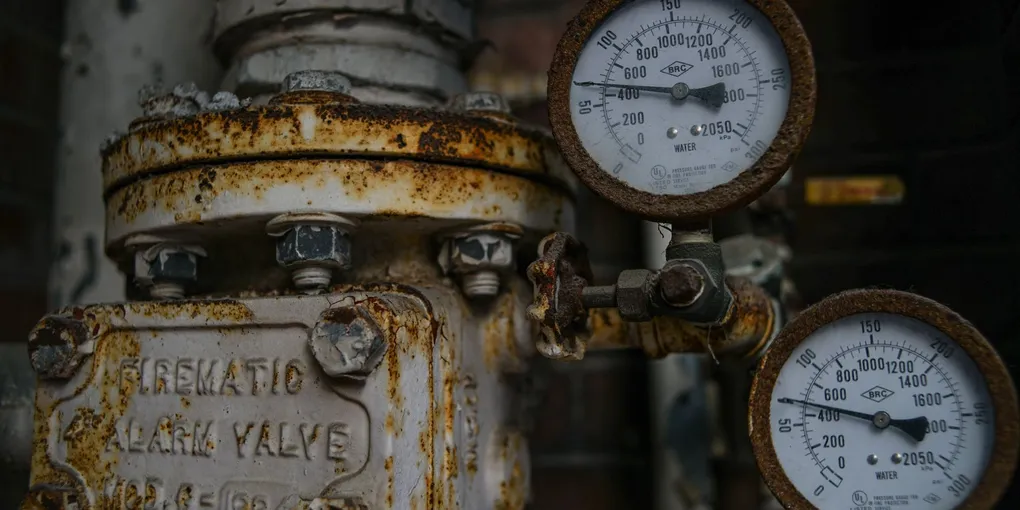
A basement pipe leak seems alarming the moment you discover it, but in most cases it’s a repair you can handle yourself in an afternoon. The key is acting quickly — water on a concrete floor is inconvenient, but water soaking into framing, drywall, or insulation for days creates mold, rot, and structural damage that costs far more to fix.
A basement pipe leak seems alarming the moment you discover it, but in most cases it’s a repair you can handle yourself in an afternoon. The key is acting quickly — water on a concrete floor is inconvenient, but water soaking into framing, drywall, or insulation for days creates mold, rot, and structural damage that costs far more to fix. This guide walks you through finding the leak, choosing the right repair method, and completing a durable fix.
What You Need
Gather tools and materials based on the pipe material in your basement. Most homes built before 1980 have copper or galvanized steel supply lines; newer homes typically have copper, CPVC, or PEX.
- Pipe repair clamp kit — fits 1/2-inch to 2-inch pipes, works on copper, steel, and PVC
- Epoxy pipe repair putty — hardens underwater, good for pinhole leaks and fittings
- Self-fusing silicone repair tape — emergency temporary wrap for slow leaks
- PVC slip repair coupling — for cutting out and replacing a damaged PVC section
- Pipe cutter (ratchet style) — cuts copper and PVC cleanly without a saw
- Compression coupling (SharkBite or similar) — no-solder push-fit repair for copper, PEX, and CPVC
- Bucket and towels — for catching water during the repair
- Flashlight and safety glasses — essential for working in tight basement spaces
Step 1: Locate the Leak Precisely
Before turning off any water, find exactly where the leak originates. Pipes can drip, run along the exterior surface, or seep through pinholes, and water travels before it drips — the wet spot on the floor may not be directly below the actual leak.
Dry and test method: Wipe the entire suspect pipe section dry with a rag. Wrap a strip of paper towel loosely around sections of the pipe and leave it for 30 minutes. Come back and feel each section — the wet paper identifies the exact leak point.
Visual clues: Look for white mineral crust (calcium deposits around a slow seeping leak), rust staining on steel or cast iron pipe, green corrosion on copper, or a hairline crack you can see in PVC.
Check fittings first: The vast majority of pipe leaks occur at joints and fittings — elbows, tee connections, unions, and threaded couplings — not in the middle of straight pipe runs. Inspect every fitting in the area before assuming the leak is on a straight section.
Once you have pinpointed the location, place a bucket directly under it and note the pipe material, diameter, and whether the leak is on a straight run or at a fitting.
Step 2: Shut Off the Water
Turn off the water supply to the leaking pipe. Look for a shutoff valve on the same pipe run, upstream of the leak. Most basement water lines have zone valves that isolate individual sections. If you can’t find one, shut off the main water supply where it enters the house.
After shutting off the supply, open a faucet on the same line at a lower or higher point to release pressure and drain residual water from the pipe. This is important — pressurized water in the pipe will fight you during the repair.
Flush the leak area dry with a rag before starting the repair.
Step 3: Choose Your Repair Method
The right repair depends on the pipe material, the location of the leak, and how permanent you need the fix to be.
Option A: Pipe Repair Clamp (Fastest, All Pipe Materials)
A pipe repair clamp is a stainless steel sleeve lined with a rubber gasket that bolts around the pipe over the leak point. It installs in under 10 minutes and produces a watertight seal that handles full household water pressure.
- Measure the outer diameter of the pipe (most residential supply pipes are 1/2 inch or 3/4 inch nominal, but measure the outside diameter to select the correct clamp).
- Open the clamp and position it so the rubber gasket is centered over the leak. If the leak is at a fitting, center the gasket over the joint.
- Tighten the bolts evenly — alternate sides as you tighten, the same way you would torque a car wheel.
- Tighten until the gasket compresses firmly against the pipe surface. Do not overtighten — you can crack PVC or crush soft copper.
- Restore water pressure slowly and check for any seeping around the clamp edges.
Pipe repair clamps are considered a permanent repair by most plumbing codes for supply lines, not just a temporary fix.
Option B: Epoxy Pipe Putty (Pinhole Leaks and Tight Spaces)
Epoxy putty is a two-part compound that you knead together by hand. Once mixed, it has a working time of about 3 to 5 minutes before it begins to set, and it cures rock-hard in 30 to 60 minutes. It bonds to copper, steel, PVC, and cast iron.
- Shut off the water and dry the area as thoroughly as possible. Epoxy putty works in damp conditions but bonds much better to a dry surface.
- Cut off a piece of putty. Knead it between your fingers until the two-colored compound becomes one uniform color — this activates the hardener.
- Press the mixed putty firmly onto and around the leak point. Smooth it in a dome shape around the pipe, extending at least 1 inch on each side of the leak.
- Hold it in place with firm pressure for 3 to 5 minutes while the initial set occurs.
- Let it cure for at least 1 hour before restoring water pressure. Full cure takes 24 hours, but it will hold water pressure after 60 minutes.
Epoxy putty is particularly effective for pinhole leaks in copper or PVC pipe that is otherwise in good condition.
Option C: Push-Fit Compression Coupling (Permanent Repair, No Soldering)
For a leak on a straight pipe run — not at a fitting — the cleanest permanent repair is cutting out the damaged section and installing a push-fit compression coupling. Push-fit couplings (sold under the SharkBite brand and others) require no soldering, no glue, and no special tools. They connect by simply pushing the pipe into the fitting.
- Shut off the water and drain the line.
- Use a pipe cutter or ratchet cutter to cut out the damaged section. Make clean, square cuts — a beveled or ragged cut prevents the push-fit connector from sealing properly.
- Deburr the cut pipe ends with a deburring tool or the reamer built into most pipe cutters. Smooth any sharp edges.
- For copper pipe, clean the pipe ends with emery cloth to remove any oxidation — the fitting must seat tightly against clean metal.
- Mark the insertion depth on each pipe end (usually 1 inch for 1/2-inch pipe — the coupling package specifies the depth). This tells you the fitting is fully seated.
- Push each pipe end firmly into the coupling until the pipe is in to the marked depth. You will feel it click and seat.
- Pull back on each pipe to confirm the connection is locked — the coupling will not slide.
- Restore water pressure and check for leaks.
Push-fit couplings are approved by most building codes for permanent use on copper, CPVC, and PEX. They are not approved for use inside concrete or in-wall on all codes — check local requirements if the pipe will be enclosed.
Step 4: Inspect the Surrounding Area for Damage
Once the leak is repaired and tested, assess how much water damage occurred.
Concrete floor: Wipe dry and check for any cracks that may have been obscured by standing water. Small hairline cracks in basement concrete are normal, but new cracks at the base of the wall can indicate hydrostatic pressure issues.
Insulation: Fiberglass and mineral wool insulation that has been saturated must be removed and replaced — wet insulation loses its thermal value and holds moisture against the framing, promoting mold. Pull out any wet insulation and let the framing dry for at least 48 to 72 hours before replacing it.
Wood framing: Press a screwdriver tip into any wood framing near the leak. Soft or spongy wood indicates rot and needs to be replaced. Discolored but still firm wood should be treated with a borate-based wood preservative.
Mold check: If the leak has been running undetected for more than 48 hours, check framing, OSB, and drywall for mold. Surface mold on concrete or metal can be cleaned with a diluted bleach solution (one cup bleach per gallon of water). Mold on framing or drywall in an enclosed area may require professional remediation.
Step 5: Prevent Future Leaks
Insulate cold water pipes: Condensation — not leaks — accounts for a surprising amount of moisture on basement pipes. Cold water pipes in warm basements sweat, and that dripping water causes the same damage as a slow leak. Wrap cold water pipes in foam pipe insulation to eliminate condensation.
Check pipe hangers: Pipes that sag between hangers put stress on fittings. Make sure every pipe run is supported with hangers at manufacturer-recommended intervals (typically every 4 to 6 feet for copper, every 3 feet for CPVC).
Flush water heater sediment annually: Sediment buildup in water heaters increases pressure in hot water lines and accelerates corrosion. Flush your water heater once a year.
Consider a leak detector: A smart water leak sensor placed under the most vulnerable pipes alerts you to drips before they become floods. Basic sensors cost $15 to $30 and pair with a phone app.
Related Reading
- How to Fix a Leaky Faucet
- How to Unclog a Basement Floor Drain
- How to Install a Sump Pump
- How to Winterize Your Plumbing
- Locate the Leak Precisely
Before turning off any water, find exactly where the leak originates. Pipes can drip, run along the exterior surface, or seep through pinholes, and water travels before it drips — the wet spot on the floor may not be directly below the actual leak.
- Shut Off the Water
Turn off the water supply to the leaking pipe. Look for a shutoff valve on the same pipe run, upstream of the leak. Most basement water lines have zone valves that isolate individual sections.
- Choose Your Repair Method
The right repair depends on the pipe material, the location of the leak, and how permanent you need the fix to be.
- Inspect the Surrounding Area for Damage
Once the leak is repaired and tested, assess how much water damage occurred.
- Prevent Future Leaks
Insulate cold water pipes: Condensation — not leaks — accounts for a surprising amount of moisture on basement pipes. Cold water pipes in warm basements sweat, and that dripping water causes the same damage as a slow leak.
Free: 10-Point Home Maintenance Checklist
Prevent costly repairs with this seasonal checklist. Save hundreds every year by catching problems early.
Your checklist is ready!
Open Checklist →Something went wrong. View the checklist here.