How to Fix a Frozen Boiler Pipe
Learn how to safely thaw a frozen boiler pipe, restore heat to your home, and prevent pipes from freezing again in cold weather.
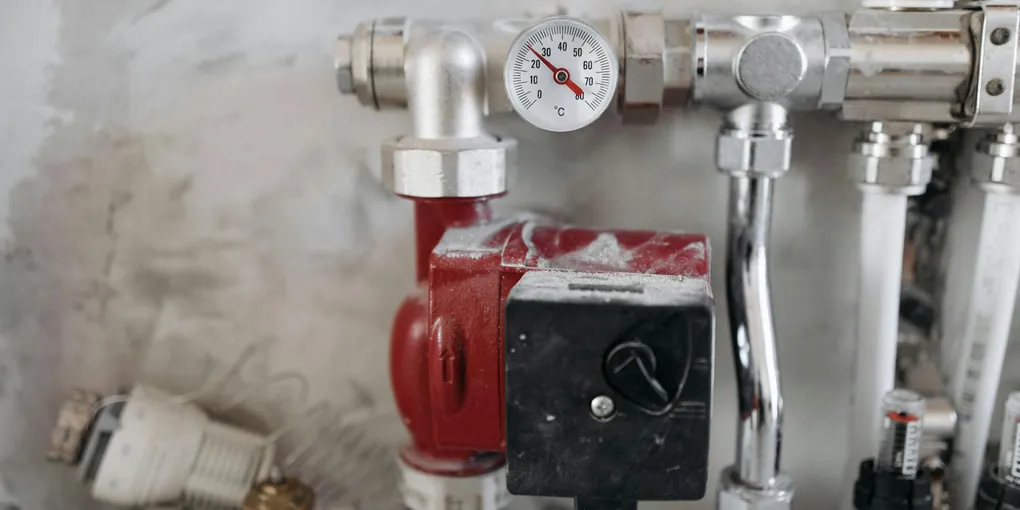
A frozen boiler pipe stops your heating system cold — sometimes literally overnight when temperatures drop. Acting quickly and carefully can thaw the freeze, restore heat, and prevent the pipe from bursting.
A frozen boiler pipe stops your heating system cold — sometimes literally overnight when temperatures drop. Acting quickly and carefully can thaw the freeze, restore heat, and prevent the pipe from bursting. This guide walks through the safe process of locating, thawing, and protecting a frozen boiler pipe in a hydronic (hot water) heating system.
What You Need
- Hair dryer or heat gun (low setting)
- Self-regulating pipe heat tape
- Pipe insulation foam sleeves
- Towels and a bucket
- Flashlight
- Adjustable wrench
- Work gloves
Step 1: Confirm the Freeze and Locate the Frozen Section
Turn up the thermostat and observe the boiler. If the boiler fires (you hear the burner or see the pilot flame) but the system pressure gauge does not rise and the radiators or baseboard heaters remain cold, a frozen pipe is the likely culprit.
Trace the system piping from the boiler into the parts of your home that see the coldest temperatures:
- Unheated basements or crawl spaces
- Pipes running through exterior walls
- Boiler room areas near exterior doors that were left open
- Garage utility rooms
Walk the pipe runs with your hand and a flashlight, feeling for the transition from merely cool to extremely cold. Frost on the outside of the pipe, a dull thud when you tap it (versus the hollow ring of a water-filled pipe), and visible deformation or bulging are signs of a frozen section.
Step 2: Reduce System Pressure Before Thawing
Before applying any heat, reduce the risk of a water release if a crack is present:
- Turn the boiler off at the thermostat or the boiler power switch.
- Locate the make-up water feed valve (usually a small shutoff on the cold water supply line running to the boiler or expansion tank) and close it.
- Place a bucket and towels directly under and around the frozen section in case of a hidden crack.
You can leave the system’s existing water in the pipes — you just want to stop additional pressurized water from entering if a crack releases.
Step 3: Apply Gentle Heat Along the Frozen Section
Set a hair dryer to high or a heat gun to its lowest setting (300 to 400 degrees Fahrenheit). Hold the tool 6 to 8 inches from the pipe and work slowly along the entire frozen section, moving back and forth rather than concentrating heat in one spot.
Start at the end of the frozen section closest to the boiler and work away from it. This allows meltwater to flow back toward the boiler rather than being trapped between two freeze points.
Continue the gentle heating pass for 15 to 20 minutes, then feel the pipe. If you detect the pipe beginning to warm or hear gurgling water sounds inside, you are making progress. Continue until the full section feels warm to the touch.
What not to do:
- Never use an open propane torch on a boiler pipe — the risk of igniting nearby insulation, wood framing, or the pipe joint flux is too high.
- Do not apply high heat in one concentrated spot — this can cause thermal shock that cracks a pipe.
- Do not use a space heater aimed directly at the pipe — it heats the surrounding air but not the pipe effectively enough.
Step 4: Inspect for Cracks Before Restoring Pressure
Once the pipe section is thawed and the pipe feels warm end to end, inspect the entire formerly frozen length carefully:
- Look for discoloration, pinhole drips, or visible splits in the pipe.
- Dry the pipe surface with a towel and watch for moisture reappearing from any point.
- Check all solder joints and threaded fittings in the area — freeze stress can loosen joints even without cracking the pipe body itself.
If you see any dripping or spot any crack, do not restore system pressure — call a plumber to repair the damaged section first.
Step 5: Restore the System and Bleed Air
If the pipe passes inspection:
- Open the make-up water feed valve to allow the system to refill to normal operating pressure (typically 12 to 15 psi as shown on the pressure gauge).
- Turn the boiler back on at the thermostat.
- As the system heats up, air that was trapped during the freeze may cause gurgling noises or prevent some radiators from heating. Bleed the air from radiators using their bleed valves: hold a cloth under the bleed valve, open it slowly with a radiator key or flathead screwdriver, and close it as soon as water (not air bubbles) flows out.
- Monitor the pressure gauge for 30 minutes as the system comes up to temperature. Normal operating pressure at full temperature is typically 15 to 25 psi.
Step 6: Prevent Future Freezing
Once heat is restored, address the conditions that caused the freeze:
Insulate the pipe. Measure the pipe diameter and purchase matching foam pipe insulation sleeves. Slit the sleeve lengthwise, wrap it around the pipe, and tape the seam with foil tape. For pipes very close to exterior walls or in especially cold locations, use two layers.
Install heat tape. For pipes in locations where insulation alone is insufficient — crawl space pipes in very cold climates, for example — self-regulating pipe heat tape provides active freeze protection. Wrap it in a single spiral along the pipe per manufacturer directions and plug it in when temperatures drop below freezing. Self-regulating tape automatically adjusts its heat output based on ambient temperature.
Seal air infiltration. Frozen pipes in interior locations are often caused by cold air infiltrating through gaps in exterior walls or floor plates. Use expanding foam to seal penetrations where pipes pass through exterior framing. A little foam in the right gap makes an enormous temperature difference inside the wall cavity.
When to Call a Plumber
Call a licensed plumber if:
- The frozen section is inside a wall and you cannot access it for thawing.
- The pipe has visibly cracked or is actively dripping after thawing.
- System pressure drops rapidly after restoring water supply, indicating a hidden leak.
- The freeze has caused the boiler pressure relief valve to open and discharge water.
Related Reading
- How to Bleed a Hot Water Radiator — restore heat flow after air enters the system
- How to Winterize Your Home — full checklist for cold-weather home protection
- How to Fix a Leaking Boiler — address water loss from the heating system
- Confirm the Freeze and Locate the Frozen Section
Turn up the thermostat and observe the boiler. If the boiler fires (you hear the burner or see the pilot flame) but the system pressure gauge does not rise and the radiators or baseboard heaters remain cold, a frozen pipe is the likely culprit.
- Reduce System Pressure Before Thawing
Before applying any heat, reduce the risk of a water release if a crack is present:
- Apply Gentle Heat Along the Frozen Section
Set a hair dryer to high or a heat gun to its lowest setting (300 to 400 degrees Fahrenheit). Hold the tool 6 to 8 inches from the pipe and work slowly along the entire frozen section, moving back and forth rather than concentrating heat in one spot.
- Inspect for Cracks Before Restoring Pressure
Once the pipe section is thawed and the pipe feels warm end to end, inspect the entire formerly frozen length carefully:
- Restore the System and Bleed Air
Open the make-up water feed valve to allow the system to refill to normal operating pressure (typically 12 to 15 psi as shown on the pressure gauge).
- Prevent Future Freezing
Once heat is restored, address the conditions that caused the freeze:
Free: 10-Point Home Maintenance Checklist
Prevent costly repairs with this seasonal checklist. Save hundreds every year by catching problems early.
Your checklist is ready!
Open Checklist →Something went wrong. View the checklist here.