How to Fix a Dripping Outdoor Faucet
Stop a leaking hose bib or outdoor spigot by replacing the washer, packing nut, or cartridge with simple tools and no plumber required.
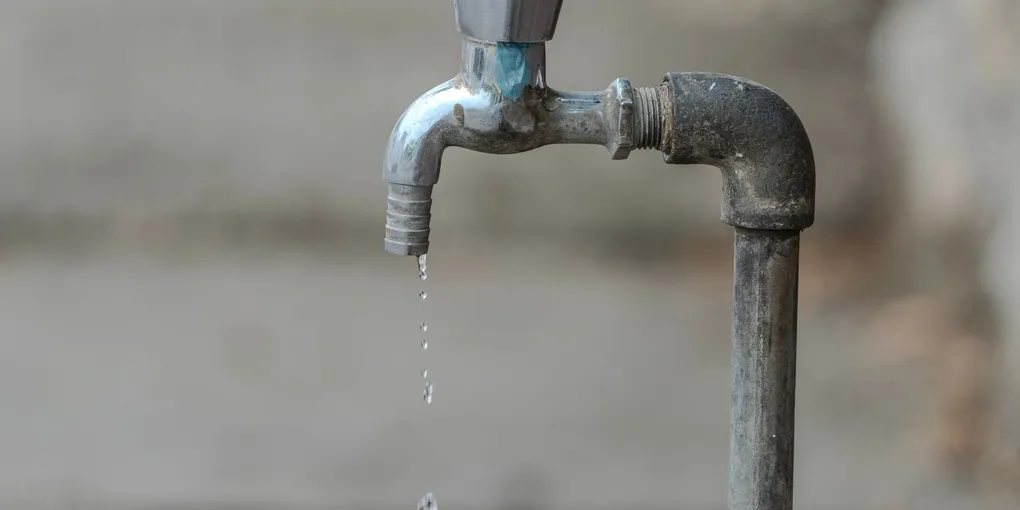
A dripping outdoor faucet might seem minor, but a single slow drip can waste more than 3,000 gallons of water per year and drive up your water bill. The good news is that this repair is one of the most beginner-friendly plumbing jobs you can tackle.
A dripping outdoor faucet might seem minor, but a single slow drip can waste more than 3,000 gallons of water per year and drive up your water bill. The good news is that this repair is one of the most beginner-friendly plumbing jobs you can tackle. With a few basic tools and a replacement washer that costs less than a dollar, you can silence that spigot in under an hour.
What Causes an Outdoor Faucet to Drip?
Outdoor faucets — also called hose bibs or sillcocks — operate with a compression valve. When you turn the handle, a stem screws inward and presses a rubber washer against a valve seat to stop water flow. Over years of use the washer hardens, cracks, or wears down and no longer seals completely.
Other culprits include a deteriorated O-ring on the stem (which causes leaking around the handle rather than the spout) and a pitted or corroded valve seat that no washer can seal against. Knowing which symptom you have points you to the right fix.
Tools and Materials You Will Need
- Adjustable wrench or channel-lock pliers
- Flathead and Phillips screwdrivers
- Replacement rubber washer (flat or beveled, assorted kit recommended)
- Replacement O-ring (check the stem diameter)
- Plumber’s grease or silicone grease
- Teflon thread tape
- Bucket or old towel
For a complete repair kit, the Danco Faucet Repair Kit available on Amazon includes washers, O-rings, and packing string to cover nearly every outdoor faucet scenario.
Step 1: Shut Off the Water Supply
Find the dedicated shutoff valve for the outdoor line. In most homes it is located in the basement, utility room, or crawl space directly behind the exterior faucet. Turn it clockwise until it stops. If there is no dedicated valve, shut off the main water supply to the house.
Once the valve is closed, open the outdoor faucet handle fully. This releases residual pressure and drains the line so you can work on it dry.
Step 2: Remove the Handle and Packing Nut
Look for a screw on top of or under the faucet handle. Remove it and pull the handle straight off. If it is stuck, wiggle it gently while pulling — do not pry with a screwdriver or you may crack the handle.
With the handle off, you will see the packing nut — a large hexagonal nut that threads into the faucet body. Use an adjustable wrench to turn it counterclockwise. Hold the faucet body steady with your other hand or a second wrench to avoid torquing the pipe inside the wall.
Step 3: Extract the Stem
Once the packing nut is off, the entire stem assembly pulls straight out. It looks like a long threaded rod with a rubber washer held by a brass screw at the bottom and an O-ring around the upper shaft.
Inspect both components carefully. A worn washer will look flattened, grooved, or cracked. A bad O-ring may be swollen, split, or visibly deteriorated.
Step 4: Replace the Washer and O-Ring
Remove the brass screw at the bottom of the stem and pop out the old washer. Press the new washer into the recess and reinstall the screw snugly — do not overtighten or you will deform the new washer before it even gets used.
Slide the old O-ring off the stem groove and stretch the new one into place. Apply a thin coat of plumber’s grease or silicone grease to both the new O-ring and the washer. This extends their life significantly.
Step 5: Inspect and Clean the Valve Seat
Before reassembling, look inside the faucet body with a flashlight. The valve seat — the brass ring the washer presses against — should be smooth. If it is pitted or corroded, a valve seat wrench lets you unscrew and replace it. This step is only needed if the faucet continues to drip after a washer swap.
Step 6: Reassemble the Faucet
Slide the stem back into the faucet body. Thread the packing nut on by hand until snug, then tighten it one-quarter turn with the wrench. Avoid overtightening — the nut just needs to compress the packing material enough to prevent leaks around the stem.
Reinstall the handle and its retaining screw. Turn the faucet handle to the fully closed position before restoring water.
Step 7: Restore Water and Test
Slowly open the shutoff valve inside. Listen for any hissing and watch for drips. With the outdoor faucet still closed, the line should pressurize silently. Then open the faucet to confirm full flow, close it again, and watch for 60 seconds to confirm the drip is gone.
If water seeps around the packing nut, tighten it slightly more. If the spout still drips, the valve seat may need replacement or the entire hose bib may need to be swapped out.
When to Replace the Entire Faucet
If the faucet body is cracked, heavily corroded, or more than 20 years old, a full replacement makes more financial sense than repeated repairs. A standard frost-free sillcock costs $15 to $40 and installs in about an hour with a pipe cutter, soldering kit or push-fit fittings, and the same basic tools used above.
Frost-free models drain the pipe back inside the wall whenever the faucet is closed, eliminating the freeze risk that destroys so many traditional hose bibs each winter.
Preventing Future Drips
- Always disconnect garden hoses before the first freeze — attached hoses trap water and defeat frost-free designs
- Replace washers every 5 to 7 years as preventive maintenance
- Open and close the faucet fully each use rather than leaving it in a half-open position, which wears the washer unevenly
- Install a vacuum breaker if your faucet does not already have one — it prevents backflow that can contaminate your drinking water
Related guides
- How to Fix a Broken Outdoor Spigot Vacuum Breaker — repair a dripping or failed vacuum breaker cap on the spigot
- How to Fix a Broken Outdoor Spigot — replace a damaged spigot body if washer replacement isn’t enough
- How to Add an Outdoor Water Spigot — add a new spigot location when one isn’t enough
A dripping outdoor faucet is one of those repairs that pays for itself many times over. The parts cost almost nothing, the skills transfer directly to indoor faucet repairs, and the satisfaction of stopping a persistent drip is immediate. Grab a washer kit, find that shutoff valve, and get it done this weekend.
- Shut Off the Water Supply
Find the dedicated shutoff valve for the outdoor line. In most homes it is located in the basement, utility room, or crawl space directly behind the exterior faucet. Turn it clockwise until it stops.
- Remove the Handle and Packing Nut
Look for a screw on top of or under the faucet handle. Remove it and pull the handle straight off. If it is stuck, wiggle it gently while pulling — do not pry with a screwdriver or you may crack the handle.
- Extract the Stem
Once the packing nut is off, the entire stem assembly pulls straight out. It looks like a long threaded rod with a rubber washer held by a brass screw at the bottom and an O-ring around the upper shaft.
- Replace the Washer and O-Ring
Remove the brass screw at the bottom of the stem and pop out the old washer. Press the new washer into the recess and reinstall the screw snugly — do not overtighten or you will deform the new washer before it even gets used.
- Inspect and Clean the Valve Seat
Before reassembling, look inside the faucet body with a flashlight. The valve seat — the brass ring the washer presses against — should be smooth. If it is pitted or corroded, a valve seat wrench lets you unscrew and replace it.
- Reassemble the Faucet
Slide the stem back into the faucet body. Thread the packing nut on by hand until snug, then tighten it one-quarter turn with the wrench.
Free: 10-Point Home Maintenance Checklist
Prevent costly repairs with this seasonal checklist. Save hundreds every year by catching problems early.
Your checklist is ready!
Open Checklist →Something went wrong. View the checklist here.