How to Fix a Dishwasher Not Cleaning Dishes: Filter, Spray Arms, and Water Temperature (2026)
A dishwasher that leaves food residue or cloudy film has a maintenance problem, not a mechanical failure in most cases. This guide covers cleaning the filter, unclogging spray arm holes, and checking water temperature — the three most common causes of poor cleaning.
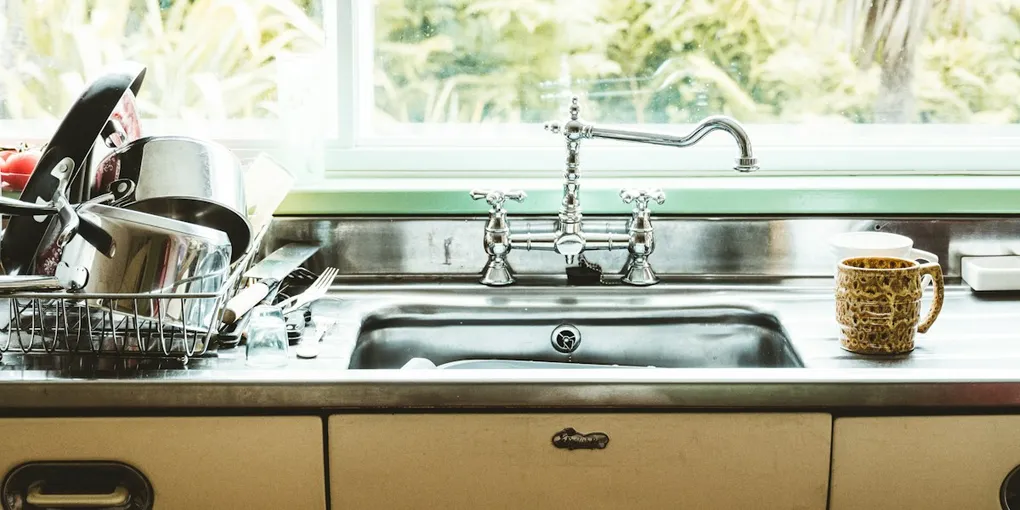
Dishwasher not cleaning well: (1) Clean the filter. Modern dishwashers (post-2010) have a removable manual filter at the bottom of the tub — if it's clogged with food debris, the wash water recirculates dirty. Remove it, rinse under running water, and scrub with a brush. (2) Check the spray arms. Remove both spray arms (usually twist off) and use a toothpick or wire to clear any clogged holes. (3) Run hot water in the sink before starting the dishwasher — the first water entering the dishwasher should already be hot.
Frequently Asked Questions
How do I clean a dishwasher filter?
Most dishwashers made after 2010 have a manual filter at the bottom of the tub (older machines had self-cleaning filters with a grinder). Locate the filter: it's in the center or back-corner of the tub floor, usually a cylindrical mesh filter that twists out. Turn counterclockwise to unlock, lift out. If there's also a flat filter screen: remove that too. Rinse both under hot running water. Use a soft brush (old toothbrush) to scrub accumulated grease and food debris. Reinstall. Clean monthly for normal use, weekly for heavy use.
How do I check and clean the spray arms?
The spray arms (usually two — one at the bottom, one at the middle or top) rotate and spray water through small holes. If holes are clogged with mineral deposits or food debris: the spray pattern is disrupted and dishes in certain areas don't get clean. Remove the arms (most twist off counterclockwise, or have a center nut). Hold each arm up to light and look through each hole — they should be clear. Use a toothpick, wooden skewer, or thin wire to poke through each clogged hole. Rinse thoroughly. Soak in white vinegar for 30 minutes for mineral deposits.
What temperature does the water need to be for effective dishwashing?
The dishwasher's internal heater boosts water temperature, but it performs best when the incoming water is already hot. The wash cycle works best at 120–140°F. If incoming water is 70°F (cold water from a long run of pipe), the heater takes a long time to reach temperature — the wash cycle may start before it fully heats. Fix: run the hot water in the kitchen sink until it's hot before starting the dishwasher. Also: confirm your water heater is set to at least 120°F (though no higher than 140°F for scald prevention with young children).
My dishwasher leaves white film on glasses. Is that different from poor cleaning?
White film on glassware (especially wine glasses) is hard water mineral deposits (calcium/magnesium). This is separate from cleaning performance — the dishwasher may be cleaning food off dishes fine but leaving mineral deposits from the rinse water. Fixes: (1) Use a rinse aid (Finish, Cascade) in the dispenser — it prevents water from sheeting and leaving deposits. (2) Use a dishwasher cleaner (Affresh, Finish Dishwasher Cleaner) monthly to remove mineral buildup inside the machine. (3) If hard water is severe: a whole-house water softener eliminates the problem.
Dishes on the top rack are not clean but the bottom rack is fine. What causes that?
Top-rack cleaning failures usually point to: (1) The upper spray arm is clogged — water isn't reaching the top rack. Clean the upper spray arm holes. (2) Dishes on the bottom rack are blocking the upper spray arm from rotating — large pans or tall items on the bottom can extend above the lower rack and block the arm. Rearrange loading. (3) The water inlet pressure is low — if pressure is insufficient, the upper spray arm doesn't get enough flow. Check if the dishwasher fill time is longer than usual.
Dishwasher not cleaning well: (1) Clean the filter. Modern dishwashers (post-2010) have a removable manual filter at the bottom of the tub — if it’s clogged with food debris, the wash water recirculates dirty.
Dishwasher cleaning problems are almost always maintenance issues — not mechanical failures.
What you need
- Old toothbrush
- Thin wire or toothpicks
- White vinegar
- Dishwasher cleaning tablet (Affresh or Finish)
- Rinse aid (Finish or Cascade rinse aid)
Step 1: Clean the filter
Pull out the lower rack. Locate the filter assembly at the bottom of the tub. Twist out the cylindrical filter (counterclockwise) and lift out any flat screen beneath it.
Rinse under hot water. Scrub with a toothbrush. Reinstall.
Step 2: Clean the spray arms
Remove the bottom spray arm (lift and twist or remove the center nut). Remove the upper spray arm if accessible (twist counterclockwise from the mount).
Hold each arm up to the light. Use a toothpick to clear any clogged holes. Soak 30 minutes in white vinegar if mineral deposits are visible (white scale around holes).
Rinse, reinstall.
Step 3: Run hot water before starting
Turn on the hot water in the kitchen sink and run it for 30 seconds until it’s hot. Then start the dishwasher. This ensures the machine starts its cycle with hot water.
Step 4: Run a cleaning cycle
Add a dishwasher cleaning tablet (or 1 cup of white vinegar in a bowl placed upright on the bottom rack). Run the machine on the hottest setting with no dishes. This removes grease and mineral buildup from the interior.
Step 5: Check rinse aid
Open the rinse aid dispenser (inside the door, near the detergent dispenser) and confirm it’s full. Refill with a liquid rinse aid. This prevents white film on glassware.
Related guides
- How to Clean a Dishwasher — full interior cleaning procedure
- How to Fix a Dishwasher Not Draining — drain issues after cleaning
- How to Install a Dishwasher — replacement when repair isn’t enough
- Clean the filter
Remove the lower rack. Locate the cylindrical filter at the bottom of the tub. Twist counterclockwise and lift out; then remove the flat mesh screen beneath it. Rinse both under hot running water and scrub with an old toothbrush. Reinstall the flat screen first, then the cylindrical filter (turn clockwise to lock). Run a rinse cycle to confirm.
- Clean the spray arms
Remove the bottom spray arm (lift and twist or remove center nut). Remove the upper spray arm if accessible. Hold each arm up to light and inspect every hole. Use a toothpick or thin wire to clear clogged holes. Soak arms in white vinegar for 30 minutes if white mineral scale is visible around holes. Rinse and reinstall.
- Run hot water before starting the dishwasher
Turn on the kitchen hot water tap and let it run 30 seconds until the water is hot to the touch. Then immediately start the dishwasher. This ensures the first water entering the machine is already at temperature — the wash cycle works best at 120-140°F and the internal heater can't compensate fast enough if cold water enters first.
- Run a cleaning cycle
Place a dishwasher cleaning tablet (Affresh or Finish) in the bottom of the tub, or set a cup of white vinegar upright on the bottom rack. Run the hottest cycle available with no dishes. This removes grease and mineral buildup coating the interior walls, pump, and jets.
- Check and refill rinse aid
Open the rinse aid dispenser inside the door (next to the detergent compartment). Confirm it is full — an empty dispenser causes white film on glassware. Refill with liquid rinse aid (Finish or Cascade rinse aid). The dispenser releases a small amount into each rinse cycle to prevent water from sheeting and leaving deposits.
Free: 10-Point Home Maintenance Checklist
Prevent costly repairs with this seasonal checklist. Save hundreds every year by catching problems early.
Your checklist is ready!
Open Checklist →Something went wrong. View the checklist here.