How to Fix a Broken Kitchen Drawer Front
Reattach or replace a broken kitchen drawer front panel using the right hardware and techniques for a clean, solid result that looks factory-installed.
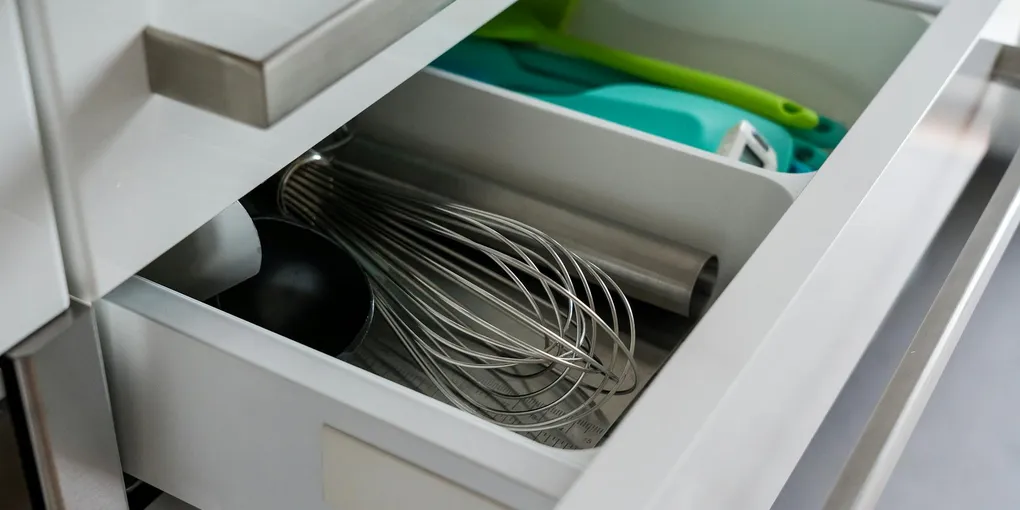
Fixing a kitchen drawer front that has fallen off or is loose: (1) Drawer fronts are separate from the drawer box and attach with screws from inside the box. Look inside the open drawer for 2 to 4 screws going through the front of the box and into the decorative front panel. (2) Loose front: tighten those screws. If the holes are stripped, apply wood glue to toothpicks, insert into holes, let cure, then re-drive. (3) Front that has completely detached: check if the screws pulled through or the front panel split. If pulled through: use larger screws with wider heads. If the front cracked: glue with wood glue and clamp, re-attach when cured. (4) Replacing a damaged front: measure height and width precisely. Cabinet door companies (like Door Stop North America, Walzcraft) cut replacement drawer fronts to size. Match the profile, wood species, and finish. A replacement drawer front typically costs $30 to $80.
Frequently Asked Questions
Why do kitchen drawer fronts come loose or fall off?
Most drawer fronts are attached to the drawer box with screws from inside the box, passing through the face frame into the back of the drawer front panel. Over years of pulling, the screws work loose in their holes or the holes become stripped. Occasionally the drawer front itself cracks at the screw locations under repeated stress.
Can I reattach a drawer front without replacing it?
Yes, if the panel itself is intact and the crack or separation is at the fastener location. Fill the stripped screw holes, realign the panel, and re-fasten. If the panel is cracked, split, or warped, replacement is the better long-term solution.
How do I get the right replacement drawer front if my kitchen is older?
Measure the existing fronts precisely: height, width, and thickness. Note the cabinet manufacturer if labeled inside the cabinet. Many kitchen cabinet manufacturers sell replacement doors and drawer fronts directly. Home centers also carry stock sizes in common wood species. Custom fronts can be ordered from online cabinet component suppliers if stock sizes do not match.
What screws should I use to reattach a drawer front?
Use 1-1/4 to 1-1/2 inch coarse-thread drywall or cabinet screws for most drawer front reattachments. The screw needs to pass through the drawer box face (typically 3/4-inch plywood or MDF) and bite into the back of the drawer front panel. Do not use screws so long that they risk punching through the front face of the drawer panel.
My drawer front is warped. Can I flatten it?
Minor warping in solid wood can sometimes be corrected by clamping the panel flat and applying moisture to the concave side, then allowing it to dry under clamps. MDF or particleboard fronts that have warped from moisture exposure cannot be reliably flattened and should be replaced.
How do I align the drawer front perfectly after reattachment?
Tape the drawer front to the drawer box in the correct position using painter tape to hold it temporarily while you open and close adjacent drawers to check the reveal. Once aligned, clamp and drill pilot holes before driving screws. Take your time — gaps that are off by 1/16 inch are very visible on a finished kitchen.
Fixing a kitchen drawer front that has fallen off or is loose: (1) Drawer fronts are separate from the drawer box and attach with screws from inside the box. Look inside the open drawer for 2 to 4 screws going through the front of the box and into the decorative front panel.
A kitchen drawer front that is cracked, loose, or has fallen off entirely is more than just unsightly — it makes the drawer difficult to open and can expose the interior of the drawer box to grease and debris. The fix is almost always simpler than it looks. Whether your drawer front needs to be reattached, reinforced, or fully replaced, this guide covers every scenario so you can restore your kitchen to a clean, functional state.
Understanding Drawer Front Construction
Before starting any repair, it helps to understand how drawer fronts are built. In most modern kitchens, what you see on the front of the drawer is called the “false front” or “drawer front panel.” This decorative panel is separate from the actual drawer box (the structural container that holds your utensils or cutlery).
The drawer box is typically made from plywood or solid wood sides, joined at the corners, and rides on metal slides inside the cabinet. The drawer front panel is attached to the face of the drawer box from inside — screws pass through holes in the drawer box face and thread into the back of the panel. The panel overlaps the cabinet opening slightly on all four sides, hiding the gap between the drawer box and the cabinet frame.
This construction means you can remove the drawer front without affecting the drawer box or its slides — a big advantage when repairs or replacements are needed.
Diagnosing the Problem
Loose drawer front (not fully detached). The drawer front wiggles, tilts, or has visible gaps on one side. The attachment screws have stripped out their holes or are simply loose.
Fully detached drawer front. The panel has separated from the drawer box entirely. This is the same problem as above, just further along.
Cracked panel at screw locations. The wood or MDF of the drawer front has cracked around the screw holes from repeated stress. You can see the crack or feel the panel flex at that point.
Broken or split panel. The drawer front is cracked across its face from impact or stress. Depending on the severity, this may be a cosmetic or structural issue.
What You Need
- Cabinet Screws (1-1/4 inch, Coarse Thread) — for reattaching the drawer front to the drawer box
- Wood Filler or Epoxy Wood Putty — for filling stripped screw holes before re-driving
- Clamps (Bar Clamps or F-Clamps) — for holding the panel in position during alignment and fastening
- Painter Tape — for temporarily holding the drawer front in alignment while marking holes
- Drill and Bits — for drilling pilot holes and driving screws
- Wood Glue — for reinforcing cracked panels before reattachment
- Touch-Up Paint or Stain — for covering any visible repair marks on the panel face
Step 1: Remove the Drawer
Pull the drawer out as far as it will go. Most modern drawer slides have a release mechanism — either a small lever you press down while pulling, or a plastic tab you push in on each side simultaneously while pulling the drawer outward. The drawer will disengage from the slides and come free.
Set the drawer on a workbench or the kitchen counter where you can work comfortably on it. If the drawer front is still attached but loose, leave it in place for now and move to Step 2.
Step 2: Assess the Existing Attachment Points
Look inside the drawer box at the face panel. You should see two to four screw holes where screws pass through into the drawer front. Check the condition of these holes:
Are the screws tight but the panel is still loose? The panel material itself may have cracked around the screw shafts.
Do the screws spin without tightening? The screw holes in the drawer box face are stripped. The threads have nothing to grip.
Are the screws missing entirely? The screws backed out and fell away over time.
Identify which scenario applies — it determines the fix.
Step 3: Repair Stripped Screw Holes
Stripped holes in the drawer box face are the most common cause of a loose drawer front. The fix is to restore thread grip in the hole.
Wooden toothpick method. Apply a small amount of wood glue to the tip of one or two wooden toothpicks and push them into the stripped hole until snug. Break off the excess flush with the surface. Let the glue dry for one hour. The toothpick wood gives the screw new material to bite into.
Wood filler method. Fill the stripped hole with epoxy wood filler. Let it cure fully (typically 2 to 4 hours). Drill a new pilot hole slightly smaller than the screw diameter into the center of the cured filler. This creates a fresh anchor point.
Do not simply use a larger screw to try to grab the stripped hole — this works briefly but the larger screw destroys the surrounding wood and leaves you with an even bigger hole next time.
Step 4: Repair a Cracked Drawer Front Panel
If the panel has cracked at or near the screw locations, reinforce it before reattaching.
- Work wood glue into the crack using a thin tool (a playing card or knife blade works well). Press the glue fully into the crack — do not just coat the surface.
- Clamp the crack closed. Wipe away any glue that squeezes out immediately with a damp cloth.
- Let the glue cure for a full 24 hours before loading the joint with screw stress again.
- Once cured, reinforce the area by adding a washer behind the screw head inside the drawer box. The larger bearing surface of the washer distributes the clamping force over more wood area, reducing the chance of the crack reopening.
Step 5: Align the Drawer Front
This is the most critical step. A misaligned drawer front looks terrible and is obvious to anyone who walks into the kitchen.
Reference your reveal. The reveal is the even gap that should appear all around the drawer front where it meets adjacent drawer fronts and the cabinet frame. In most kitchens this gap is 1/16 to 1/8 inch on all sides.
- Hold the drawer front against the drawer box in what looks like the correct position.
- Apply three or four strips of painter tape across the joint from the back side to hold the panel in place temporarily.
- Slide the drawer back onto its slides and push it closed.
- Stand back and look at the reveal. Compare it to the adjacent drawer fronts and cabinet doors.
- Open the drawer and check from the back whether the panel is flush and square against the drawer box face.
- Adjust as needed. Peel the tape, shift the panel, retape, and check again. Take your time — small adjustments are much easier to make now than after screws are driven.
Step 6: Fasten the Drawer Front
Once the alignment is perfect:
- While the drawer is on its slides, mark the existing screw hole locations on the back of the drawer front with a pencil or awl through the holes in the drawer box face.
- Remove the drawer from the slides.
- Drill pilot holes at the marks on the back of the drawer front. The pilot hole should be slightly smaller in diameter than the screw shank and stop well short of the panel face.
- Apply a small bead of wood glue to the drawer box face for additional bonding strength (optional but recommended for panels that have come loose before).
- Press the drawer front into position, aligning the pilot holes with the drawer box holes.
- Drive the screws firmly. Do not overtighten — stop when the panel draws firmly against the drawer box without the screw continuing to turn.
- Reinstall the drawer and do a final check of the reveal from a standing position.
Step 7: Touch Up and Finish
Examine the front face of the panel for any visible damage — tool marks, paint chips from the fall, or crack lines that show through the finish. Apply touch-up paint or stain to any visible blemishes using a small artist brush. Feather the edges of touch-up paint into the surrounding finish to minimize visible boundaries.
For painted cabinets, a slightly overfilled repair sanded smooth and repainted matches almost perfectly. For stained wood cabinets, use a stain marker or gel stain applied with a cloth in the direction of the grain.
Allow all touch-up work to dry fully before using the drawer.
Replacing a Beyond-Repair Drawer Front
If the panel is badly cracked, warped, or missing, replacement is the right call. Measure the existing fronts precisely: height, width, and thickness. Most replacement drawer fronts are 3/4-inch thick. Order a replacement from the original cabinet manufacturer, a kitchen cabinet parts supplier, or a local cabinet shop. Many online suppliers let you specify the exact species, style, and finish to match your existing kitchen.
Related Reading
- How to Fix a Kitchen Cabinet Door That Will Not Close
- How to Install Under-Cabinet Lighting
- How to Organize a Kitchen for Maximum Efficiency
- Remove the Drawer
Pull the drawer out as far as it will go. Most modern drawer slides have a release mechanism — either a small lever you press down while pulling, or a plastic tab you push in on each side simultaneously while pulling the drawer outward.
- Assess the Existing Attachment Points
Look inside the drawer box at the face panel. You should see two to four screw holes where screws pass through into the drawer front. Check the condition of these holes:
- Repair Stripped Screw Holes
Stripped holes in the drawer box face are the most common cause of a loose drawer front. The fix is to restore thread grip in the hole.
- Repair a Cracked Drawer Front Panel
If the panel has cracked at or near the screw locations, reinforce it before reattaching.
- Align the Drawer Front
This is the most critical step. A misaligned drawer front looks terrible and is obvious to anyone who walks into the kitchen.
- Fasten the Drawer Front
While the drawer is on its slides, mark the existing screw hole locations on the back of the drawer front with a pencil or awl through the holes in the drawer box face.
Free: 10-Point Home Maintenance Checklist
Prevent costly repairs with this seasonal checklist. Save hundreds every year by catching problems early.
Your checklist is ready!
Open Checklist →Something went wrong. View the checklist here.