How to Fix a Broken Door Hinge Pin
Learn how to remove, replace, or repair a broken or loose door hinge pin to stop a sagging door and restore smooth, quiet operation.
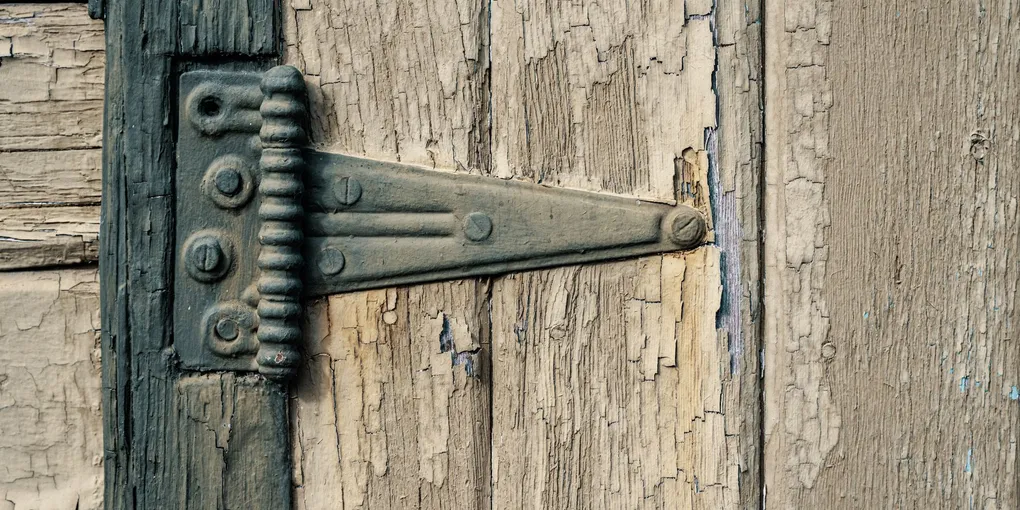
Fixing a broken or worn door hinge pin: (1) If the pin has walked up or popped out: close the door, tap the pin back down with a hammer and nail set, and bend a small hook at the bottom to hold it in. A dab of petroleum jelly on the pin stops squeaking. (2) If the pin is corroded and stuck: spray with penetrating oil, wait 15 minutes, tap down to loosen, then pull up with pliers. (3) If the knuckle of the hinge is bent (pin won't seat): replace the entire hinge — it is the same process and replacement hinges run $3 to $12. (4) To replace: support the door weight (wedge under the bottom corner), pop the pin, slide the knuckle apart. Install the new hinge in the existing mortise. (5) Door sagging at the latch: the problem is usually loose hinge screws, not a worn pin. Tighten screws; for stripped holes, insert a wooden toothpick with glue and re-drive.
Frequently Asked Questions
How do I remove a stuck hinge pin?
Place a flathead screwdriver against the bottom of the hinge pin (there is a small exposed gap at the base of the pin on most hinges) and tap the handle firmly upward with a hammer. The pin should start to rise out of the barrel. If it is severely corroded or painted over, use a nail set or a punch against the bottom of the pin and drive it upward with firmer hammer strikes. Penetrating oil applied at the top and bottom of the barrel and allowed to soak for 10 minutes helps loosen corroded pins significantly.
Why does my hinge pin keep falling out?
A hinge pin that repeatedly falls out usually has a worn or damaged head that no longer catches on the top of the barrel. The fix: replace the pin entirely with a new one. As a temporary measure, remove the pin and use pliers to slightly crimp or bend the very tip of the pin shaft — this creates a small interference fit that keeps the pin from walking back out. A proper replacement pin is the permanent solution.
What size hinge pin do I need to buy?
Most interior residential door hinges use a standard 3.5-inch hinge (measured along the leaf edge), which takes a pin approximately 3-3/8 inches long and 5/16 inch in diameter. Exterior doors often use larger 4-inch hinges. Bring your old hinge or pin to the hardware store to match the size exactly, or measure the barrel height. Hinge pins are not universal — an undersized pin will rattle and an oversized one will not fit into the barrel.
Can a broken hinge pin cause a door to sag?
Yes. A missing or severely damaged pin in any hinge — especially the top hinge — allows the hinge leaves to separate and the door to sag at the latch side. A sagging door that sticks, drags on the floor, or will not latch properly is often caused by a failed pin or loose hinge screws rather than a warped door or misaligned frame. Check the pins and screws in all hinges before assuming the door or frame needs adjustment.
Should I replace just the pin or the whole hinge?
Replace just the pin if the hinge barrel and leaves are in good condition — pins are inexpensive and the swap is quick. Replace the whole hinge if the barrel is bent or cracked, if the hinge leaves are cracked or have stripped screw holes, or if the hinge is visibly corroded through. A replacement hinge for a standard interior door costs $3 to $8 at a hardware store.
How do I lubricate a squeaky door hinge?
Remove the hinge pin by tapping it up from the bottom with a screwdriver and hammer. Apply a thin coat of petroleum jelly, white lithium grease, or a dry lubricant like WD-40 Dry Lube to the pin shaft and the inside walls of the barrel. Reinsert the pin and open and close the door several times to distribute the lubricant. Avoid using standard WD-40 as a long-term lubricant — it cleans well but is not a lasting lubricant and must be reapplied frequently.
Fixing a broken or worn door hinge pin: (1) If the pin has walked up or popped out: close the door, tap the pin back down with a hammer and nail set, and bend a small hook at the bottom to hold it in. A dab of petroleum jelly on the pin stops squeaking.
A broken, stuck, or missing hinge pin is one of the simplest door fixes you can do. Most repairs take under 15 minutes with tools you already have.
What You Need
- Replacement door hinge pins (standard 3.5-inch residential set)
- Hammer
- Flathead screwdriver (wide blade)
- Nail set or center punch
- White lithium grease or hinge lubricant
- Penetrating oil (for corroded pins)
- Pliers
Step 1: Identify the Problem Pin
Open the door to 90 degrees and look at each hinge. Problems to look for:
- Pin sitting visibly high: The pin has backed partway out of the barrel. It will continue to walk upward until it falls out.
- Pin missing entirely: The hinge leaves are held together only by the barrel walls — the door may sag or the hinge may separate.
- Pin that will not move: Painted over, corroded, or bent inside the barrel.
- Broken pin: A pin snapped in the barrel, usually from a long period of corrosion followed by a failed removal attempt.
Work on hinges from bottom to top. Removing the bottom pin first, then the middle, then the top is easier than reversing the order since the door weight bears down on the lower hinges.
Step 2: Tap Out the Old Pin
Hold a wide flathead screwdriver at the bottom gap of the hinge barrel — the small opening at the base where the pin enters. Angle the screwdriver upward against the bottom of the pin and strike the screwdriver handle firmly with a hammer.
If the pin does not budge:
- Apply penetrating oil at the top opening and bottom gap of the barrel. Wait 10 minutes.
- Try again with firmer hammer strikes.
- For a painted-over pin, score around the pin head at the top of the barrel with a utility knife to break the paint bond, then tap from below.
If the pin snapped inside the barrel and you cannot reach it from below: drill a small pilot hole through the bottom of the barrel (carefully, staying centered) and drive a nail set upward to push the broken piece out from below.
Step 3: Inspect the Barrel and Leaves
With the pin removed, look inside the barrel. It should be round, clean, and free of significant rust or deformation. Test the hinge leaves — they should swing freely on the barrel. If the barrel is bent (the leaves do not swing freely), the entire hinge needs replacement.
Look at the screw holes in both hinge leaves. If any hole is stripped (the screws turn without biting into the wood), address the stripped holes before reinstalling the hinge:
- Small strip: Remove the screw, pack the hole with wood glue and toothpicks or a wood golf tee trimmed flush, let dry, and re-drive the screw.
- Larger strip: Use a longer screw (3 inches instead of the original 3/4-inch hinge screw) to reach solid framing wood behind the jamb.
Step 4: Clean and Lubricate the Barrel
With the old pin out, wipe the interior of the barrel clean with a cloth or paper towel. Apply a thin film of white lithium grease or petroleum jelly to the inside walls of the barrel and to the full length of the new pin shaft.
Do not skip lubrication. A dry hinge pin corrodes and seizes over years, making future removal difficult. A lubricated pin slides smoothly and lasts for decades.
Step 5: Install the New Pin
Insert the new pin into the barrel from the top (the pin head sits at the top of the barrel, flush with or slightly proud of the top of the barrel cap). Push it in by hand as far as it will go, then tap it fully home with a hammer.
The pin is correctly seated when:
- The head sits flush with or just above the top of the barrel (not recessed inside)
- The tip of the pin does not protrude below the bottom of the barrel
- The hinge leaves move freely with no binding
If the new pin is slightly too long (tip protrudes at the bottom), tap it back up slightly until the tip is flush with the bottom of the barrel.
Step 6: Test the Door
Close and open the door several times. It should swing smoothly without binding, squeaking, or dragging. The latch should engage the strike plate without needing to lift or push the door.
If the door still sags or sticks after replacing the pins:
- Check all hinge screws: Loose screws in any leaf allow the door to sag even with good pins. Tighten all six to eight hinge screws (two per leaf per hinge, typically three hinges on an exterior door).
- Check the hinge leaf alignment: A hinge leaf that is not fully mortised into the jamb or door edge (sits proud of the surface) throws the door out of square. The leaves should sit perfectly flush with the surface.
- Check the door itself: If the door drags at the top corner near the latch and the hinges are all solid, the door may have swollen from humidity. Light sanding or planning of the sticking area corrects this.
Replacing the Entire Hinge
If the barrel is damaged or the leaves are cracked, replace the full hinge:
- Remove the door from the frame by pulling all three pins completely and lifting the door free of the frame. Have a helper hold the door steady.
- Unscrew the old hinge leaves from both the door edge and the jamb.
- Install the new hinge in the same mortises (the recessed pockets cut for the hinge leaves). If the new hinge is slightly different in size, use a sharp chisel to trim the mortise to fit.
- Rehang the door by sliding the door-side leaf into the frame-side leaf, aligning the barrels, and tapping the pin home from the top.
Related Guides
- Identify the Problem Pin
Open the door to 90 degrees and look at each hinge. Problems to look for:
- Tap Out the Old Pin
Hold a wide flathead screwdriver at the bottom gap of the hinge barrel — the small opening at the base where the pin enters. Angle the screwdriver upward against the bottom of the pin and strike the screwdriver handle firmly with a hammer.
- Inspect the Barrel and Leaves
With the pin removed, look inside the barrel. It should be round, clean, and free of significant rust or deformation. Test the hinge leaves — they should swing freely on the barrel.
- Clean and Lubricate the Barrel
With the old pin out, wipe the interior of the barrel clean with a cloth or paper towel. Apply a thin film of white lithium grease or petroleum jelly to the inside walls of the barrel and to the full length of the new pin shaft.
- Install the New Pin
Insert the new pin into the barrel from the top (the pin head sits at the top of the barrel, flush with or slightly proud of the top of the barrel cap). Push it in by hand as far as it will go, then tap it fully home with a hammer.
- Test the Door
Close and open the door several times. It should swing smoothly without binding, squeaking, or dragging. The latch should engage the strike plate without needing to lift or push the door.
Free: 10-Point Home Maintenance Checklist
Prevent costly repairs with this seasonal checklist. Save hundreds every year by catching problems early.
Your checklist is ready!
Open Checklist →Something went wrong. View the checklist here.