How to Clean a Toilet (The Right Way)
Step-by-step guide to cleaning a toilet thoroughly — including the parts most people miss: under the rim, the tank, jet holes, and hinges.
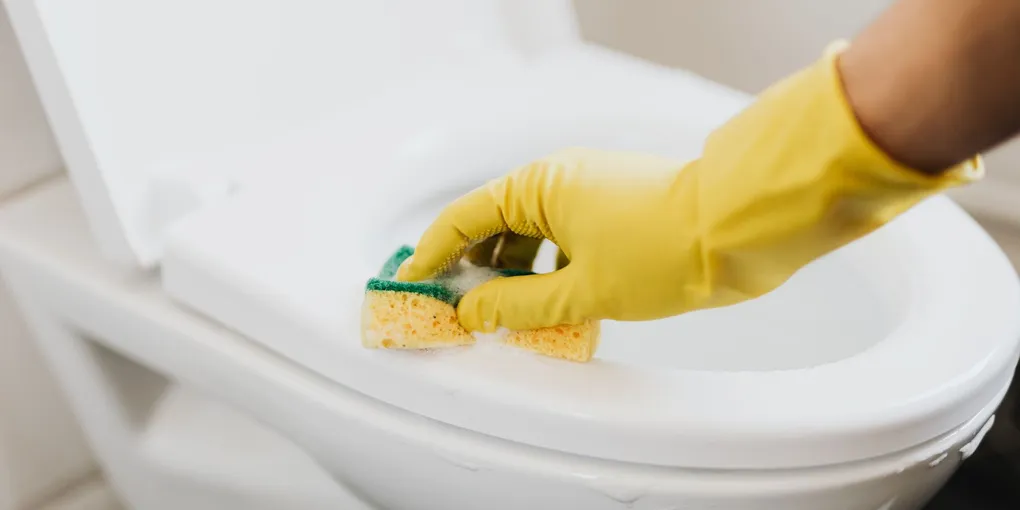
Cleaning a toilet properly: (1) Apply toilet bowl cleaner inside the rim, let it soak 5–10 minutes. (2) While it soaks, spray disinfectant on the exterior — lid, seat (both sides), base, and the tank. Wipe with paper towels or a dedicated cloth. (3) Scrub the bowl — brush under the rim where jet holes hide mineral deposits, then the bowl and down into the trap. (4) Flush to rinse the bowl. (5) Clean hinge bolts and the underside of the seat — most people miss these. Weekly cleaning takes under 10 minutes. For hard water stains: white vinegar or a pumice stone on wet porcelain; for ring stains: toilet bowl cleaner with hydrochloric acid (Zud, The Works).
Frequently Asked Questions
How often should you clean a toilet?
The bowl and seat should be cleaned weekly. The tank interior only needs cleaning 1-2 times per year unless you notice staining, mineral buildup, or that odd musty smell when you lift the lid.
What is the best toilet bowl cleaner for hard water stains?
A pumice stone is the most effective tool for hard water rings — it removes mineral deposits without scratching porcelain. For chemical options, Iron Out or Lime-A-Way work better than standard Lysol on calcium and rust stains. Apply, let sit 10-15 minutes, then scrub.
How do you clean under the toilet rim?
Squirt cleaner up under the rim, letting it drip down the bowl walls. Use a curved toilet brush to scrub the underside of the rim. You can also use an old toothbrush or a specialized rim brush to reach the jet holes (the small holes under the rim that direct flush water).
Should you clean the inside of your toilet tank?
Yes, once or twice a year. Bacteria, mold, and mineral deposits build up in the tank. Add 1 cup of white vinegar to the tank (no scrubbing needed for light maintenance) or use a tank cleaner tablet. A dirty tank is a common cause of phantom flushes and persistent bowl odors.
How do you remove a black ring in the toilet bowl?
A black ring is usually mold or mineral buildup at the waterline. For mold: apply bleach-based cleaner, let sit 10 minutes, then scrub. For mineral buildup: use a pumice stone with water or Lime-A-Way. The ring comes back faster when the tank flapper has a slow leak (water trickles, mineral deposits concentrate at the waterline) — so check your flapper if the ring is recurring.
Is it safe to mix bleach and toilet bowl cleaner?
No. Many toilet bowl cleaners contain acids. Mixing acid-based cleaners with bleach releases chlorine gas, which is toxic. Use one product at a time, rinse thoroughly between products, and never pour bleach directly into a bowl that already has cleaner in it.
How do I deodorize a toilet that smells even after cleaning?
Persistent odor after cleaning usually has one of three causes: (1) Wax ring failure at the base — sewer gas leaks up around a degraded wax ring. Symptom is a sulfur/sewer smell that worsens when the toilet is flushed. Fix requires removing the toilet and replacing the wax ring ($15-40 part, $150-250 plumber). (2) Dirty tank — bacteria and mold in the tank emit odor every time it refills. Add 1 cup white vinegar to the tank, let sit 30 minutes, flush; repeat monthly. (3) Clogged siphon jet holes under the rim — blocked holes harbor bacteria. Scrub with a bent toothbrush and a bowl cleaner with hydrochloric acid (The Works, Zud). If cleaning the jet holes resolves it, maintain them monthly.
How do I remove rust stains from a toilet bowl?
Standard toilet bowl cleaners don't remove rust — you need an iron-dissolving acid. Iron Out Toilet Bowl Cleaner, CLR, or The Works (hydrochloric acid-based) are the most effective options. Apply under the rim and to the stained area, let sit 10-15 minutes, scrub with the toilet brush, flush. For deep rust rings that don't fully respond to chemicals, a wet pumice stone on porcelain removes the stain without scratching — keep the stone wet and use light circular strokes. Rust recurs when water supply has high iron content (well water or older pipes) — a whole-house iron filter eliminates recurring rust deposits at the source.
Cleaning a toilet properly: (1) Apply toilet bowl cleaner inside the rim, let it soak 5–10 minutes. (2) While it soaks, spray disinfectant on the exterior — lid, seat (both sides), base, and the tank.
A clean toilet takes about 10 minutes once you have a system. The difference between a mediocre clean and a thorough one usually comes down to the parts most people skip: under-rim jet holes, the exterior base, seat hinges, and the tank interior.
What You Need
Cleaning agents:
- Toilet bowl cleaner (Lysol Power, Clorox, or Lime-A-Way for hard water)
- Disinfecting spray or wipes (Clorox or Lysol)
- White vinegar (for tank maintenance)
Tools:
- Toilet brush with holder
- Old toothbrush or detail brush (for jet holes and hinges)
- Microfiber cloths or paper towels
- Rubber gloves
- Pumice stone (optional, for hard water rings)
Amazon picks:
- Lysol Power Toilet Bowl Cleaner — thick gel clings under the rim
- The Crown Choice Pumice Stone — best tool for hard water rings
- OXO Good Grips Toilet Brush + Holder — tight fit under the rim, easy storage
- Iron Out Toilet Bowl Cleaner — best for rust and iron stains
- Lime-A-Way Toilet Bowl Cleaner — best for calcium/hard water deposits
- Clorox Disinfecting Wipes — fast exterior wipe-down
- automatic toilet tank cleaner tablets — keep the tank clean between sessions
Step-by-Step: How to Clean a Toilet
Step 1: Apply Bowl Cleaner First (Let It Dwell)
Start with the bowl so the cleaner has time to work while you clean everything else. Squirt cleaner under the rim, letting it drip down the bowl walls. Coat the entire interior surface.
Don’t scrub yet. The point of dwell time is to let the cleaner loosen mineral deposits and kill bacteria before you touch it. Aim for at least 5 minutes — longer for stained bowls.
Step 2: Clean the Exterior Top to Bottom
While the bowl cleaner dwells, clean the outside of the toilet. Work from top (tank lid) down to the base.
Clean in this order:
- Tank lid (top and underside)
- Tank exterior (front, sides, back)
- Flush handle/button (high-touch surface — disinfect)
- Seat lid (top and underside)
- Seat surface (top and underside — disinfect both)
- Bowl exterior (sides, back, base)
- Floor around the base (bacteria collect here from aerosol splash)
Seat hinges: Remove the seat by pressing the plastic caps and unscrewing the bolts (or prying up the snap-off hinges). Clean the hinge points, the bolt holes in the bowl, and under the seat mounting points. Reinstall. This takes 2 minutes and is usually never done.
Use disinfecting spray or wipes on all surfaces. Apply, let sit 30 seconds (that’s the minimum dwell time for most disinfectants to actually kill bacteria — wiping immediately just spreads germs around).
Step 3: Scrub the Bowl
Now return to the bowl. Scrub with your toilet brush, focusing on:
- Under-rim lip: Angle the brush up to scrub the underside of the rim. This is where black buildup and bacteria accumulate because cleaning products don’t reach without deliberate effort.
- Jet holes: The small holes around the underside of the rim direct flush water. They clog with mineral deposits and bacteria. Use a bent old toothbrush or a detail brush to scrub each hole.
- Waterline: This is where hard water rings form. Regular scrubbing prevents buildup. For existing rings, see the Hard Water Stains section below.
- Bowl bottom and drain trap: Angle the brush into the drain opening and scrub the trap walls.
Flush to rinse.
Step 4: Clean the Tank Interior (Quarterly)
Most people never do this. Lift the tank lid and look inside.
Light maintenance: Add 1 cup of white vinegar, let sit 30 minutes, then flush. Prevents mineral buildup and light bacterial growth.
Full cleaning: Turn off the water supply valve (the valve on the wall behind/below the toilet), flush to empty the tank, spray the interior walls with disinfecting cleaner or a vinegar solution, scrub with a brush, rinse by turning the water back on and flushing twice.
A dirty tank is the most common cause of persistent bowl odors that don’t resolve with regular cleaning. It’s also a culprit in phantom flushing — mineral buildup under the flapper seat prevents a tight seal.
Step 5: Wipe Down the Seat and Lid Again
The exterior wipe you did in Step 2 is now dry. Do a final pass on the seat surfaces and the lid — this is the finishing wipe that leaves it looking clean, not streaked.
Hard Water Stains and Rust Rings
Brown/orange stains (iron/rust): Use Iron Out or Lime-A-Way. Apply, let sit 10-15 minutes, scrub. If the stain is old, repeat.
White/gray mineral scale: Lime-A-Way works well. For stubborn calcium buildup on the bowl walls, a wet pumice stone removes it without scratching porcelain. Keep the stone wet and use light circular strokes.
Black ring at waterline: Usually mold or a combination of mold + minerals. Apply bleach-based cleaner (not an acid cleaner — don’t mix), let sit 10 minutes, scrub. If it keeps coming back within days, you likely have a slow tank leak — the water trickles past the flapper, evaporates, and leaves mineral deposits at the waterline. Check the flapper for wear.
Toilet Cleaning Schedule
| Task | Frequency |
|---|---|
| Bowl + seat exterior wipe | Weekly |
| Full exterior scrub + seat removal | Monthly |
| Under-rim jet hole scrub | Monthly |
| Tank interior vinegar flush | Quarterly |
| Tank full clean | Once or twice a year |
| Pumice stone for hard water rings | As needed |
Related Reading
- How to Fix a Running Toilet — a running toilet often causes the waterline rings you’re scrubbing
- How to Unclog a Toilet — for the other common toilet problem
- How to Install a Toilet — when cleaning isn’t enough
- How to Clean Grout — same cleaning techniques for the floor around the base
- How to Deep Clean a Bathroom — the full bathroom cleaning routine this fits into
- Step-by-Step: How to Clean a Toilet
Under-rim lip: Angle the brush up to scrub the underside of the rim. This is where black buildup and bacteria accumulate because cleaning products don't reach without deliberate effort. Jet holes: The small holes around the underside of the rim direc
- Hard Water Stains and Rust Rings
Brown/orange stains (iron/rust): Use Iron Out or Lime-A-Way. Apply, let sit 10-15 minutes, scrub. If the stain is old, repeat.
- Toilet Cleaning Schedule
| Task | Frequency | |---
Free: 10-Point Home Maintenance Checklist
Prevent costly repairs with this seasonal checklist. Save hundreds every year by catching problems early.
Your checklist is ready!
Open Checklist →Something went wrong. View the checklist here.