Pest Control Cost 2026: $150–$400 One-Time or $40–$85/Visit Quarterly
Pest control costs $150–$400 one-time or $40–$85/visit on a quarterly plan. Termites $600–$3,500, bed bugs $500–$1,500. Full pricing by pest, treatment, and plan type.
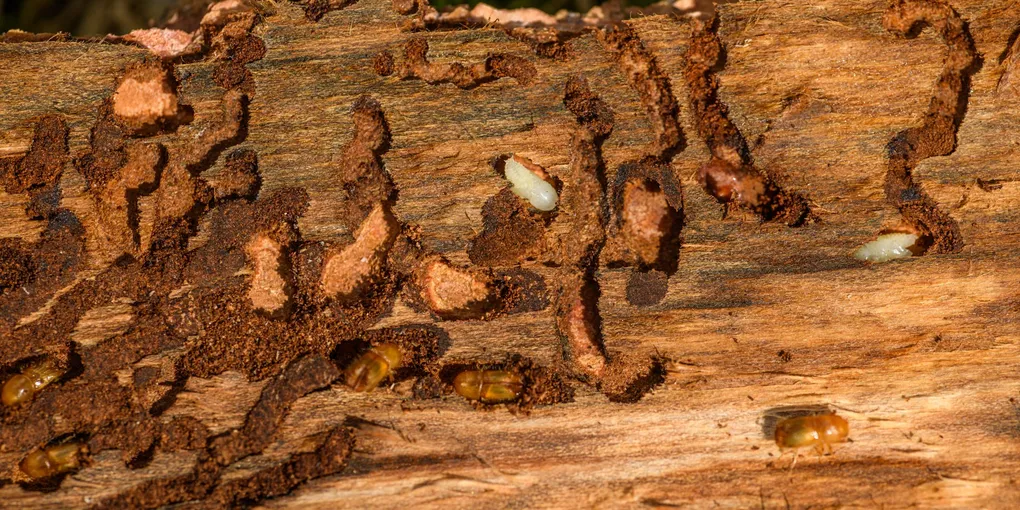
A one-time general pest control treatment costs $150-$400. Quarterly recurring plans run $40-$85 per visit ($160-$340 annual). Termite treatments run $600-$3,500 one-time or $150-$500 annual bond. Bed bug treatments are the most expensive at $1,000-$4,000. Rodent exclusion and removal costs $300-$1,500. Wildlife (raccoons, bats) runs $400-$2,500. DIY treatments cost $50-$300 but often miss the root cause.
Frequently Asked Questions
How much does pest control cost per year?
A standard quarterly recurring plan from a national pest control company runs $160-$340 annually. Monthly plans cost $400-$800/year. One-time visits are $150-$400. Add-ons like termite bonds ($150-$500/year), mosquito spraying ($400-$800/year), and tick treatments ($400-$700/year) increase the total.
Is pest control worth paying for?
For routine prevention in areas with active pest pressure (Southeast, Texas, coastal regions), yes. Quarterly service costs less than a single serious infestation. For mild climates or well-sealed homes with low pest pressure, DIY or call-as-needed service is often fine.
How much does termite treatment cost?
Liquid termiticide treatment (perimeter application): $1,000-$3,000. Termite bait stations: $1,500-$3,500 installation plus $150-$500/year monitoring. Spot treatment for localized activity: $250-$800. Full tent fumigation (drywood termites, rare outside California/Florida): $1,500-$5,000+.
How much does bed bug treatment cost?
Professional bed bug treatments run $1,000-$4,000 per home depending on method. Heat treatment is fastest and most expensive ($1,500-$4,000). Chemical treatments require 2-4 visits over 4-6 weeks ($500-$1,500 per visit). DIY bed bug treatment rarely succeeds — they're notoriously resistant to off-the-shelf pesticides.
How much to remove raccoons, squirrels, or bats from the attic?
Wildlife removal costs $300-$1,500 including trapping, exclusion work, and cleanup. Bats are the most expensive ($500-$2,500) because of required exclusion timing and state wildlife regulations. Attic sanitization after rodents or raccoons adds $400-$1,200 for contaminated insulation removal.
Pest control costs $100–$300 for a one-time treatment or $40–$70/month for quarterly prevention plans in 2026. Common jobs: general pest treatment $150–$300, termite inspection $75–$150, termite treatment $1,200–$3,500 (tenting), bed bug treatment $300–$1,500 per room. DIY options ($20–$60 in products) work for ants, roaches, and basic pest pressure; call a pro for termites, bed bugs, and infestations.
Pest control is one of those services where pricing varies wildly and upsells are common. This guide breaks down what standard pest control actually costs in 2026, pest-specific pricing, what DIY can handle, and when you should call a pro.
Quick Answer on Pest Control Cost
General pest control (ants, spiders, roaches, common bugs):
| Service Type | Cost |
|---|---|
| One-time general treatment | $150 - $400 |
| Monthly recurring | $40 - $70 per visit |
| Bi-monthly recurring | $50 - $80 per visit |
| Quarterly recurring | $40 - $85 per visit |
| Annual plan (4 visits) | $160 - $340 total |
| Initial start-up visit | $150 - $400 (often included free with 1-year plan) |
Pest-specific treatments:
| Pest / Service | Cost |
|---|---|
| Ant colony treatment | $100 - $400 |
| Cockroach (German roach) infestation | $200 - $800 |
| Bed bugs (heat treatment) | $1,500 - $4,000 |
| Bed bugs (chemical, 2-4 visits) | $1,000 - $2,500 |
| Termite treatment (liquid) | $1,000 - $3,000 |
| Termite bait stations + monitoring | $1,500 - $3,500 start, $150-$500/yr |
| Termite fumigation (tent) | $1,500 - $5,000+ |
| Mice/rat exclusion and removal | $300 - $1,500 |
| Raccoon removal + exclusion | $400 - $1,500 |
| Squirrel removal + exclusion | $300 - $800 |
| Bat exclusion (professional) | $500 - $2,500 |
| Wasp/hornet nest removal | $100 - $400 |
| Carpenter ant / wood-destroying ant | $200 - $700 |
| Mosquito seasonal treatment | $400 - $800/year |
| Tick yard treatment | $400 - $700/year |
| Flea treatment (indoor + yard) | $200 - $500 |
What Drives Pest Control Cost
Type of Pest
Nuisance pests (ants, spiders) are easy. Structural pests (termites, carpenter ants) cost more. Disease vectors (mosquitoes, ticks, rodents) require specialized treatment. Bed bugs and roaches are the hardest to eradicate.
Home Size
Most companies price by square footage tiers:
- Under 1,500 sq ft: base price
- 1,500-2,500 sq ft: +10-20%
- 2,500-4,000 sq ft: +25-40%
- Over 4,000 sq ft: +50-75%
Severity of Infestation
An early ant problem is a single $150 visit. A carpenter ant colony eating your framing is $400-$800 plus damage remediation. Early detection always saves money.
Region and Pest Pressure
The Southeast (termites, cockroaches, palmetto bugs, mosquitoes) and Southwest (scorpions, roaches, ants) have the highest baseline pest pressure. Pacific Northwest and Northeast generally lower.
Chemical-Free / Organic Options
Integrated Pest Management (IPM) and organic treatments cost 20-50% more. Methods include:
- Diatomaceous earth and silica gel (ants, roaches)
- Boric acid baits (roaches, ants)
- Beneficial nematodes (grubs, fleas)
- Essential oil sprays (limited effectiveness but low-toxicity)
- Cedarwood mulch barriers
Families with kids, pets, or chemical sensitivities often prefer IPM despite the cost premium.
DIY Pest Control: When It Works
DIY-Friendly Pests
- Common ants: Terro liquid ant baits are remarkably effective. Under $10 and often solves infestations in 1-2 weeks.
- Spiders: Spider spray around entry points in spring and fall.
- Wasps and hornets (small nests): Foaming wasp spray at dusk with protective gear.
- Mice (single intruder): Snap traps with peanut butter. $10 per trap.
- Fleas (minor): Vacuum + flea spray for carpets + pet treatment from vet.
- Stored-product pests (pantry moths, flour beetles): Pantry moth traps and cleaning out affected dry goods.
DIY-Risky Pests
- Roaches (especially German roaches): Gel baits (Advion cockroach gel bait) can work but require patience. Over-the-counter sprays can make infestations worse by scattering colonies.
- Carpenter ants: Finding the nest is the hard part. DIY works only if you identify the colony source.
- Termites: Almost always needs a pro.
- Bed bugs: DIY almost always fails. Pests are resistant to retail pesticides and hide in inaccessible places.
- Wildlife (raccoons, bats, skunks): Legal and safety issues. Always call a pro.
- Stinging insects in structures (yellow jacket nest in wall): Dangerous DIY. Call a pro.
Essential DIY Tools and Supplies
- Pump sprayer for liquid insecticides
- Duster for bait powder
- Cordless drill to install mesh in weep holes
- Caulk gun and silicone for sealing entry points
- Hardware cloth for blocking rodent entries
- Steel wool — rodents chew through foam but not steel
Termite Details
Termites cause about $5 billion in damage annually in the US. Most homeowner insurance doesn’t cover termite damage. Prevention costs far less than repair.
Liquid treatment: Perimeter trench around the foundation, filled with termiticide (Termidor, Premise). Creates a barrier under the house. 7-10 year effectiveness. $1,000-$3,000 installed.
Bait stations: Sentricon, Advance Termite Bait System, and similar. Stations placed around the perimeter. Monitored quarterly. Hits and kills entire colonies over several months. $1,500-$3,500 initial + $150-$500/year bond.
Termite bond / warranty: Annual contract with a pest company to retreat if termites return. $150-$500/year. Valuable if you’re in an active termite zone and planning to sell (required by VA loans, strongly preferred by buyers).
Fumigation (tenting): For drywood termites (mostly California, Florida, Hawaii). House is tarped and filled with Vikane gas. $1,500-$5,000+ depending on cubic footage. You stay elsewhere for 2-4 days.
Rodent Exclusion
Catching a mouse or rat is the easy part. Keeping them out is the real job.
Pro rodent service includes:
- Interior trapping (snap traps, bait stations, or electronic traps)
- Identifying entry points (mice fit through a 1/4 inch gap, rats through 1/2 inch)
- Sealing with steel mesh, hardware cloth, or spray foam
- Crawlspace and attic sanitization if droppings are significant
- Follow-up visits to confirm exclusion
Cost: $300-$1,500 total for a complete exclusion.
DIY rodent work can succeed if you’re thorough and patient. Seal every gap, use snap traps (not glue traps, which are slow and cruel), and inspect the exterior for entry points. $50-$200 in supplies.
Bed Bugs: The Hard Case
Bed bugs are the most hated pest problem for a reason. They’re small, they hide, they reproduce fast, and they’re highly resistant to most over-the-counter pesticides.
Heat treatment: Pro raises the entire home (or affected rooms) to 120°F+ for 6-8 hours. Kills all life stages including eggs. One visit, done. $1,500-$4,000.
Chemical treatment: 2-4 visits over 4-6 weeks. Pest professional treats cracks, mattresses, furniture, and carpet edges. Cheaper than heat but slower, and bed bugs can develop resistance. $1,000-$2,500 total.
Mattress encasements: Bed bug proof mattress encasements trap any bugs remaining on the mattress and prevent reinfestation. Essential part of any treatment. $25-$75 per bed.
Prevention:
- Inspect hotel mattresses and luggage when traveling
- Don’t bring used furniture home without careful inspection
- Use luggage racks away from walls
- Wash travel clothes in hot water immediately
Wildlife Removal
Raccoons, squirrels, bats, skunks, opossums — urban wildlife increasingly end up in attics, chimneys, and crawlspaces.
Raccoons: Trapping, removal of any babies, and exclusion. Can be costly because raccoons damage insulation, wiring, and ductwork extensively. $400-$1,500.
Squirrels: Trapping and exclusion. Often easier than raccoons. $300-$800.
Bats: State-regulated — many states prohibit killing bats and require exclusion during specific seasons only. Professional exclusion uses one-way doors. $500-$2,500.
Skunks: Spray risk and possible rabies issues. Pros only. $300-$800.
Cleanup after wildlife: Contaminated insulation (guano, urine) should be removed and replaced. $400-$1,200. Insurance sometimes covers this if there’s structural damage.
Evaluating Pest Control Quotes
Questions to Ask
- What chemicals are you using? You should be able to see SDS sheets. EPA-registered products are required.
- Is this an integrated pest management (IPM) approach or spray-only? IPM combines inspection, sealing, baiting, and minimal chemical use.
- What’s the retreat policy? Good plans include unlimited retreats between visits if pests return.
- What’s NOT covered? Standard plans usually exclude termites, bed bugs, mosquitoes, wildlife — those are add-ons.
- Is there a cancellation fee? Many annual plans lock you in with penalties.
- Licensing and insurance? Verify state licensing and liability insurance.
- Who applies the treatment? Trained technicians vs. minimum-wage applicators.
Red Flags
- Door-to-door sales pressure (“special rate today only”)
- Pre-payment for full year demanded
- Refusal to provide SDS sheets
- No written scope of work
- Vague chemical descriptions
- Claims to eliminate pests permanently after one visit (impossible for most pests)
National Chains vs. Local Companies
National chains (Orkin, Terminix, Rentokil-Ehrlich, Rollins):
- Standardized training and service
- Robust warranties
- Higher prices
- Aggressive upselling
Local pest control companies:
- Often better service from owner-operators
- Flexible pricing
- Better knowledge of regional pests
- Varies wildly in quality
Read reviews carefully. A great local company often beats a national chain on price and service. Get 2-3 quotes.
How to Budget Pest Control
For a typical suburban homeowner in a moderate pest-pressure region:
- Quarterly general plan: $200/year
- Termite bond: $250/year
- Mosquito seasonal: $500/year (optional, May-Sept)
- DIY supplies: $50/year
- Total annual: $450-$1,000
One-off needs (bed bugs, wildlife, severe infestation) can easily add $1,000-$4,000 in any given year. Keep a $500-$1,000 home maintenance fund for surprises.
Prevention That Actually Works
Most pest problems start with moisture, entry points, and food. Addressing those prevents far more than spraying:
- Fix leaky pipes and drains
- Grade soil away from foundation
- Clean gutters to prevent water near the house
- Trim shrubs and branches 18+ inches from the house
- Seal gaps in foundation, around pipes, in siding
- Install door sweeps
- Store firewood 20+ feet from the house
- Clean up pet food and birdseed spills
- Keep kitchen countertops and appliances clean
A tight, dry house is the best pest control of all.
Related Reading
Free: 10-Point Home Maintenance Checklist
Prevent costly repairs with this seasonal checklist. Save hundreds every year by catching problems early.
Your checklist is ready!
Open Checklist →Something went wrong. View the checklist here.