How to Replace a Broken Window Pane: Glass Removal and Installation (2026)
Replacing a single-pane window glass is a DIY-friendly repair. This guide covers safely removing broken glass, measuring for a replacement pane, applying glazing compound, and seating the new glass in a wood sash.
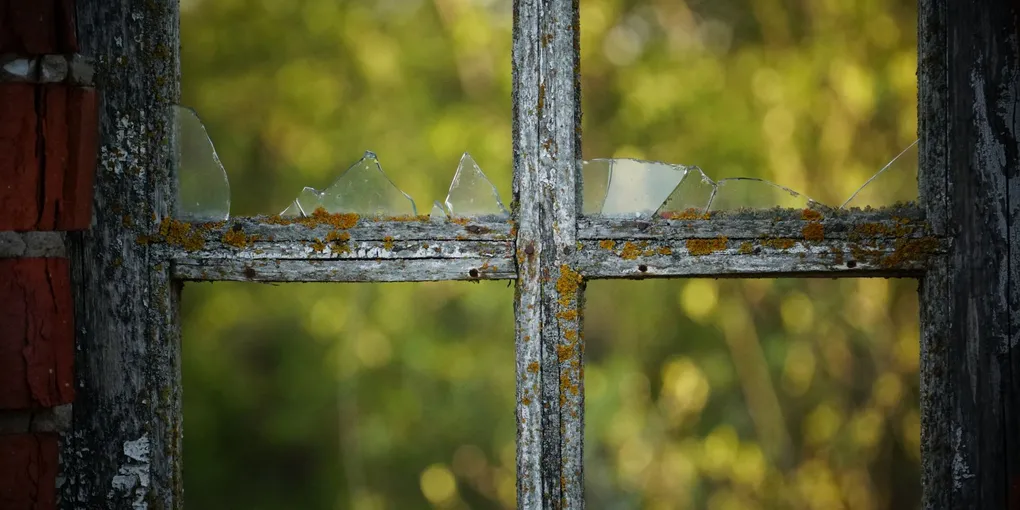
Single-pane window glass replacement (wood frame): Remove the broken glass carefully wearing heavy gloves, scrape out the old glazing compound and glazier's points, measure the opening and order glass cut 1/8 inch smaller on each dimension, bed the new glass in a thin rope of glazing compound, press in new glazier's points every 6 inches, then apply a fresh bevel of glazing compound. Double-pane (insulated glass unit) failures — fogging between panes — require replacing the whole IGU or the whole sash, not just the glass.
Frequently Asked Questions
Can I replace just one pane of a double-pane window?
Technically yes, but it's complicated. A double-pane insulated glass unit (IGU) is a sealed assembly with a desiccant spacer between two glass layers. If the seal fails (fogging between panes), the whole IGU must be replaced — you cannot re-seal it. Replacing just the IGU (not the whole window) is possible if the sash is in good condition: order an IGU cut to the exact size and have a glass shop replace it. This is less expensive than a full window replacement but more involved than single-pane glass replacement.
How do I measure for replacement glass?
Measure the opening (the daylight opening, inside the glazing channel) in both directions. Subtract 1/8 inch from each dimension — the glass should fit loosely in the channel to allow for thermal expansion and installation. Measure twice and give these exact dimensions to your local glass shop. Standard glass thickness for residential windows: 3/32 inch for small panes (up to 12x18 inches), 1/8 inch for larger panes. Safety glass (tempered or laminated) is required in hazardous locations — within 18 inches of a door, in bathrooms, stairwell glazing.
What is glazing compound and do I need it?
Glazing compound (or glazier's putty) is the putty-like material that seals the glass to the wood sash. It forms a weathertight, flexible seal around the glass edge. Traditional oil-based glazing compound (Sarco Dual Glaze, DAP 33) is the standard for wood windows — it stays workable for a long time and bonds well to wood. Latex glazing compound is easier to apply and paint but is less durable long-term. You need glazing compound for any wood sash installation. It is NOT used with aluminum or vinyl frames — those have rubber or silicone gaskets.
What are glazier's points?
Glazier's points are small metal clips (triangular or diamond-shaped) that hold the glass mechanically in the sash frame. They are installed after the glass is set in the bed of glazing compound, pushed into the wood with a putty knife or glazing tool, flat against the glass. Spacing: one point every 6 inches around the perimeter, with at least 2 per side on small panes. The glazing compound bevel covers the points when applied. Never skip the points — glazing compound alone is not strong enough to hold the glass.
How long before I can paint over new glazing compound?
Oil-based glazing compound needs to skin over and cure before painting — typically 7–14 days in warm, dry weather. If you paint too soon, the solvents in the glazing compound can bleed through and cause the paint to wrinkle or peel. The surface should feel firm and dry to the touch. When painting: apply an oil-based primer over the compound first (latex paint over raw glazing compound peels). Then finish with whatever exterior paint matches the window.
Single-pane window glass replacement (wood frame): Remove the broken glass carefully wearing heavy gloves, scrape out the old glazing compound and glazier’s points, measure the opening and order glass cut 1/8 inch smaller on each dimension, bed the new glass in a thin rope of glazing compound, press in new glazier’s points every 6 inches, then apply a fresh bevel of glazing
Single-pane glass replacement in a wood sash is a straightforward repair once you understand the materials.
What you need
- Heavy leather work gloves and eye protection
- Stiff putty knife or paint scraper
- Pliers (for pulling glazier’s points)
- Glazing compound (oil-based for wood windows)
- Glazier’s points (buy a box — they are cheap)
- Replacement glass (ordered from a glass shop, cut to size)
- Linseed oil (optional, to condition dry wood before glazing)
- Putty knife (flexible, for applying glazing compound)
Step 1: Remove the broken glass
Wear heavy leather gloves and eye protection. Press each piece of remaining glass toward you and work it out of the frame. Break out stubborn pieces carefully with pliers. Cover the floor with a cardboard box to catch fragments.
Do not pry from inside the frame — you risk cracking the sash wood.
Step 2: Remove old glazing compound and points
Use a stiff putty knife or paint scraper to chip out the old glazing compound. If it’s very hard: apply linseed oil and let it penetrate for 30 minutes to soften. Alternatively, use a heat gun on low setting to warm the compound before scraping — but don’t overheat the wood.
Pull out old glazier’s points with pliers.
Step 3: Prepare the rabbet
The rabbet is the channel the glass sits in. Sand or scrape it clean. Apply a thin coat of linseed oil and let it soak in — this prevents the wood from drying out the glazing compound too quickly and causing premature cracking.
Step 4: Measure and order glass
Measure the daylight opening width and height. Subtract 1/8 inch from each dimension. Take these measurements to a glass shop (hardware stores like Ace and True Value often cut glass) and have the replacement pane cut.
Step 5: Bed the glass
Roll a rope of glazing compound about 3/8 inch in diameter. Press it into the bottom and side rabbets where the glass will rest. This bedding compound cushions the glass and seals the back edge.
Set the glass into the frame. Press it firmly and evenly — the compound should squeeze out slightly under the glass edge.
Step 6: Install glazier’s points
Push glazier’s points into the wood alongside the glass (flat against the glass face, pointed end into the wood) every 6 inches around the perimeter. Use the putty knife to press them in — they should be flush against the glass.
Step 7: Apply the glazing bevel
Roll another rope of glazing compound. Press it against the glass at a 45-degree angle with your thumb, then smooth it into a neat bevel with a putty knife angled at 45 degrees. The compound should meet the glass on one side and the wood sash on the other, with no gaps.
Smooth with a lightly dampened putty knife for a clean finish.
Step 8: Let cure and paint
Let the compound cure 7–14 days. Then prime with oil-based primer and paint to match the window sash. The painted surface is what seals and protects the glazing compound long-term — unpainted glazing compound dries out and cracks within a few years.
Related guides
- How to Fix a Window Screen — replace the screen after glass repair
- How to Seal Drafty Windows — seal the window frame after glass replacement
- How to Weatherstrip a Door or Window — stop drafts after glass repair
- Remove the broken glass
Wear heavy leather gloves. Carefully press glass pieces inward and remove from the frame one piece at a time. Do not pry from the inside — press the pieces toward you from outside. Dispose of glass wrapped in newspaper in a puncture-resistant bag.
- Remove old glazing compound and glazier's points
Use a putty knife or heat gun to chip and soften the old glazing compound out of the channel (rabbet). Pull glazier's points with pliers. If compound is rock hard: apply linseed oil, wait 30 minutes, then scrape.
- Prepare the rabbet and measure
Sand or scrape the channel clean. Apply a thin coat of linseed oil or primer to the bare wood to prevent the wood from drawing oil out of the new glazing compound too fast. Measure the daylight opening in both directions and subtract 1/8 inch from each dimension. Have a glass shop cut the replacement pane.
- Bed the glass and install glazier's points
Roll a thin rope of glazing compound and press it into the bottom and side channels. Set the glass into the frame and press firmly so it beds into the compound. Push metal glazier's points flat into the wood every 6 inches around the perimeter to hold the glass mechanically.
- Apply the glazing bevel and paint
Roll another rope of compound and apply it at a 45-degree angle between the glass and the frame, covering the points. Smooth with a wet putty knife. Allow 7–14 days to skin over before applying an oil-based primer and exterior paint.
Free: 10-Point Home Maintenance Checklist
Prevent costly repairs with this seasonal checklist. Save hundreds every year by catching problems early.
Your checklist is ready!
Open Checklist →Something went wrong. View the checklist here.