How to Repair Carpet: Patching Burns, Snags, and Damaged Sections (2026)
Carpet burns, pet damage, and snags can be repaired invisibly with a patch from a closet or leftover carpet. This guide covers cutting a clean patch, using carpet seam tape, and blending the repair with the surrounding pile.
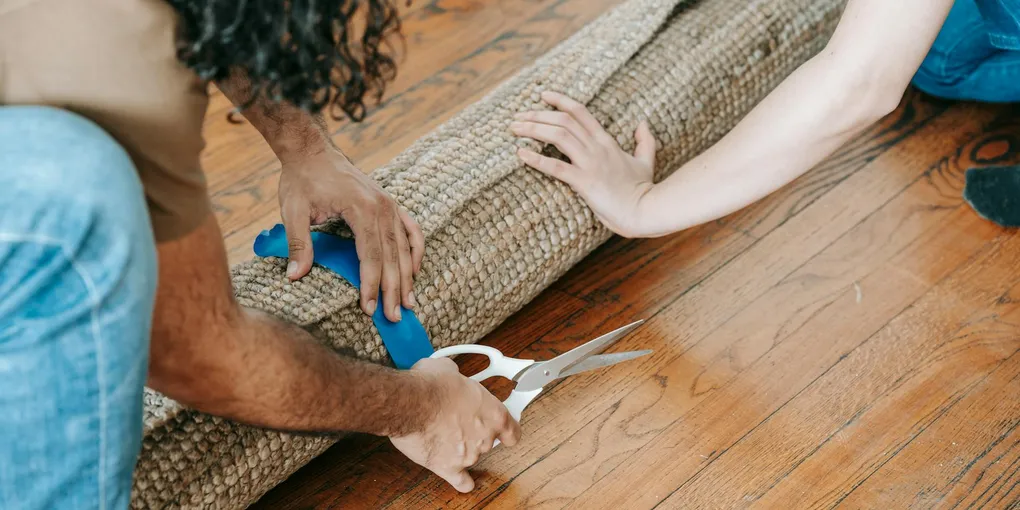
Carpet patch repair: (1) Cut the donor piece from a closet corner or a spare piece from the original installation — match the pile direction before cutting. (2) Use a sharp utility knife and a cookie-cutter style carpet cutter to cut both the damaged section and the patch to identical size. (3) Remove the damaged section. Apply double-sided carpet tape or heat-activated carpet seam tape to the subfloor around the opening. (4) Press the patch in, aligning the pile direction with the surrounding carpet. (5) Use a carpet seam roller or a hand brush to blend the edges. A good patch in medium-pile carpet is nearly invisible.
Frequently Asked Questions
How do I cut a carpet patch for an invisible repair?
Clean patch cutting: (1) A circular patch (4–6 inches diameter) is easier to align than a square patch and produces less visible seam lines. Use a round cutter (a modified tin can with sharpened edges works) or a purpose-made carpet cookie cutter. (2) Mark the patch size on the donor carpet first. Match the pile direction — look at which way the fibers lean (run your hand across the pile: one direction feels smooth, the other feels rough). The patch must be oriented the same way as the surrounding carpet or it will reflect light differently and be immediately visible. (3) Place the cutter over the DAMAGED section of carpet. Press and rotate firmly to cut through the pile and backing in one clean cut. Do not saw back and forth — a clean circular cut is key. (4) Use the same cutter (or the cut-out section as a template) to cut the identical-size patch from the donor carpet. (5) Take the cut-out damaged piece and the patch outside in sunlight — compare them side by side. Match is visible in sunlight before installation.
How do I remove a burn from carpet?
Carpet burn repair: (1) For small surface burns (just the tips of the fibers are charred, backing is intact): clip the burned fiber tips with scissors, cutting just below the char line. The unburned fiber below may be visible and acceptable for low-traffic areas. (2) For through-burns (backing is melted): a patch is required. The molten backing cannot be repaired. (3) To cut out a burn for patching: use sharp scissors to cut the carpet fibers down to the backing around the burn. Then use a utility knife to cut the backing in a circle that removes the burned section plus 1/2 inch of intact carpet around it. (4) For very small burns (cigarette size, under 1/4 inch): an even simpler method: cut fibers from the same carpet in a hidden area (inside a closet near a wall), and glue them over the burn spot with fabric glue. Hold in place for 30 minutes. This works on low-pile carpet. (5) Remember to match pile direction in any repair — rotating the patch even 15 degrees creates a visible seam.
How do I use carpet seam tape for a patch repair?
Carpet seam tape application: (1) Two types: pressure-sensitive double-sided carpet tape (peel and stick) and heat-activated carpet seam tape (iron-on). Both work for small patches. (2) Pressure-sensitive tape: peel the release paper and press the tape strips to the subfloor around the perimeter of the hole. Overlap at corners. Make sure the tape adhesive faces up. Lower the patch onto the tape and press firmly. Walk on the patch and press from above. (3) Heat-activated seam tape: place the tape with adhesive side up under the cut-out hole edges. Overlap the tape ends at corners. Press a hot iron (set to medium, no steam) against the carpet surface directly above the tape for 30 seconds — the heat conducts through the carpet backing and activates the tape adhesive below. Work in sections around the perimeter. (4) After tape adhesion: apply a thin bead of carpet seam sealer (Roberts, carpet seam sealer in a bottle) to the seam edge between the patch and the surrounding carpet. The sealer wicks into the fiber base and locks the cut edges against fraying and unraveling.
The carpet in my room has buckled and has ripples. How do I fix that?
Carpet buckling (ripple) causes and fixes: (1) Carpet buckles when the stretch in the original installation relaxes, particularly in high-humidity conditions. The carpet loses its taut fit and develops a raised wave or buckle across the room. (2) Re-stretching requires a power stretcher — a professional tool that hooks into the carpet and uses lever action to stretch it taut against the tack strips at the walls. A knee kicker (a smaller tool that uses knee impact) is not powerful enough for room-size re-stretches. (3) The DIY option: rent a power stretcher from an equipment rental center (Sunbelt, United Rentals) for $30–$50/day. Positioning requires understanding the tack strip layout and stretch direction. (4) Professional re-stretch: a carpet installer can re-stretch an entire room in 30–60 minutes for $75–$150. For rooms over 200 square feet with significant buckling, professional service is usually more practical than DIY. (5) Prevent future buckling: use a whole-room dehumidifier in summer, and do not wet-clean carpet without allowing it to fully dry — moisture absorption is the primary cause of seasonal buckling.
How do I repair a snag in the carpet?
Carpet snag repair: A snag is a loop or strand of carpet fiber that has been pulled out of the backing. (1) Never pull a snag — pulling unravels the weave and makes the damage worse. (2) Use scissors to cut the snag flush with the surrounding pile surface. Do not pull it through. Once cut, the remaining end is no longer under tension and will stay in place. (3) If a tufted carpet (not looped berber) has a snag, cut the loop flush. For berber or looped carpet: a cut loop is visible as a broken spot. For berber snags, the better repair is to push the snag back into the loop with a dull upholstery needle and secure the end with a small amount of fabric glue applied at the base. (4) If a large area of pile has pulled out (e.g., from a pet clawing), leaving exposed backing: this area needs a patch replacement. Use the cookie-cutter patch method above. (5) Prevent further snags: check for exposed staples or screw heads on furniture legs, rough subfloor areas, or loose tack strip sections near walls that catch the carpet pile.
Carpet patch repair: (1) Cut the donor piece from a closet corner or a spare piece from the original installation — match the pile direction before cutting. (2) Use a sharp utility knife and a cookie-cutter style carpet cutter to cut both the damaged section and the patch to identical size.
Match pile direction before cutting — a rotated patch reflects light differently and is visible from across the room.
What you need
- Donor carpet (closet corner or leftover piece)
- Round carpet cutter or large cookie cutter sharpened
- Double-sided carpet tape or heat-activated seam tape
- Carpet seam sealer (Roberts)
- Sharp scissors and utility knife
- Seam roller or stiff brush
Step 1: Cut the damaged section
Use a round cutter over the damaged area, pressing and rotating to cut through pile and backing. The cut-out piece is your size template.
Step 2: Cut the patch
Match pile direction on donor carpet. Use the same cutter to cut an identical-size patch.
Step 3: Apply tape to subfloor
Press double-sided carpet tape strips around the perimeter of the subfloor opening. Tape adhesive faces up.
Step 4: Set and press the patch
Lower the patch onto the tape, pile direction aligned. Press firmly from above and around the seam. Roll the seam with a seam roller.
Step 5: Apply seam sealer
Apply a thin bead of carpet seam sealer to the seam edge between the patch and the surrounding carpet to lock cut fibers.
Related guides
- How to Remove Carpet Stains — cleaning before deciding to patch
- How to Install Vinyl Plank Flooring — if replacing carpet with LVP instead
- How to Refinish Hardwood Floors — hardwood under old carpet
- Cut out the damaged section with a round cutter
Place a round carpet cutter (or a sharpened large cookie cutter) directly over the damaged area. Press firmly and rotate to cut cleanly through both the pile and the backing in one motion — do not saw back and forth. The circular cut is your size template and minimizes visible seam lines compared to a square patch.
- Cut a matching patch from donor carpet — match pile direction first
Identify pile direction on the donor carpet by running your hand across it (one direction feels smooth, the other rough). The patch must be oriented exactly the same way as the surrounding carpet or it will reflect light differently and be immediately visible. Place the round cutter over the donor carpet with the pile direction matched, and cut an identical patch. Compare the cut-out damaged piece and the new patch in sunlight to confirm the match.
- Apply carpet tape to the subfloor and press in the patch
Press double-sided carpet tape strips around the perimeter of the subfloor opening, with the adhesive facing up. For best results, also place a strip across the center. Lower the patch onto the tape with pile direction aligned to the surrounding carpet. Press firmly from the center outward and around the seam edges. Roll the seam with a seam roller or press firmly with a stiff brush.
- Apply seam sealer and blend edges
Apply a thin bead of carpet seam sealer (Roberts or similar) along the cut seam between the patch and the surrounding carpet. The sealer wicks into the fiber base and locks cut edges against fraying. After the sealer dries, use scissors to trim any fiber ends that stand higher than the surrounding pile. Run fingers back and forth across the seam to blend the fibers.
Free: 10-Point Home Maintenance Checklist
Prevent costly repairs with this seasonal checklist. Save hundreds every year by catching problems early.
Your checklist is ready!
Open Checklist →Something went wrong. View the checklist here.