How to Get Rid of Ants: Carpenter Ants, Pavement Ants, and Odorous House Ants (2026)
Effective ant control requires killing the colony, not just the visible ants. This guide covers identifying the ant species, using bait correctly, sealing entry points, and when to call a professional.
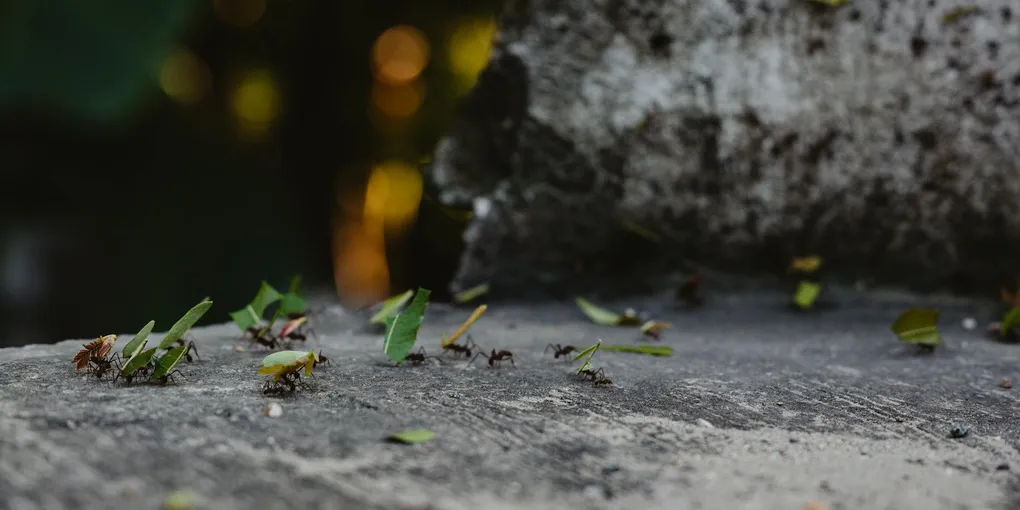
Ants in the house: use bait, not spray. Spraying ants kills foragers but doesn't reach the colony. Bait works because foragers carry it back to the nest and poison the queen. Terro (borax-based liquid bait) is effective against most common sugar-feeding ants (odorous house ants, pavement ants). Place bait stations where ants are actively trailing — don't move them. It takes 3–7 days for the bait to kill the colony. Carpenter ants require a different approach — they don't feed on sugar bait.
Frequently Asked Questions
How do I identify what kind of ant I have?
Common house ants: (1) Odorous house ants — 1/8 inch long, brown to black, emit a rotten coconut smell when crushed. They trail along walls and countertops, especially near moisture. Attracted to sweets and proteins. Respond well to borax bait. (2) Pavement ants — 1/8 inch, brown, nest under concrete slabs and foundations. Trail along foundation cracks and garage edges. Respond to borax bait. (3) Carpenter ants — 1/4 to 1/2 inch, black or black-and-red, do NOT eat wood (they excavate it for nesting). Found near moisture-damaged wood — windows, rooflines, wood piles. Do NOT respond to sugar bait — require protein/grease bait or direct void treatment.
How do I use ant bait correctly?
Ant bait works only when used correctly: (1) Do NOT spray insecticide before or during baiting — contaminated ants won't carry bait back to the colony. (2) Place bait where you see ants actively trailing, not randomly around the house. (3) Use enough bait — place multiple stations if ants are in multiple areas. (4) Be patient — killing a colony takes 3–14 days, depending on colony size. (5) Replace bait if it dries out or runs out before the trail stops. For sugar ants: Terro Liquid Ant Baits, Amdro, or Advion. For carpenter ants: Advance Carpenter Ant Bait (protein-based) or Maxforce Carpenter Ant Gel.
Where are ants coming in and how do I seal the entry points?
Common ant entry points: gaps around utility pipes, cracks in the foundation, gaps under door sweeps, gaps around window frames, and through vents. After killing the active colony: seal entry points with caulk (silicone caulk for exterior gaps, latex caulk for interior). Replace worn door sweeps. Apply food-grade diatomaceous earth in wall voids at entry points — it's a physical barrier that damages ant exoskeletons. Keep food sealed in airtight containers, fix any leaking pipes (moisture attracts ants), and clean up food debris promptly. Long-term: treat the foundation perimeter with a granular or liquid barrier insecticide once per year.
Do I need a professional for carpenter ants?
Carpenter ants indicate moisture-damaged wood — they don't infest sound dry wood. DIY steps: (1) Find the nest location (look for sawdust-like frass under windows, rooflines, wood trim — or follow the ant trail to its source). (2) Treat the nest void with Tempo Dust or a similar labeled insecticide dust using a hand duster into the void. (3) Address the moisture source (fix the leak or seal the wood). If you can't locate the nest, or if infestation is large (hundreds of ants visible): professional treatment with drill-and-treat void injection is more effective. Untreated carpenter ant infestations can cause significant structural wood damage.
I treated the ants and they went away but came back a few weeks later. Why?
Ants returning after treatment usually means: (1) The colony wasn't fully killed — large colonies have satellite nests and can rebound. Treat again with bait, targeting new trails. (2) A different entry point — the original gap was sealed but ants found a new path. Do a perimeter inspection after the colony is controlled. (3) Outdoor colony with foragers entering the house — the ant colony is outside and foragers are coming in for food. Treat the foundation perimeter with a granular bait (Amdro Fire Ant Bait, Advance Dual Choice) spread around the foundation and in yard areas where you see trails.
Ants in the house: use bait, not spray. Spraying ants kills foragers but doesn’t reach the colony.
Kill the colony with bait — spraying foragers is temporary and wastes money.
What you need
- Terro Liquid Ant Bait stations ($8–$12 — for sugar ants)
- Advance Carpenter Ant Bait (for carpenter ants)
- Silicone caulk and caulk gun (for sealing)
- Diatomaceous earth (for physical barriers)
Step 1: Identify the ant species
Capture a few ants and observe: size, color, and crush one to check for the rotten coconut smell (odorous house ant). Identify before buying bait — carpenter ants need a different product.
Step 2: Place bait correctly
For odorous house and pavement ants: place Terro stations directly on the ant trail. Do not move or remove bait stations for at least 7 days. Do not spray insecticide while baiting — it will repel ants from the bait.
For carpenter ants: place protein bait (Advance Carpenter Ant Bait) near the ant trail. Also inspect for moisture-damaged wood at the suspected nest location.
Step 3: Wait for colony kill
Bait activity peaks at 2–4 days as more ants find the source. Colony kill happens at 3–14 days when the queen is affected. Trail activity should stop completely.
Step 4: Seal entry points
After ant activity stops: inspect around the foundation, utility penetrations, and door/window frames. Seal any gaps wider than 1/16 inch with silicone caulk. Apply diatomaceous earth in wall voids at entry points.
Step 5: Prevent recurrence
Clean up food and water sources inside. Fix any moisture issues. Apply a granular perimeter bait or barrier spray around the foundation once per year in early spring before ant season.
Related guides
- How to Get Rid of Mice — rodent pest control for the home
- Annual Home Maintenance Schedule — pest prevention included in spring maintenance
- Identify the ant species
Capture a few ants and observe: size, color, and crush one to check for a rotten coconut smell (odorous house ant). Odorous house ants and pavement ants (small, 1/8 inch, brown to black) respond well to borax sugar bait like Terro. Carpenter ants (large, 1/4–1/2 inch, black) excavate wood for nesting and require protein/grease bait, not sugar bait. Buying the wrong bait is the most common reason DIY ant treatments fail. Do not spray insecticide before or during baiting — it contaminates ants and prevents them from carrying bait back to the colony.
- Place bait on active trails
For odorous house and pavement ants: place Terro liquid bait stations directly on the ant trail where you see the most activity. Do not move bait stations for at least 7 days — ants must find and consistently recruit to the bait. Use enough stations: if ants are in multiple areas, place bait in each. For carpenter ants: place protein-based bait (Advance Carpenter Ant Bait) near the trail and inspect for moisture-damaged wood at the suspected nest location — the nest is always near wet or rotted wood.
- Wait for colony kill
Bait activity peaks at 2–4 days as more foragers find and recruit to the bait. This is normal — the increase means it's working. Colony kill occurs at 3–14 days when enough poison reaches the queen. Do not spray or disturb the bait during this period. Trail activity stops completely when the colony is dead. Replace bait if it dries out or is fully consumed before the trail stops.
- Seal entry points
After ant activity stops: inspect the foundation perimeter, utility pipe penetrations, door sweeps, and window frames for gaps wider than 1/16 inch. Seal with silicone caulk on exterior gaps and latex caulk on interior surfaces. Apply food-grade diatomaceous earth inside wall voids at known entry points — it damages ant exoskeletons and provides a physical barrier. Fix any moisture sources (dripping pipes, poor drainage) that attract ants.
- Prevent recurrence
Store food in airtight containers. Clean up crumbs, spills, and food debris promptly. Apply a granular perimeter bait (Amdro) or barrier spray around the foundation once per year in early spring before ant season begins. If carpenter ants return: they signal a moisture or wood-rot problem — find and fix the damaged wood rather than just treating the ants.
Free: 10-Point Home Maintenance Checklist
Prevent costly repairs with this seasonal checklist. Save hundreds every year by catching problems early.
Your checklist is ready!
Open Checklist →Something went wrong. View the checklist here.