How to Fix Condensation on Windows: Interior, Exterior, and Between-Pane Fog (2026)
Window condensation forms for different reasons on different surfaces. This guide covers interior condensation (high indoor humidity), exterior condensation (normal and harmless), and the one type that requires action: fogging between panes of a double-pane window.
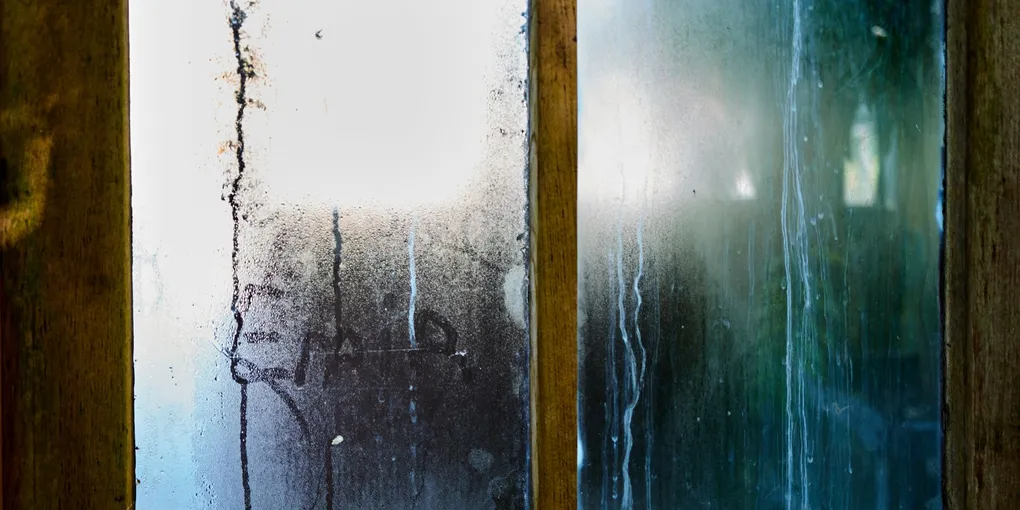
Interior condensation (water on the room-side of glass in winter): caused by high indoor humidity — the cold glass surface is below the dew point of the air. Fix: reduce humidity (exhaust fans in bathrooms and kitchen, a whole-house dehumidifier, or opening windows briefly for air exchange). Fogging between panes of a double-pane window (a hazy or milky appearance between the glass layers): the seal between the panes has failed. The insulated glass unit needs replacement — this cannot be fixed by wiping.
Frequently Asked Questions
Is interior window condensation a sign of a problem with the window?
Not necessarily. Interior condensation is primarily a humidity issue, not a window problem. Modern double-pane windows are more likely to show condensation than older single-pane windows — this sounds counterintuitive, but it's because they hold heat better, making the interior glass surface warmer than old single-pane. Interior condensation means indoor humidity is too high for the outdoor temperature. During cold weather, you should aim for 30–40% relative humidity indoors — lower in very cold climates. A cheap hygrometer ($10–$15) tells you your actual indoor humidity.
What humidity level prevents window condensation?
The target depends on the outdoor temperature: at 0°F outdoor temperature, maximum safe indoor humidity is about 20–25% to prevent condensation on average double-pane windows. At 20°F, about 30–35%. At 40°F, about 45%. As outdoor temperature drops, you need to lower indoor humidity to prevent condensation. If you can't lower humidity enough (cooking, shower steam, houseplants, new construction drying out): improving air circulation at the windows (ceiling fans, trickle vents, or placing furniture away from windows) helps.
My double-pane windows are foggy between the glass layers. Can I fix the seal?
No. Once the argon or air inside a double-pane unit escapes and humid air enters, the seal is permanently failed. The mineral deposits that cause fogging are inside the unit and cannot be cleaned. Options: (1) Replace the insulated glass unit (IGU) — the glass assembly inside the frame. Many window companies will replace just the IGU, not the entire window, for $100–$250 per unit. (2) Replace the entire window — more expensive but gives you new frame, sash, and hardware. (3) A 'defogging' service exists that drills holes and injects cleaning solution — it temporarily clears the fog but the thermal performance is permanently compromised.
Condensation is forming on my windows at night but is gone by morning. Is that a problem?
This is typically exterior condensation on the outdoor surface of the glass — most common on energy-efficient windows on clear, still nights when the outdoor glass surface radiates heat to the sky and drops below the outdoor dew point. This is actually a sign that your windows are thermally efficient (low-E glass). It is harmless and clears as outdoor temperatures rise in the morning. Exterior condensation cannot be prevented short of covering the window, which nobody does.
My windows are dripping with condensation and causing water damage to the sills. What should I do?
Severe condensation causing water damage requires action on both fronts: reduce humidity immediately (bathroom and kitchen exhaust fans vented outside, HVAC whole-house dehumidification, limit boiling/steaming without ventilation) AND protect the window sill (water-resistant paint or sealant, or a window sill insert tray that collects condensate and channels it away). If condensation is this severe: source identification is important. A failed vapor barrier in the wall, cooking without ventilation, or too many houseplants can all be identified and reduced.
Interior condensation (water on the room-side of glass in winter): caused by high indoor humidity — the cold glass surface is below the dew point of the air. Fix: reduce humidity (exhaust fans in bathrooms and kitchen, a whole-house dehumidifier, or opening windows briefly for air exchange).
Diagnosing which surface the condensation is on is the first step — each type has a different fix.
What you need
- Hygrometer (to measure indoor humidity)
- Bathroom and kitchen exhaust fans (verified to exhaust outside)
- Window dehumidifier crystals or desiccant (for minor sill-level condensation)
- Trickle vents or window ventilation inserts (for chronic high-humidity rooms)
Interior condensation (room side of glass)
Step 1: Measure humidity
Buy a hygrometer and place it near the window. If humidity is above 50% in winter: it needs to come down.
Step 2: Identify humidity sources
Common culprits: long showers without exhaust fan running during and 15 minutes after, cooking without exhaust fan, humidifiers set too high, new construction (concrete and drywall dry out over the first year), excessive houseplants.
Step 3: Reduce humidity
- Run exhaust fans during and after cooking and showering
- Check that bathroom fans actually vent outside (not into the attic)
- Lower humidifier output in cold weather
- Open windows briefly (even in winter) to exchange humid air
Foggy between panes (sealed unit failure)
The unit needs replacement. Contact the window manufacturer (if under warranty) or a glass shop for IGU replacement. The sash and frame can remain; only the glass assembly is changed.
Exterior condensation (outside surface)
This is normal and indicates efficient windows. No action needed — it clears as outdoor air warms.
Related guides
- How to Seal Drafty Windows — reduce cold infiltration that contributes to sill moisture
- How to Replace a Window — full window replacement when IGU repair isn’t worth it
- How to Winterize Your Home — comprehensive winter prep including humidity management
- Identify which surface the condensation is on
Touch the condensation to determine which surface it is on. Interior surface (room side of the glass) = high indoor humidity — the glass surface is below the dew point of the room air. Exterior surface (outside of the glass) = harmless morning condensation caused by the glass radiating heat overnight and cooling below the outdoor dew point — this clears as the sun warms the glass and requires no action. Between the panes (milky or foggy appearance inside a sealed double-pane unit) = the seal has failed and the inert gas fill has been replaced by humid air — this requires window repair or replacement.
- Reduce indoor humidity for interior condensation
Interior condensation occurs when indoor relative humidity exceeds 40–50% in cold weather. Run bathroom exhaust fans during and 20 minutes after showers. Run the kitchen exhaust fan while cooking. Run a whole-house or room dehumidifier if indoor humidity regularly exceeds 50%. Vent the clothes dryer to the exterior (not into an attic or crawl space). Crack a window briefly on dry cold days to exchange humid indoor air with dry outside air. Check crawl spaces and basements for standing water or high moisture that is migrating into the living space.
- Add weatherstripping to reduce cold glass temperature
Interior condensation forms more readily on single-pane glass and at window edges where cold air infiltration makes the frame colder than the center glass. Adding weatherstripping around the window sash reduces cold air infiltration and raises the frame temperature. On double-hung windows: add foam weatherstripping to the meeting rails. On casements: replace the compression seal around the sash perimeter. Warmer glass and frames condense less moisture even at the same humidity level.
- Address between-pane fogging
Fogging or milkiness between the panes of a double-pane (IGU) window means the edge seal has failed and the argon or krypton gas fill has been replaced by humid air. The insulating value of the window has decreased significantly. Options: (1) Replace the IGU — the glass unit can be replaced without removing the window frame. Order a replacement by the existing glass measurements (thickness, width, height) from a glass shop. The old unit snaps or slides out of the frame; the new one installs in reverse. (2) Commercial defogging — a technician drills small holes in the glass, injects a cleaning solution, and installs vented plugs. Results are temporary. (3) Replace the full window — if the frame is also damaged or the window is over 20 years old.
- Install interior storm windows for persistent interior condensation
If interior condensation persists despite humidity control: an interior storm window (a clear acrylic or glass panel that mounts inside the window frame) creates a dead air space between the exterior window and the interior panel. This raises the interior-facing surface temperature above the dew point. Interior storm panels ($30–$60 per window) are DIY-installed with magnetic strips or compression fit systems. They also reduce heat loss significantly on single-pane windows.
Free: 10-Point Home Maintenance Checklist
Prevent costly repairs with this seasonal checklist. Save hundreds every year by catching problems early.
Your checklist is ready!
Open Checklist →Something went wrong. View the checklist here.