How to Fix a Window That Won't Lock: Sash Lock, Alignment, and Replacement
Fix a window that won't lock by diagnosing a misaligned sash or failed lock mechanism, adjusting the frame, and replacing the hardware if needed.
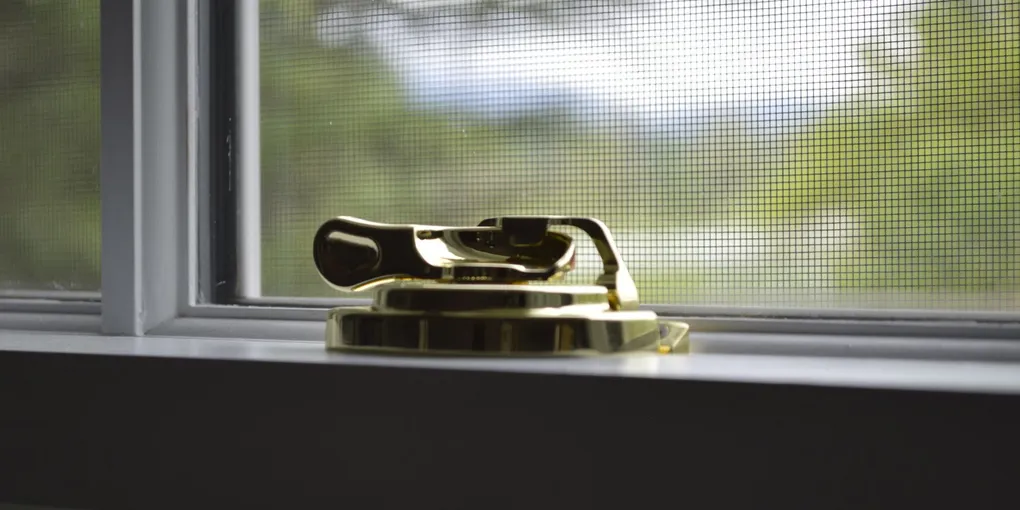
A window that will not lock is both a security problem and a code compliance issue in some jurisdictions. In most cases the fix is straightforward — the lock keeper needs adjusting or the lock hardware needs replacing.
A window that will not lock is both a security problem and a code compliance issue in some jurisdictions. In most cases the fix is straightforward — the lock keeper needs adjusting or the lock hardware needs replacing. The harder cases involve a sash that has shifted in its frame, which requires either adjusting the keeper or addressing the underlying sash alignment problem.
This guide covers the diagnostic steps and the most common fixes for double-hung windows, which account for the majority of residential windows in the U.S.
What You Need
- Window sash lock replacement — direct replacement lock body and keeper set
- Window security bar — adjustable bar that braces the window closed
- Window lock replacement kit — includes lock body, keeper, and hardware for common window types
- Window alignment tool — helps identify and correct sash drift
- Window stop hardware — keyed pin locks that prevent the window from being raised
- Security window film — holds glass in place and slows forced entry
Diagnose: Misaligned Sash vs Failed Lock Mechanism
The first step is determining which problem you have.
Test the sash alignment: Close the window completely and look at the meeting rail — the horizontal area where the upper and lower sashes overlap. In a properly aligned double-hung window, the faces of both rails sit flush in the same plane. If one sash sits slightly in front of the other, the lock bodies will not meet correctly.
Test the lock mechanism: With both sashes aligned as closely as possible by hand, try to operate the lock. If the lock handle reaches its closed position with only light resistance, the mechanism is intact but the keeper needs adjustment. If the lock handle stops well short of the locked position, binds, or the lock cam feels loose or bent, the lock mechanism is the problem.
Fix: Align the Sash
If the sashes are slightly out of plane, adjust the lock keeper before replacing any hardware.
- Open the window and locate the keeper — the half-circle strike plate on the upper sash rail (on double-hung windows, it is on the top of the lower sash’s upper rail or the bottom of the upper sash’s lower rail, depending on the lock style).
- Loosen the two screws holding the keeper without removing them.
- Slide the keeper toward the lock body to close the gap, or away from it if the lock binds before fully engaging.
- Hold the keeper in the new position and retighten the screws.
- Close the window and test the lock through its full range of motion.
If the keeper’s adjustment range is not enough to make the lock engage, the sash may have warped or the balance may be worn. In older wood double-hung windows, removing and replacing the sash balance (also called a sash weight or spring balance, depending on the era) restores proper alignment.
Fix: Replace the Lock Hardware
If the lock mechanism is worn, bent, or broken, replacement is straightforward.
- Remove the two screws securing the lock body to the lower sash rail.
- Photograph the old lock from multiple angles, including the underside showing the mounting hole spacing.
- Bring the old lock to a hardware store or search by the measurement between mounting holes and the window manufacturer name if it is visible on the sash.
- Install the new lock body with the provided screws, ensuring the cam faces the correct direction.
- Check the keeper position — if the new lock’s cam geometry differs slightly, adjust the keeper as described above.
For casement windows, the lock mechanism is a different type (a handle-driven espagnolette rod or a simple turn latch). Casement lock replacement involves the same principle — remove old hardware, match dimensions, install new hardware — but the specific parts differ.
Security While Waiting for Repair
If you cannot repair the lock immediately, implement one of these temporary measures:
- Sash pin: Drill a downward-angled hole through the inner sash rail into (but not through) the outer sash with a 3/16-inch drill bit. Insert a removable eyebolt pin. This mechanically locks both sashes together regardless of the primary lock condition.
- Window security bar: An adjustable bar placed in the window track prevents the window from being opened even if the lock fails entirely.
- Window stop hardware: A keyed window stop screws into the channel and blocks the sash from traveling up. It can be unlocked from inside in seconds for emergency egress.
Related Reading
- How to Fix a Sticking Window
- How to Fix a Window Latch
- How to Fix a Broken Window Sash
- Annual Home Maintenance Schedule
- Diagnose: Misaligned Sash vs Failed Lock Mechanism
The first step is determining which problem you have.
- Fix: Align the Sash
If the sashes are slightly out of plane, adjust the lock keeper before replacing any hardware.
- Fix: Replace the Lock Hardware
If the lock mechanism is worn, bent, or broken, replacement is straightforward.
- Security While Waiting for Repair
If you cannot repair the lock immediately, implement one of these temporary measures:
Free: 10-Point Home Maintenance Checklist
Prevent costly repairs with this seasonal checklist. Save hundreds every year by catching problems early.
Your checklist is ready!
Open Checklist →Something went wrong. View the checklist here.