How to Fix a Stuck Window: Painted-Shut, Swollen, or Off-Track
Learn how to free a painted-shut or swollen window, clean the track, lubricate the sash, and replace a broken sash cord — all without calling a contractor.
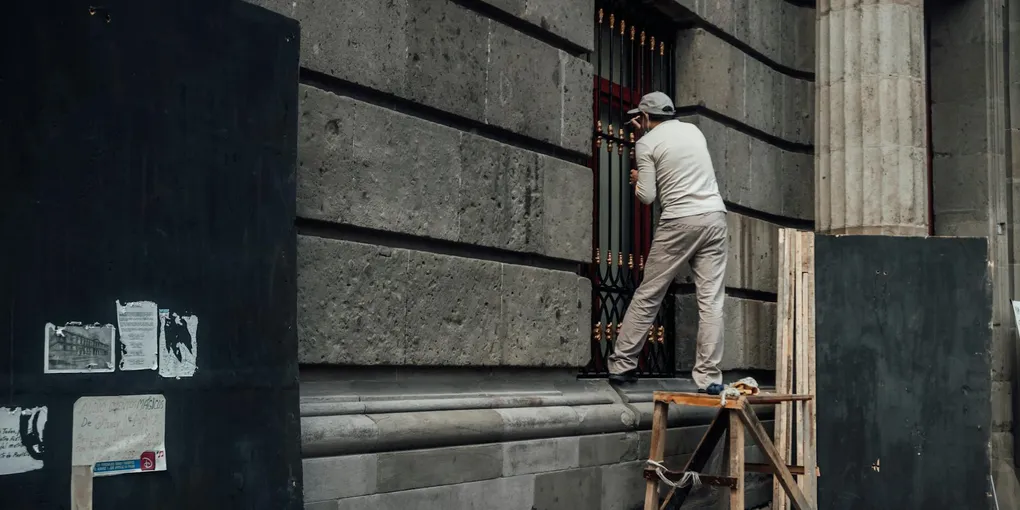
A window that won’t budge is one of the most common — and most annoying — problems in any home. Whether it’s been painted shut by a previous owner, swollen from summer humidity, or dropped a sash cord decades ago, a stuck window is almost always a DIY fix.
A window that won’t budge is one of the most common — and most annoying — problems in any home. Whether it’s been painted shut by a previous owner, swollen from summer humidity, or dropped a sash cord decades ago, a stuck window is almost always a DIY fix. This guide walks you through every scenario: scoring a paint seal, freeing a swollen wood sash, cleaning and lubricating vinyl and aluminum tracks, and replacing a broken sash cord in a classic double-hung window.
What You Need
Gathering your tools before you start saves the inevitable mid-project hardware-store run. Here’s what you’ll use across the repairs covered in this article:
- Stanley 10-175 Utility Knife — The single best tool for scoring a painted-shut seal. Keep a fresh blade loaded; dull blades tear instead of cut.
- Hyde Tools Paint Zipper / 5-in-1 Tool — A dedicated scoring blade on a handle that runs along the sash line faster than a box cutter.
- WD-40 Specialist Dry PTFE Lubricant Spray — The right lubricant for window channels: leaves a dry film that won’t collect dust.
- Minwax Paste Finishing Wax — A classic wood-window lubricant. Rub it directly on the sash edges and parting beads.
- Cotton Braided Sash Cord – 100 ft — Replacement cord for double-hung windows with weight-and-pulley balance systems. Most windows take 3/8-inch cord.
- Bosch 18V Random Orbit Sander — For sanding down a swollen sash. 80-grit followed by 120-grit is the right sequence.
Step 1: Diagnose Why the Window Is Stuck
Before reaching for tools, figure out what you’re dealing with — the fix is different in each case.
Painted shut: Run your fingernail or a credit card along the joint where the sash meets the stop molding. If you can feel a ridge of paint bridging the gap, this is your problem. The window is not physically locked — it just has a continuous layer of paint acting as a glue.
Swollen wood sash: If the sash moves slightly but binds before it’s fully open, humidity swelling is the culprit. Look for shiny rub marks on the sash edges where it contacts the stops — that’s where it’s binding.
Dirty or damaged track (vinyl/aluminum): Aluminum windows with double-hung or single-hung sashes ride in channels that collect grit, oxidization, and old lubricant. Vinyl windows develop similar buildup and sometimes have warped tracks. Both are fixable.
Broken sash cord: Open the window as far as it will go and let go. Does it slide down immediately? Check the sides of the upper sash channel for a dangling rope end, or try to feel whether one side of the sash is pulling heavier than the other.
Step 2: Free a Painted-Shut Window
This is the most common scenario in older homes.
Score the paint seam. Hold your utility knife at about a 30-degree angle and run the blade firmly along the joint where the bottom sash rail meets the interior stop bead. Do the same on the outside, where the sash meets the exterior stop. Apply firm, even pressure and make two passes if the paint is thick.
Use a putty knife for the sill joint. The bottom of the sash where it rests on the stool (the interior sill) often has paint as well. Slide a stiff-bladed putty knife under the sash rail and gently pry upward along its length, moving six inches at a time.
Break the seal from outside. If the window still won’t move, go outside and score the exterior stop bead joint too. Old homes with multiple paint layers sometimes need the seal broken from both sides.
Apply gentle rocking force. Place both palms on the bottom rail and push up firmly. If it still resists, use a flat pry bar padded with a piece of scrap wood, working alternately from left corner to right corner in small increments. Never pry at the center — you can split the rail or crack the glass.
Once the window moves freely, sand any rough paint edges lightly with 120-grit paper so they don’t chip further.
Step 3: Fix a Swollen Wood Sash
If the sash moves but binds, you need to reduce the width of the sash edge where it contacts the stop.
Identify the binding location. Open the window as far as it will go and look for shiny, compressed wood at the sash edges — that’s the high spot. Run a piece of chalk along the stop bead, then close the window against it; the chalk will transfer to the exact binding point on the sash.
Sand the binding edges. With the sash open or removed (see removal notes below), sand the marked areas with 80-grit paper on a sanding block or random orbit sander. Sand in the direction of the wood grain. Remove no more than 1/16 inch at a time, then test-fit.
Remove the sash for better access. Pry out the interior stop bead — it’s typically held by finish nails and comes off without damaging the jamb. The lower sash will then tilt inward and lift out of the weight pockets. Removing it makes sanding far easier and lets you seal the top and bottom rails, which is often overlooked and causes future swelling.
Seal bare wood. Once sanded, coat all four edges with exterior primer, oil-based paint, or a penetrating wood sealer before reinstalling. Moisture enters mostly through bare end grain — sealing it is the best long-term prevention.
Reinstall the stop bead. Nail it back with 1-1/2-inch finish nails, leaving a hair’s width of clearance so the sash slides without binding. A business card makes a good spacer.
Step 4: Clean and Lubricate the Track
Whether your window is vinyl, aluminum, or wood, grit and old lubricant are the enemy.
Vacuum the channels first. Use a crevice attachment to pull out dirt, dead insects, and dried caulk debris from the bottom channel and side tracks.
Wipe with a damp cloth. For vinyl and aluminum, follow up with a cloth dampened with a mild degreaser (dish soap and water works). Get into the corners of the track where buildup concentrates.
Scrub aluminum oxidation. White powdery oxidation in aluminum tracks is best removed with a stiff nylon brush and a paste of baking soda and water, or a dedicated aluminum cleaner. Rinse and dry thoroughly.
Apply lubricant. For vinyl and aluminum tracks, use a dry PTFE spray. Spray a light coat into the channels, let it set for two minutes, then work the sash up and down several times to distribute. Wipe away any excess to avoid drips onto glass.
For wood windows, paste wax applied to the sash edges and parting beads is the traditional choice. Rub it in with a cloth, let it haze, then buff lightly. The wax fills micro-pores in the wood and provides a slick, long-lasting surface.
Step 5: Replace a Broken Sash Cord
Classic double-hung windows from the pre-1960 era use a weight-and-pulley system inside the wall to counterbalance the sash. When the cotton or nylon cord breaks, one side of the window becomes heavy and uncooperative.
Remove the interior stop bead on the affected side (left or right) using a stiff putty knife. Work gently — the wood is often painted and fragile.
Swing the lower sash inward and lift it out of the frame. You’ll see the cord (or its remains) attached to a groove cut into the side of the sash.
Open the weight pocket. Near the bottom of the jamb on each side is a small access panel — usually a rectangular piece of wood held by a single screw. Remove it to access the cast-iron sash weight inside the wall.
Thread the new cord. Tie a nail or large bolt to one end of the new sash cord and drop it over the pulley at the top of the jamb. It will fall into the weight pocket. Retrieve it through the access panel, untie the weight, and knot the new cord securely to the weight’s ring.
Cut the cord to length. With the weight resting at the bottom of its pocket, pull the cord taut over the pulley. Mark the cord at the point level with the pulley when the window is fully closed — that’s where you’ll knot it to the sash groove. You want the weight to hang about 3 inches above the pocket bottom when the window is fully open, so it never pulls the cord off the pulley.
Tie and reinstall. Knot the cord into the sash groove (there’s usually a notch and a small hole for the knot). Tilt the sash back into the frame, check that both cords run freely over their pulleys, and reinstall the stop bead.
Step 6: Adjust the Stop Bead for a Perfect Fit
Once you’ve freed, sanded, or rebalanced the window, the stop bead position determines whether the sash seals against drafts or rattles in the wind.
The stop bead should sit close enough to the sash face that you can’t see daylight through the joint, but not so tight that it binds the sash. The classic test: a sheet of paper should slide between sash and stop with slight friction but no real resistance.
If the stop bead is too tight after reinstallation, pull the nails at the binding spots and nudge it outward 1/32 inch before re-nailing. If it’s too loose and the window rattles, do the reverse.
Step 7: Weatherstrip for Efficiency
While you have the window apart, it’s the perfect time to add or replace weatherstripping. Even a perfectly operating window leaks air around the sash if the weatherstrip is missing or compressed.
For double-hung wood windows, self-adhesive V-strip (tension seal) weatherstripping installed in the side channels is the most effective and durable option. For the bottom rail, a door-sweep-style foam or rubber strip attached to the sill rail works well.
Vinyl and aluminum windows often use pile weatherstrip (a fuzzy strip in a carrier). It’s available in bulk rolls from hardware stores; pull out the old pile and press in the new strip.
Common Mistakes to Avoid
Planing instead of sanding. A hand plane removes wood fast and unevenly. Use sandpaper and work slowly; you can always take more off, but you can’t put it back.
Using expanding foam in the weight pockets. Some homeowners stuff spray foam into the weight cavities for insulation. This locks the weights and makes future sash cord replacement nearly impossible. If you want to insulate, use loose-fill or batt insulation placed carefully around (not over) the weights.
Lubricating with petroleum grease. Grease collects dust and turns into a sticky paste that makes the problem worse over a season or two. Use dry PTFE or paste wax.
Skipping the exterior paint seal. After sanding a swollen sash, bare wood exposed to outdoor humidity will re-swell within one season if not resealed. Don’t skip this step.
Related Reading
- How to Fix a Squeaky Door — Hinges, strike plates, and frame adjustments for doors that bind just like windows.
- How to Weatherize Your Home Before Winter — Comprehensive guide to sealing air leaks at windows, doors, and penetrations.
- How to Repair Drywall — Patch the wall after removing an old window or repairing the interior stop area.
- Diagnose Why the Window Is Stuck
Before reaching for tools, figure out what you're dealing with — the fix is different in each case.
- Free a Painted-Shut Window
This is the most common scenario in older homes.
- Fix a Swollen Wood Sash
If the sash moves but binds, you need to reduce the width of the sash edge where it contacts the stop.
- Clean and Lubricate the Track
Whether your window is vinyl, aluminum, or wood, grit and old lubricant are the enemy.
- Replace a Broken Sash Cord
Classic double-hung windows from the pre-1960 era use a weight-and-pulley system inside the wall to counterbalance the sash. When the cotton or nylon cord breaks, one side of the window becomes heavy and uncooperative.
- Adjust the Stop Bead for a Perfect Fit
Once you've freed, sanded, or rebalanced the window, the stop bead position determines whether the sash seals against drafts or rattles in the wind.
Free: 10-Point Home Maintenance Checklist
Prevent costly repairs with this seasonal checklist. Save hundreds every year by catching problems early.
Your checklist is ready!
Open Checklist →Something went wrong. View the checklist here.