How to Fix a Sticking Double-Hung Window
Learn how to clean, adjust, and lubricate a double-hung window that sticks or refuses to slide so both sashes operate smoothly again.
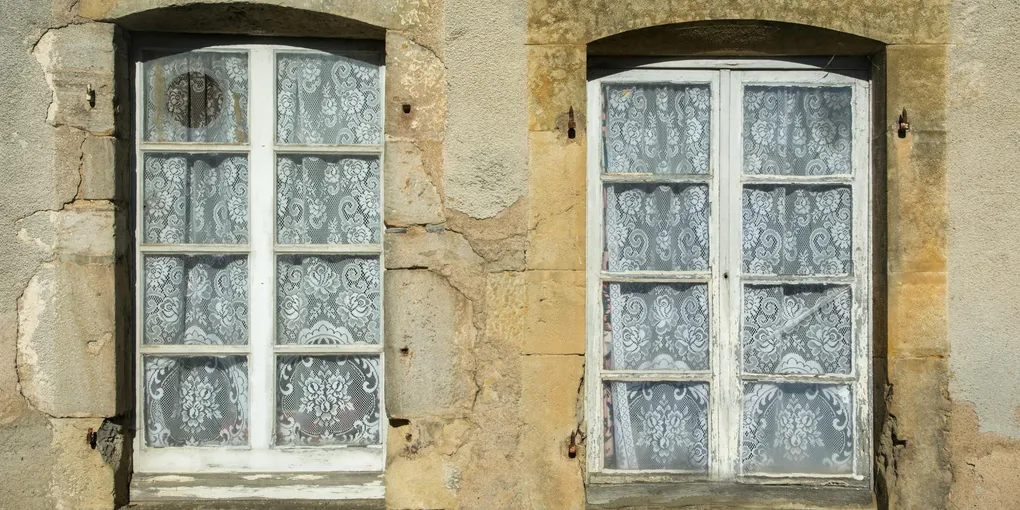
A double-hung window that refuses to slide — or slams down the moment you let go — is a common problem in homes of almost any age. The fix depends on the root cause, but in most cases it involves nothing more than cleaning, lubricating, or freeing paint-sealed channels.
A double-hung window that refuses to slide — or slams down the moment you let go — is a common problem in homes of almost any age. The fix depends on the root cause, but in most cases it involves nothing more than cleaning, lubricating, or freeing paint-sealed channels. This guide walks through every scenario from the simplest to more involved repairs.
How Double-Hung Windows Work
A double-hung window has two sashes (the framed glass panels) that both slide vertically inside a track built into the window frame. Each sash is counterbalanced by a spring or weight mechanism hidden inside the side jambs, which is what allows you to raise a sash and have it stay in place.
Sticking problems almost always fall into one of three categories: contamination (paint, dirt, debris in the channel), swelling (wood absorbing moisture and expanding against the frame), or balance failure (the counterbalance is broken or disconnected).
What You’ll Need
- Stiff brush or old toothbrush
- Vacuum with crevice tool
- Paint scraper or utility knife (for paint removal)
- Sandpaper (80–120 grit)
- Dry silicone lubricant spray or paraffin wax
- Screwdriver set
- Replacement spiral balance (if needed)
The WD-40 Specialist Dry Lube with PTFE leaves no oily residue and is safe for wood and vinyl tracks. For wood windows, Johnson’s Paste Wax rubbed directly into the channel is a time-tested alternative.
Step 1: Clean the Tracks
Before any lubrication, clean both side channels thoroughly. Use a stiff brush to dislodge dirt, grit, and paint flakes from the channel groove. Follow with a vacuum crevice tool to remove loosened debris. For vinyl windows, wipe the channel with a damp cloth and allow to dry.
For wood windows with a buildup of old wax, grime, or sticky residue, use a plastic scraper to remove the bulk of the material without damaging the wood. A little mineral spirits on a rag can cut through old wax or grease buildup.
Step 2: Break a Paint Seal
If a previous paint job sealed the sash to the frame or stop bead, you’ll need to cut it free before any lubrication will help. Run a sharp utility knife or a dedicated paint zipper tool along the joint between the sash and the surrounding wood stop — the thin vertical strips of wood on either side of the sash.
Work carefully to avoid gouging the wood. Once you’ve scored around the full perimeter, try lifting the sash with both hands, pressing upward near the corners rather than the center. If it still resists, use a wide putty knife wrapped in a cloth to gently pry at the sash edges without marring the wood.
Step 3: Sand High Spots on Wood Channels
For wood-framed windows where the sash itself is binding (not just paint), remove the sash from the frame to access the full channel. Most double-hung windows allow sash removal by tilting them inward — push the sash up about 6 inches, then push inward on both sides while lifting to release the sash from the balance clips.
Identify the shiny spots on the sash edges — these high-contact areas are where binding occurs. Sand lightly with 80–120 grit sandpaper until the sheen is gone and the wood feels slightly reduced. Don’t over-sand; a little material removal goes a long way.
After sanding, apply a wood primer or sealant to the sanded areas before lubricating. Bare wood absorbs moisture readily, and sealing it prevents the swelling from recurring.
Step 4: Lubricate the Channel
With the track clean and any binding addressed, apply lubrication. For dry silicone spray, hold the nozzle close and run it along the full length of both side channels, top and bottom. Open and close the sash several times to distribute the lubricant evenly.
For paste wax, rub it directly onto the channel surface using a cloth, then buff lightly. Reinstall the sash and test operation.
Step 5: Check and Replace the Balance Mechanism
If the window slides easily but won’t stay open — or feels very heavy to lift — the spiral balance has lost tension or broken. With the sash removed, look inside the channel cavity. The spiral balance is a metal rod with a coiled spring inside a tube. At the top it connects to a mounting bracket; at the bottom there’s a hook that catches a pin or clip on the sash.
Replace a failed spiral balance by noting the length and weight rating stamped on the tube (or measuring the old one), ordering a matching replacement, and reversing the installation process. Most replacement balances come with winding instructions to set the correct tension.
Preventing Future Problems
- Open and close double-hung windows at least a few times each season to prevent paint and dirt from bonding them shut.
- Inspect weatherstripping annually and replace it if cracked or compressed — damaged weatherstripping causes sashes to drag.
- In humid climates, consider applying a wood sealant to the channels and sash edges every few years to minimize seasonal swelling.
A double-hung window that glides smoothly is a small daily pleasure — and it only takes an hour or two to restore one that’s been fighting you for years.
- Clean the Tracks
Before any lubrication, clean both side channels thoroughly. Use a stiff brush to dislodge dirt, grit, and paint flakes from the channel groove. Follow with a vacuum crevice tool to remove loosened debris.
- Break a Paint Seal
If a previous paint job sealed the sash to the frame or stop bead, you'll need to cut it free before any lubrication will help.
- Sand High Spots on Wood Channels
For wood-framed windows where the sash itself is binding (not just paint), remove the sash from the frame to access the full channel.
- Lubricate the Channel
With the track clean and any binding addressed, apply lubrication. For dry silicone spray, hold the nozzle close and run it along the full length of both side channels, top and bottom.
- Check and Replace the Balance Mechanism
If the window slides easily but won't stay open — or feels very heavy to lift — the spiral balance has lost tension or broken. With the sash removed, look inside the channel cavity.
Free: 10-Point Home Maintenance Checklist
Prevent costly repairs with this seasonal checklist. Save hundreds every year by catching problems early.
Your checklist is ready!
Open Checklist →Something went wrong. View the checklist here.