How to Fix a Rotted Window Sill: Epoxy Consolidant, Filler, and Full Replacement (2026)
A rotted window sill lets water into your wall framing and invites mold. This guide covers diagnosing rot depth, using epoxy wood consolidant and filler for partial repairs, applying Bondo for minor damage, doing a full sill replacement, and painting and sealing to prevent rot from returning.
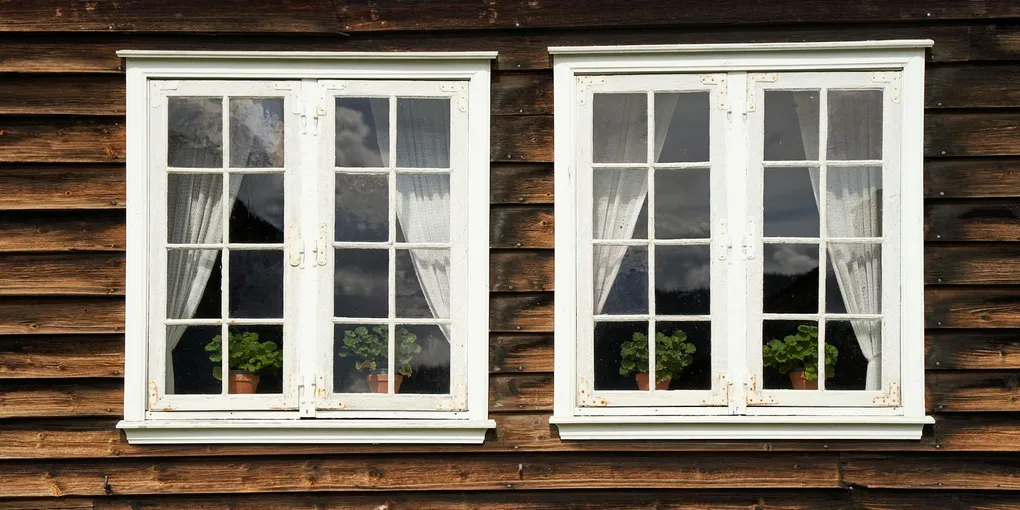
Window sill rot is one of the most common exterior wood failures on older homes, and it is almost always caused by the same thing: water that has no way out. A small gap in the caulk joint where the sill meets the window frame lets water in.
Window sill rot is one of the most common exterior wood failures on older homes, and it is almost always caused by the same thing: water that has no way out. A small gap in the caulk joint where the sill meets the window frame lets water in. The sill is sloped to drain outward, but over time the end grain — the most absorbent part of the wood — takes on enough moisture to support rot fungi. Once rot starts, it progresses quickly if the moisture source is not cut off.
The repair approach depends entirely on how deep the rot has gone. This guide covers the full spectrum from a 30-minute Bondo touch-up on a minor soft spot to a full sill replacement when the rot has gone structural.
What You Need
Gather materials based on which repair tier applies to your situation:
- Epoxy wood consolidant / liquid wood hardener — penetrates and hardens degraded wood fibers; $15–$30 per quart
- Two-part epoxy wood filler — rebuilds missing wood profile after consolidating; $20–$40 per kit
- Bondo body filler or Bondo wood filler — for minor surface voids and finishing; $12–$20
- Paintable siliconized acrylic caulk — for sealing the sill-to-frame joint after repair; $6–$12
- Exterior oil-based primer — seals end grain and provides a bonding base for topcoat; $20–$35 per quart
- PVC exterior trim board (5/4x6) — for full sill replacement with rot-proof material; $25–$60 per 8-foot board
Estimated total cost: $40–$80 for an epoxy repair. $60–$150 for full sill replacement with PVC.
Step 1: Assess the Rot Extent
Before buying materials, do a thorough probe test. Use a sharp awl, an ice pick, or even a stout screwdriver.
Press the tool into the wood with moderate hand pressure. Note how far it penetrates:
- Surface soft spot, less than 1/4 inch deep: Minor damage. Bondo or epoxy filler alone is adequate.
- Soft zone 1/4 to 3/4 inch deep but firm below: Active rot in progress. Epoxy consolidant plus epoxy filler is the right repair.
- Tool penetrates more than 3/4 inch or the sill feels spongy throughout: The sill has lost structural integrity. Plan for full replacement.
Also probe the apron (the trim piece below the sill) and the rough sill (the structural framing member the sill sits on). Open the bottom sash and inspect from above. If the rough sill is soft, the moisture has been in the wall for a long time. That’s a framing repair, not just a sill repair.
Photograph the damage before starting. Good documentation helps if the damage extends under siding and you need to assess how far it goes.
Step 2: Remove Loose and Soft Material
Regardless of whether you’re patching or replacing, start by removing all the damaged wood that can’t be consolidated.
Use a wood chisel, a stiff-bristle wire brush, or a 5-in-1 tool to dig out all visibly rotted wood — the gray, crumbly, or fibrous material. Don’t leave soft wood behind hoping the consolidant will compensate. Consolidant hardens degraded fibers, but it cannot compensate for missing structural wood. Remove everything that moves with modest pressure.
Shape the void so that the edges are clean and firm. If possible, give the void slightly undercut edges — wider at the bottom than the top — so that filler has mechanical purchase. A rotary tool with a small bit makes this easy.
Remove old caulk from the sill-to-frame joint with a caulk removal tool or a utility knife. You’ll re-caulk after the repair.
Let the exposed wood dry fully before applying consolidant. If the wood is still damp, the consolidant will not penetrate properly. Give it 24 to 48 hours in dry weather, or use a heat gun on low to accelerate drying.
Step 3: Apply Epoxy Wood Consolidant
If your repair involves any zone deeper than 1/4 inch, apply consolidant before filler. This step makes the difference between a repair that lasts 2 years and one that lasts 20.
Mix the consolidant per label instructions (most two-part products mix at a 1:1 ratio). Brush or pour liberally into the void and over all adjacent soft wood. The consolidant is thin and will soak in quickly. Apply multiple coats until the wood won’t absorb any more — you want full saturation.
Let the consolidant cure to the tacky stage specified on the label (usually 30 minutes to 2 hours, depending on temperature). At this point, the wood will feel firm but the surface will be slightly sticky — this tackiness is what bonds the epoxy filler.
Do not let consolidant cure fully hard before applying filler. The tacky stage is the optimal window.
Step 4: Apply Epoxy Filler to Rebuild the Profile
Mix the epoxy wood filler according to instructions — most products use a color-change indicator to show when the two parts are fully mixed. Work quickly; pot life is typically 15 to 30 minutes at 70°F (shorter in heat, longer in cold).
Press filler firmly into the void with a putty knife or by hand (wear gloves). Overfill the void slightly — epoxy filler does not shrink but you want enough material to sand flush. For deep voids more than 1 inch deep, build up in layers; thick single applications can have adhesion issues.
Shape the filler to approximate the final sill profile while it is still workable. The closer you get the shape now, the less sanding later.
Let cure fully — typically 2 to 4 hours at 70°F. The repair should feel rock-hard when done. Sand flush with 80-grit then 120-grit sandpaper. Epoxy filler sands similarly to wood. A random orbital sander saves time on larger repairs.
For very minor surface voids (paint chips, small crumbled edges) after the epoxy work is done, Bondo can be used to feather the edges and fill any remaining small imperfections. Bondo also sands beautifully and is compatible with epoxy.
Step 5: Full Sill Replacement (When Needed)
When the rot has gone structural, epoxy repair is not sufficient. Replacing the sill is the right call.
Remove the old sill: Score the caulk joints with a utility knife. Pry off any interior trim that covers the bottom of the window. Use a flat pry bar to loosen the sill from the framing below. If the sill is nailed through the exterior trim, you may need to cut the nails with an oscillating tool before the sill will release. Work carefully to avoid damaging the window frame.
Inspect and repair the rough sill: Once the sill is out, inspect the rough sill (the framing 2x4 or 2x6 below). Soft spots here need to be treated with consolidant and left to cure, or sistered with new framing lumber if significantly compromised. Do not install a new sill over a rotted rough sill.
Cut the new sill: Use the old sill as a template. If you’re using PVC trim board, cut with a carbide-tooth blade (PVC dulls standard blades quickly). If using wood, choose clear vertical-grain fir, pine, or cedar — knot-free stock resists rot better because knots are entry points for moisture. Prime all faces of a wood sill, especially the end grain, with oil-based primer before installation.
Install the new sill: Apply a bead of exterior construction adhesive to the rough sill, then set the new sill in place. Nail or screw through the sill horn (the end of the sill that extends past the side casings) into the rough framing. Countersink fasteners and fill with epoxy filler or exterior-grade wood filler.
Caulk all joints: Apply paintable siliconized acrylic caulk to the joint where the sill meets the window frame on all sides, and where the sill meets the exterior casing. Tool the bead smooth. This joint is the primary water entry point — a good caulk job here is what prevents the next rot episode.
Step 6: Prime and Paint the Sill
Whether you epoxy-repaired or replaced the sill, the final finishing determines how long the repair lasts.
Prime first. Apply a coat of exterior oil-based primer to the entire sill, paying particular attention to the end grain on each side. Oil-based primer penetrates and seals end grain in a way that latex primer does not. Let it dry the full cure time (usually 4 to 8 hours).
Paint with exterior latex. Apply two topcoats of high-quality exterior paint (100% acrylic). Thin first coat by 10% for better penetration. Full second coat at full consistency. Apply paint generously to the underside of the sill nose — this edge gets rain and sun simultaneously and is the first area where paint fails.
Annual maintenance: Once a year, inspect the caulk at the sill-to-frame joint. If you see any cracking, crumbling, or gaps, remove the old caulk and reapply. Catching the caulk joint before it fails completely is how you extend the life of any window sill repair indefinitely.
What to Expect Long-Term
An epoxy repair done correctly on a sill with limited rot should last 15 to 20 years. The epoxy is actually harder than the surrounding wood and will not rot. What causes epoxy repairs to fail is not the epoxy itself but the surrounding wood rotting around it, or failed caulk allowing moisture to return. Maintenance of the caulk joint and paint is the only ongoing requirement.
A PVC replacement sill will outlast the house if properly installed and caulked. It is the most cost-effective long-term choice if you are doing a full sill replacement and don’t want to revisit the repair.
Related Reading
- How to Fix a Drafty Window — addressing air and water infiltration around the entire window assembly
- How to Paint Exterior Trim — get a lasting finish on window and door trim
- How to Repair Wood Rot on a Deck — the same epoxy consolidant techniques applied to deck boards and joists
- Assess the Rot Extent
Before buying materials, do a thorough probe test. Use a sharp awl, an ice pick, or even a stout screwdriver.
- Remove Loose and Soft Material
Regardless of whether you're patching or replacing, start by removing all the damaged wood that can't be consolidated.
- Apply Epoxy Wood Consolidant
If your repair involves any zone deeper than 1/4 inch, apply consolidant before filler. This step makes the difference between a repair that lasts 2 years and one that lasts 20.
- Apply Epoxy Filler to Rebuild the Profile
Mix the epoxy wood filler according to instructions — most products use a color-change indicator to show when the two parts are fully mixed. Work quickly; pot life is typically 15 to 30 minutes at 70°F (shorter in heat, longer in cold).
- Full Sill Replacement (When Needed)
When the rot has gone structural, epoxy repair is not sufficient. Replacing the sill is the right call.
- Prime and Paint the Sill
Whether you epoxy-repaired or replaced the sill, the final finishing determines how long the repair lasts.
Free: 10-Point Home Maintenance Checklist
Prevent costly repairs with this seasonal checklist. Save hundreds every year by catching problems early.
Your checklist is ready!
Open Checklist →Something went wrong. View the checklist here.