How to Fix a Peeling Deck Stain
Learn how to strip peeling deck stain, properly prepare the wood surface, and apply a fresh coat of penetrating stain that lasts for years without peeling again.
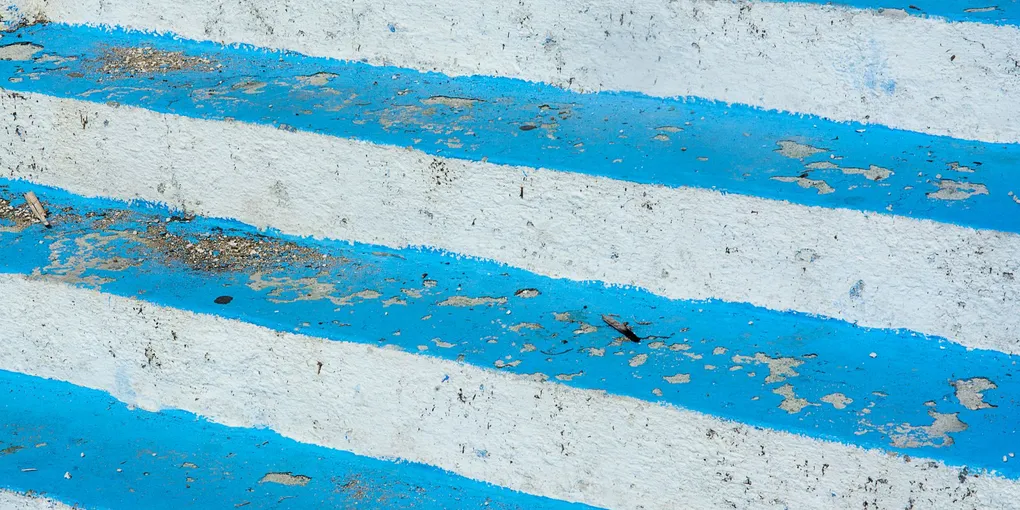
A peeling deck stain is both an eyesore and a wood protection failure. Once the stain begins to peel, bare wood is exposed to UV rays and moisture — the two forces that cause the most damage to outdoor wood.
A peeling deck stain is both an eyesore and a wood protection failure. Once the stain begins to peel, bare wood is exposed to UV rays and moisture — the two forces that cause the most damage to outdoor wood. The deck will gray, crack, check, and eventually rot if left untreated. Fixing it means doing the job properly this time: stripping the old coating completely, cleaning and brightening the wood, and applying the right type of stain so the problem does not repeat in two years.
This guide walks through every step from chemical stripping to final sealer coat.
Why Deck Stain Fails and How to Choose the Right Product
Before you buy anything, understand why your stain peeled. The answer determines what product to use next.
Film-forming stains and solid stains sit on top of the wood surface. They look uniform and opaque, similar to paint. When moisture from seasonal wood movement or ground-contact moisture below a deck drives up through the boards, it pushes the film off the wood. This is called adhesion failure, and it is endemic to solid-color products on decks. Even premium brands fail this way.
Penetrating semi-transparent stains soak into the wood fibers rather than sitting on the surface. There is no film to delaminate. When these stains wear out, they fade and gray evenly — they do not peel. If your deck stain is peeling, you likely have a solid or film-forming product. Switching to a penetrating stain prevents the cycle from repeating.
For horizontal deck surfaces, choose a penetrating semi-transparent or lightly pigmented stain. If you want a solid color, accept that it will require full stripping every few years and apply it over properly prepared bare wood.
What You Need
- DEFY Exterior Wood Stain Stripper — breaks down old solid and semi-transparent stains on bare and previously coated wood; formulated for use with a garden hose rinse
- DEFY Deck Brightener — oxalic acid-based brightener that neutralizes the stripper residue, restores natural wood tone, and opens wood pores for maximum stain penetration
- DEFY Extreme 5-Year Wood Stain Semi-Transparent — water-based penetrating stain with zinc nano-particle UV protection; does not form a film and will not peel
- Sun Joe SPX3000 Electric Pressure Washer — 2030 PSI with adjustable nozzle for flushing deck stripper and debris without splintering soft wood fibers
- Purdy Clearcut Brush 4-inch — for cutting in stain along rails and boards where a roller cannot reach without dripping
- Wooster Brush Sherlock GT Roller Frame — paired with a 3/8-inch nap roller for efficient stain application on flat decking surfaces
Step 1 — Clear the Deck and Protect Surrounding Plants
Remove all furniture, planters, grills, and rugs. Cover any plants, grass, or garden beds adjacent to the deck with plastic sheeting — deck stripper chemicals are harmful to vegetation. Wet the soil and surrounding plants with plain water before applying stripper to dilute any runoff.
Inspect the deck boards before starting. Look for boards that are cracked through, deeply split, rotted soft, or coming loose from the joists. Nail or screw down any loose boards and replace rotted boards now — these cannot be fixed with stain.
Step 2 — Apply Deck Stripper
Wet the deck surface lightly with water to prevent the stripper from absorbing too fast into dry wood. Mix or apply the deck stripper per the product directions — most are applied undiluted with a pump sprayer, garden sprayer, or a paint roller.
Coat the entire deck surface including the railings, balusters, and stair treads. Work in sections if the deck is large to prevent the stripper from drying before you can work it in. Most strippers need to dwell for 15 to 30 minutes. You will see the old stain begin to soften and bubble as the stripper works.
Do not let the stripper dry on the surface — re-wet with additional stripper if any section begins to dry before you are ready to rinse.
Step 3 — Scrub and Power Wash
After the dwell time, use a stiff-bristle brush or a deck brush to scrub the softened stain loose. Work along the grain of the wood. Then power wash the entire deck starting from one end and working methodically toward the other. Use a wide-angle nozzle (25 to 40 degrees) and keep the wand moving to avoid gouging the wood. Maintain a consistent distance of 6 to 10 inches from the surface.
Flush all stripper residue into an area where it will not harm plants or storm drain systems. Allow the deck to dry for at least 48 hours before applying the brightener.
Step 4 — Apply Wood Brightener
The stripper raises the pH of the wood and leaves residue that interferes with stain adhesion. The brightener neutralizes the stripper chemistry and restores the wood to the correct pH for penetrating stain absorption.
Apply the brightener with a pump sprayer or roller to the entire deck surface. Work it in with a brush, let it dwell for 15 minutes, then rinse thoroughly with a garden hose or low-pressure washer. The wood will visibly lighten and brighten to its natural tone as the brightener works.
Allow the wood to dry completely — at least 48 to 72 hours in dry weather, longer if it has rained. Test moisture content by pressing a small piece of plastic sheeting taped to the deck surface. If condensation forms underneath after 24 hours, the wood is still too wet.
Step 5 — Apply the Penetrating Stain
Check the weather forecast before starting. You need at least 24 to 48 hours of dry weather and temperatures between 50 and 90 degrees Fahrenheit throughout the application and curing period.
Stir the stain thoroughly before and during application. Do not shake it — shaking introduces air bubbles.
Application sequence: Start with the railings and balusters using a brush, then do the decking boards. This way, any drips from railing work fall onto unstained boards that you will coat anyway.
Apply the stain to the deck boards using a roller, working in the direction of the wood grain and covering two or three boards at a time. Back-brush each wet section with a wide brush to work the stain into the grain and eliminate lap marks. Apply one full coat, then watch the surface for 10 to 15 minutes.
Second coat timing: For semi-transparent penetrating stains, a second coat is applied wet-on-wet (while the first coat is still tacky, typically within 1 to 4 hours). Check your product directions — applying a second coat too late traps the first coat and causes adhesion problems.
Wipe away any puddles or excess stain that have not absorbed within the wet-on-wet window using a clean rag. Pools of unabsorbed stain will dry tacky and sticky.
Step 6 — Cure and Return Furniture
Allow the stain to cure for 24 to 48 hours before walking on it, and at least 72 hours before placing furniture back. Full cure takes one to two weeks — avoid dragging heavy furniture across the surface during this period.
Maintenance schedule: Test the stain annually by sprinkling water on the surface. If water beads up, the stain is still protecting the wood. If water soaks in within a few seconds, it is time to apply a maintenance coat. A light cleaning and a single thin maintenance coat every two to three years extends the life of the stain significantly and avoids the full stripping cycle for much longer.
- Step 1 — Clear the Deck and Protect Surrounding Plants
Remove all furniture, planters, grills, and rugs. Cover any plants, grass, or garden beds adjacent to the deck with plastic sheeting — deck stripper chemicals are harmful to vegetation.
- Step 2 — Apply Deck Stripper
Wet the deck surface lightly with water to prevent the stripper from absorbing too fast into dry wood. Mix or apply the deck stripper per the product directions — most are applied undiluted with a pump sprayer, garden sprayer, or a paint roller.
- Step 3 — Scrub and Power Wash
After the dwell time, use a stiff-bristle brush or a deck brush to scrub the softened stain loose. Work along the grain of the wood. Then power wash the entire deck starting from one end and working methodically toward the other.
- Step 4 — Apply Wood Brightener
The stripper raises the pH of the wood and leaves residue that interferes with stain adhesion. The brightener neutralizes the stripper chemistry and restores the wood to the correct pH for penetrating stain absorption.
- Step 5 — Apply the Penetrating Stain
Check the weather forecast before starting. You need at least 24 to 48 hours of dry weather and temperatures between 50 and 90 degrees Fahrenheit throughout the application and curing period.
- Step 6 — Cure and Return Furniture
Allow the stain to cure for 24 to 48 hours before walking on it, and at least 72 hours before placing furniture back. Full cure takes one to two weeks — avoid dragging heavy furniture across the surface during this period.
Free: 10-Point Home Maintenance Checklist
Prevent costly repairs with this seasonal checklist. Save hundreds every year by catching problems early.
Your checklist is ready!
Open Checklist →Something went wrong. View the checklist here.