How to Fix a Noisy Pipe: Banging, Whistling, and Humming Explained
Learn how to diagnose and fix noisy pipes including water hammer, whistling, and humming sounds with DIY solutions that last.
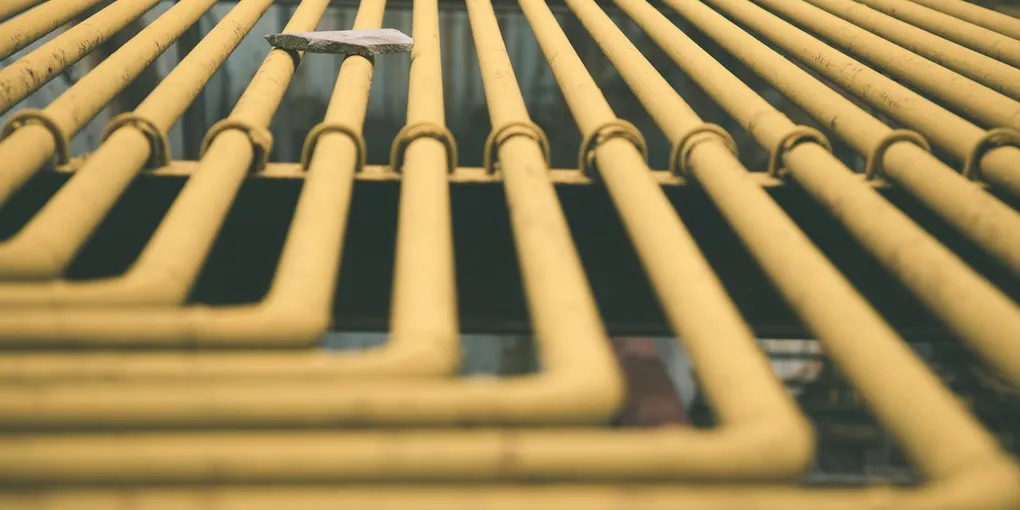
Noisy pipes are one of those home annoyances that start as a minor irritation and can quietly escalate into a real plumbing problem.
Noisy pipes are one of those home annoyances that start as a minor irritation and can quietly escalate into a real plumbing problem. A sudden bang when the washing machine finishes filling, a high-pitched whistle every time someone turns on the bathroom sink, or a low hum that vibrates through the walls at night — each sound has a specific cause, and most of them are completely fixable without calling a plumber.
This guide walks through every common pipe noise, what’s causing it, and the step-by-step repair that will silence it for good.
What You Need
Before you start hunting for the source of the sound, gather the supplies most likely to be useful. Having everything on hand means you won’t have to make multiple trips once the water is shut off.
- Water Hammer Arrestor — The most direct solution for banging pipes. Choose a model sized for 1/2-inch supply lines unless your home has 3/4-inch mains.
- Water Pressure Test Gauge — Screws onto any hose bib in seconds and tells you exactly what pressure your system is running at.
- Pressure Reducing Valve (PRV) — If your pressure tests above 80 PSI, a PRV at the main line solves hammer, whistling, and appliance wear all at once.
- Plastic Pipe Clamps / Cushioned Hangers — Secure loose pipes to framing with these; the foam lining absorbs vibration so metal-on-wood contact noise stops.
- Pipe Insulation Foam Tubes — Wraps around pipes where they contact joists or pass through holes, eliminating expansion creaks on hot water lines.
- Faucet Repair Kit (Washers and O-Rings) — Worn washers inside older faucets are a leading cause of whistling; a universal kit covers most brands.
Understanding the Four Main Types of Pipe Noise
1. Banging (Water Hammer)
Water hammer is the most dramatic pipe noise and the one most likely to cause long-term damage. It happens when a valve closes quickly — the dishwasher fill solenoid, a washing machine valve, or even a fast-closing ball valve — and the column of moving water has nowhere to go. The pressure wave bounces off the closed valve and slams into the pipe walls.
How to confirm it: The bang occurs immediately after an appliance stops filling or after you close a tap quickly. The location is usually traceable to the nearest wall or cabinet where the supply line runs.
Fix 1 — Install a water hammer arrestor. Arrestors are small devices with a piston inside a pressurized chamber. When the water column hits the arrestor, the piston compresses and absorbs the shock wave instead of letting it slam into the pipe. Most models thread onto a standard 1/2-inch female NPT fitting.
For a washing machine, unscrew the supply hose from the wall valve, thread the arrestor onto the valve, then reconnect the hose to the arrestor’s outlet. For an in-wall line, install the arrestor at the closest accessible point — inside the vanity cabinet, under the kitchen sink, or at a valve tee.
Fix 2 — Drain the air chambers. Older homes used vertical pipe stubs (air chambers) instead of commercial arrestors. Over time, water fills the air pocket and the chamber loses its cushioning effect. To recharge it, shut off the main water supply, then open the highest and lowest faucets in the house to drain all the lines. Close the faucets, turn the water back on, and the chambers refill with air.
2. Whistling or Squealing
A high-pitched whistle is almost always a restriction problem — water is being forced through a narrow opening under pressure.
Common causes:
- A shutoff valve that is only partially open (even a quarter-turn can cause whistling)
- A worn rubber washer or O-ring inside a compression faucet
- A faulty fill valve in a toilet tank
- Water pressure above 80 PSI
Fix 1 — Check every shutoff valve. Walk to every angle stop under sinks, behind toilets, and at appliances. Turn each valve fully counterclockwise (open). A valve that was bumped half-closed during cleaning or a service call is often the entire source of a house-wide whistle.
Fix 2 — Replace faucet washers. Turn off the supply to the affected faucet, remove the handle and packing nut, and pull the stem. The rubber washer at the bottom is held by a brass screw. If it’s cracked, deformed, or the wrong size, replace it with an exact match from your faucet repair kit. Reassemble and test.
Fix 3 — Test and adjust water pressure. Screw the pressure gauge onto an outdoor hose bib and read the static pressure with all fixtures off. If it reads above 80 PSI, the PRV on your main line (usually near the meter) needs adjustment or replacement. A PRV has an adjustment screw under a lock nut — turning it clockwise raises pressure, counterclockwise lowers it. Set it to 60–65 PSI for a comfortable margin.
3. Humming or Vibrating
A steady hum that follows the flow of water — louder when a faucet is fully open, quieter when throttled — is usually a resonance issue. The pipe is vibrating at a frequency that transfers into the surrounding structure.
Common causes:
- High water pressure causing turbulence inside pipes
- Loose pipe straps allowing the pipe to move freely
- A pipe contacting a joist, subfloor, or drilled hole edge
Fix 1 — Secure loose pipes. In the basement, crawl space, or wherever pipes are visible, check the interval between pipe clamps. Supply lines should be supported every 4–6 feet for copper and every 3 feet for CPVC. Add cushioned plastic hangers wherever a pipe is unsupported or where the existing metal strap is pressing hard against the pipe without any padding.
Fix 2 — Isolate contact points. Where a pipe passes through a joist, floor plate, or framing hole, slide a split foam insulation tube over the pipe before it enters the hole, or stuff the gap around it with foam backer rod. The goal is zero hard contact between metal pipe and wood framing.
Fix 3 — Reduce pressure. If humming persists after securing pipes, retest pressure. Even within the acceptable range, dropping from 75 to 60 PSI often eliminates turbulence-driven resonance.
4. Ticking, Creaking, or Clicking (Thermal Expansion)
Hot water pipes expand when hot water runs through them and contract when it stops. If a copper pipe is snugly held by a metal strap or passes through a tight hole, that movement creates ticking or creaking sounds. These noises typically happen at the start or end of a hot water draw and stop on their own.
Fix — Add expansion room. Replace any rigid metal pipe clamps on hot water lines with cushioned plastic hangers that allow slight movement. For pipes through tight holes in framing, use a hole saw or chisel to give a half-inch of clearance all around, then fill the gap with foam insulation. The pipe can now expand and contract without rubbing against anything.
How to Locate the Noise Source
Diagnosing pipe noise is easier if you work systematically:
- Turn off all fixtures and appliances and wait for silence.
- Turn on fixtures one at a time — faucets, showers, appliances — and note which one triggers the noise.
- Walk the supply line from that fixture back toward the main shutoff, listening for where the sound is loudest.
- Open walls or access panels only as a last resort. In most cases, the noise source is accessible through a cabinet, basement ceiling, or crawl space without any drywall removal.
Water Pressure: The Root Cause Behind Many Pipe Noises
It’s worth spending a few minutes on pressure because it underlies so many pipe noise complaints. High pressure amplifies every other problem. A loose pipe strap that would be quiet at 55 PSI might buzz annoyingly at 85 PSI. A partially worn washer that would cause a minor drip at 50 PSI becomes a shrieker at 90 PSI.
Most city water systems deliver water at higher pressures than residential plumbing needs. Your PRV (also called a pressure regulator) is what steps it down to a safe range. These valves have a typical lifespan of 10–15 years. If yours is older, or if your pressure test comes back high, replacing the PRV is one of the highest-value plumbing investments you can make — it protects every supply line, fitting, and appliance in the house simultaneously.
Replacing a PRV is within DIY reach: shut off the main, cut out the old valve with a pipe cutter or reciprocating saw, solder or crimp in the new one (or use a push-to-connect fitting for a no-solder install), and set it to 60 PSI.
When to Call a Plumber
Most noisy pipe repairs are genuinely DIY-friendly. Call a plumber if:
- The banging is accompanied by visible pipe movement, joint leaks, or water stains indicating a fitting has already cracked.
- You cannot locate the noise source and suspect it is inside a wall with no access panel.
- Your water pressure is above 100 PSI and you are not comfortable replacing the PRV yourself — at that pressure, the main shutoff should be off whenever you open any fitting.
- The humming is isolated to the water meter area, which may indicate a meter issue that your utility company needs to address.
Preventing Future Pipe Noise
A few habits keep pipes quiet for years:
- Replace washing machine hoses every 5 years and always use burst-resistant braided hoses. The built-in shutoff solenoids are aggressive and hammer-prone; a quality arrestor at each machine connection is cheap insurance.
- Close ball valves slowly when possible, or install quarter-turn valves with slow-close handles on high-flow lines.
- Check pressure annually with your gauge — it takes two minutes and can catch a failing PRV before it causes damage.
- Insulate hot water pipes not just for energy savings but to reduce expansion cycling, which means less thermal ticking over time.
Related Reading
- Understanding the Four Main Types of Pipe Noise
A shutoff valve that is only partially open (even a quarter-turn can cause whistling) A worn rubber washer or O-ring inside a compression faucet
- How to Locate the Noise Source
Diagnosing pipe noise is easier if you work systematically:
- Water Pressure: The Root Cause Behind Many Pipe Noises
It's worth spending a few minutes on pressure because it underlies so many pipe noise complaints. High pressure amplifies every other problem. A loose pipe strap that would be quiet at 55 PSI might buzz annoyingly at 85 PSI.
- Preventing Future Pipe Noise
A few habits keep pipes quiet for years:
Free: 10-Point Home Maintenance Checklist
Prevent costly repairs with this seasonal checklist. Save hundreds every year by catching problems early.
Your checklist is ready!
Open Checklist →Something went wrong. View the checklist here.