How to Fix a Loose Toilet Seat
Learn how to tighten or replace a loose toilet seat in under 10 minutes using basic tools, and stop the annoying shifting and wobbling for good.
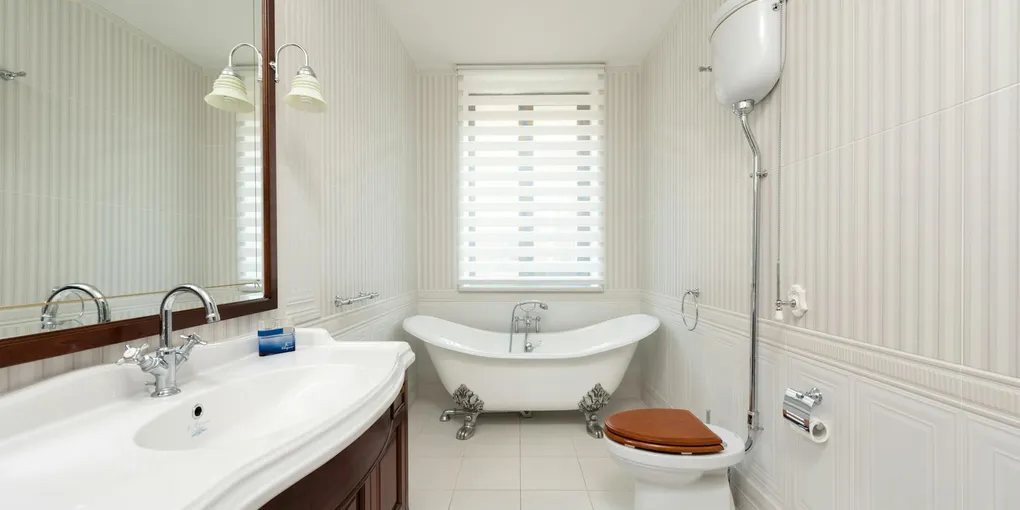
A toilet seat that shifts sideways every time you sit down is one of those small annoyances that feels bigger than it is. The fix is almost always a five-minute job requiring nothing more than a screwdriver.
A toilet seat that shifts sideways every time you sit down is one of those small annoyances that feels bigger than it is. The fix is almost always a five-minute job requiring nothing more than a screwdriver. Here is how to tighten a loose seat, what to do if the bolts are stripped, and how to replace the seat entirely when the hardware is beyond saving.
Why Toilet Seats Come Loose
Toilet seats are held to the bowl by two bolts that pass through the back of the seat and through holes in the porcelain rim. The bolts are secured underneath by nuts — usually plastic on budget seats, sometimes metal on better hardware. Over time, the repeated motion of sitting and standing works the nuts loose. Plastic nuts can also deform or strip, making them impossible to re-tighten.
Tools and Materials You Will Need
- Flathead screwdriver
- Phillips screwdriver
- Adjustable wrench or pliers
- Toilet seat bolt kit (if hardware is stripped)
- Replacement toilet seat (if the seat itself is damaged)
- Hacksaw or oscillating multi-tool (if bolts must be cut)
Step 1: Access the Bolt Caps
Look at the back of the seat, near the hinges. You will see either:
Flip-open plastic caps: Most modern toilet seats have decorative plastic caps that snap closed over the bolt heads. Use a flathead screwdriver to pop these caps open — they typically hinge open or lift off. This exposes the bolt head on top and gives you access to tighten directly.
No caps: Older seats may have exposed bolt heads without covers. In this case, the bolt head is already visible.
Step 2: Tighten the Bolts
With the bolt head exposed on top:
- Insert a Phillips screwdriver into the slot in the bolt head and hold it steady.
- Reach under the bowl rim and tighten the plastic nut by hand, turning clockwise. If you can reach it comfortably, hand-tight plus a firm quarter-turn is usually enough.
- For better torque, grip the nut with pliers while turning the bolt from above with the screwdriver.
- Tighten both bolts equally. Overtightening can crack the porcelain, so stop when the seat no longer rocks — do not crank hard.
- Snap the plastic caps closed.
- Sit on the seat and check for movement. If it still shifts, the nuts may be stripped.
Step 3: Replace Stripped or Broken Hardware
If the nuts spin freely without tightening (stripped threads) or the bolt spins in the hole without catching (worn plastic):
Option A: New bolt kit (keep the existing seat)
- If the old nuts can be unscrewed by hand with no resistance, pull the bolts out from above and set the old hardware aside.
- Thread the new stainless steel bolts through the hinge holes from the top, drop washers over the bolts underneath the bowl rim, and thread on the new nuts.
- Hold the bolt from above with a screwdriver while tightening the nut below with pliers.
- Test for movement.
Option B: Cut out stripped hardware
If the nut will not come off and the bolt spins freely:
- Use a hacksaw blade (working by hand) or an oscillating multi-tool with a metal blade to cut through the bolt shank just below the nut. A few strokes is usually enough.
- Pull the bolt up and out from above.
- Install the new bolt kit as described above.
Step 4: Replace the Seat if It Is Damaged
If the seat itself is cracked, stained, or the hinge posts are broken, replace it completely. This is also a good opportunity to upgrade to a slow-close seat, which eliminates the lid slamming problem.
Measure your bowl first:
Measure from the center of the bolt holes to the front of the bowl. Round bowls measure about 16.5 inches; elongated bowls measure about 18.5 inches. Select a replacement labeled to match.
Remove the old seat:
- Open or remove the hinge bolt caps.
- Remove the bolts and lift the old seat off.
- Clean the toilet rim surface around the hinge area.
Install the new seat:
- Set the new seat hinge assembly over the bolt holes.
- Drop the bolts through the hinge holes and through the mounting holes in the porcelain.
- From underneath, place the washers on the bolts and thread on the nuts.
- Hold the bolt with a screwdriver from above and tighten the nuts below.
- Check that the seat is centered on the bowl, then tighten firmly — snug but not overtorqued.
- Snap the hinge caps closed.
Choosing a Quality Replacement Seat
When buying a replacement, look for:
- Stainless steel bolt hardware — plastic hardware strips and corrodes faster
- Slow-close hinges — eliminates slamming and is a standard feature on mid-range and up seats
- Non-slot hinges (on better models) — hinges that open fully for easy cleaning around the base
- Correct shape (round or elongated) for your bowl
A quality toilet seat costs $25 to $60 and will last 5 to 10 years or more with proper hardware.
Related Reading
- How to Replace a Toilet Seat
- How to Fix a Wobbling Toilet Seat
- How to Fix a Toilet Seat Hinge
- How to Install a Toilet
- Access the Bolt Caps
Look at the back of the seat, near the hinges. You will see either:
- Tighten the Bolts
With the bolt head exposed on top:
- Replace Stripped or Broken Hardware
If the nuts spin freely without tightening (stripped threads) or the bolt spins in the hole without catching (worn plastic):
- Replace the Seat if It Is Damaged
If the seat itself is cracked, stained, or the hinge posts are broken, replace it completely. This is also a good opportunity to upgrade to a slow-close seat, which eliminates the lid slamming problem.
Free: 10-Point Home Maintenance Checklist
Prevent costly repairs with this seasonal checklist. Save hundreds every year by catching problems early.
Your checklist is ready!
Open Checklist →Something went wrong. View the checklist here.