How to Fix a Leaking Dishwasher: Door Gasket, Hose, and Pump Seal Repair
Diagnose and fix a dishwasher that leaks from the door, under the unit, or at the water connection — door gasket, door latch, float switch, and supply hose issues.
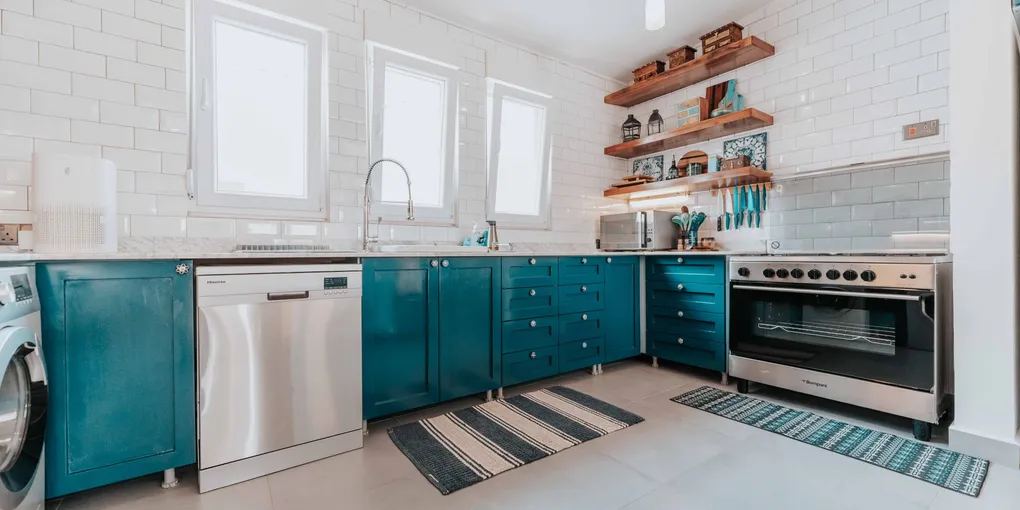
A leaking dishwasher needs a diagnosis before a fix, because the location of the leak tells you exactly what is wrong. Water at the front of the door is a gasket or latch problem.
A leaking dishwasher needs a diagnosis before a fix, because the location of the leak tells you exactly what is wrong. Water at the front of the door is a gasket or latch problem. Water under the unit is a hose or pump issue. Water at the side cabinet is a supply line problem. Water during the fill cycle that stops when the dishwasher runs is an overflow issue.
Here is how to find and fix each one.
Safety First
Before working on a dishwasher:
- Turn off the dishwasher and cancel any running cycle.
- Turn off the water supply valve under the sink before touching any hoses or supply connections.
- Turn off the breaker to the dishwasher if you will be pulling the unit out or accessing the pump area.
Leak Location 1: Door Leak (Front Bottom Edge)
The most common dishwasher leak comes from the door gasket — the rubber seal that runs around the perimeter of the door opening. When this gasket cracks, hardens with age, or pulls out of its retaining channel, water escapes every time you run a cycle.
How to inspect it:
Open the door fully and look at the rubber gasket along the bottom and sides of the door frame. A healthy gasket is soft and pliable. A failing gasket is hard, cracked, folded over, or visibly pulled away from the channel.
How to replace the door gasket:
- Open the door and pull the gasket out of its channel. On most dishwashers it presses into a groove and can be pulled out by hand. On some models it is held in by clips or runs under a retaining strip.
- Find the replacement part. Search your dishwasher model number (usually on a sticker inside the door frame) plus “door gasket” online, or bring the old gasket to an appliance parts store. A universal dishwasher door gasket seal works on many brands.
- Start at the top center and press the new gasket firmly into the channel, working toward each bottom corner last.
- Close the door. If it drags on the gasket or does not latch, the gasket may be slightly oversized — trim with scissors or check that it is seated fully in the channel.
- Run a short wash cycle and check for leaks.
Cost: $15-30 for the gasket. Repair time: 20-30 minutes.
Door Latch Problems
A door that does not close tightly will also leak, even with a perfect gasket. Check whether the door latch engages firmly when you close it. A worn or misaligned latch allows flex during the wash cycle, which breaks the gasket seal.
A dishwasher door latch kit costs $10-20 and replaces the latch and strike. You access the latch through the inner door panel — remove the screws around the door perimeter, separate the panels, and swap the latch assembly.
Leak Location 2: Under-Unit Puddle (Not at the Door)
If water appears under the dishwasher — visible when you pull off the kick plate at the bottom front — you have one of several potential sources.
Pull the kick plate first. It snaps off or is held by one or two screws. Get a flashlight and look inside the cavity while the dishwasher runs a short cycle.
Fill Hose and Hose Clamps
The fill hose connects the water inlet valve to the tub. A loose hose clamp or a cracked hose drips every time the dishwasher fills. Tighten any loose clamps with a screwdriver. Replace a cracked hose.
The drain hose runs from the pump to the sink drain or garbage disposal. Check the clamps at both ends. Tighten any that have backed off.
Pump Seal
The pump at the bottom of the dishwasher has a seal where the motor shaft enters. When this seal wears out, water leaks from the bottom of the pump during the wash cycle. Pump seal replacement requires partial disassembly of the dishwasher base and is a job for a technician unless you are comfortable with appliance repair.
Should you repair or replace? If the dishwasher is more than 8-10 years old and the pump seal is the problem, compare a repair estimate (often $150-250 for a technician) against the cost of a new unit.
Install a water leak alarm under the dishwasher after any repair to get early warning of future leaks. They cost $10-15 and sound an alarm when they detect moisture.
Leak Location 3: Supply Line Leak
The water supply hose connects the shutoff valve under the sink to the inlet valve on the dishwasher. This fitting can loosen over time or corrode at the connection points.
How to fix a supply line leak:
- Turn off the water supply valve under the sink.
- Place a towel under both connection points.
- Try tightening the fittings with pliers. If that stops the leak, you are done.
- If tightening does not help, disconnect the hose from both ends. Wrap the threaded fittings with two to three wraps of Teflon tape for plumbing connections and reinstall.
- If the hose is corroded, kinked, or cracked, replace it. A braided dishwasher supply hose costs $8-15 and lasts far longer than the original rubber hose that came with the unit.
- Turn the water back on and inspect every connection point before closing the cabinet.
Leak Location 4: Overflow Leak (Float Switch)
If the dishwasher overflows — filling with too much water until it spills out — the float switch is likely stuck. The float is a small plastic dome on the floor of the dishwasher tub, usually near the front. It rises with the water and signals the inlet valve to close when the tub is full.
How to check and fix it:
- Pull out the lower rack.
- Find the float dome — it looks like a small inverted cup on the tub floor.
- Lift it by hand. It should pop up freely and click back down. If it is stuck in the down position, the valve never closes.
- Clean any food debris or mineral buildup from underneath it. Lift and lower it several times to free it.
- If the float moves freely but the dishwasher still overfills, the float switch itself (the electrical switch underneath the tub) may need replacement. It costs $15-25 and involves removing the lower panel to access the switch wiring.
Related Guides
- How to Fix a Dishwasher Not Draining
- How to Fix a Dishwasher Not Starting
- How to Fix a Dishwasher Not Cleaning
Estimated Savings
| Repair | DIY Cost | Technician Cost |
|---|---|---|
| Door gasket replacement | $15-30 (30 min) | $120-200 |
| Supply hose replacement | $8-15 (20 min) | $100-150 |
| Float switch replacement | $15-25 (30 min) | $100-175 |
| Door latch kit | $10-20 (45 min) | $120-200 |
- Leak Location 1: Door Leak (Front Bottom Edge)
The most common dishwasher leak comes from the door gasket — the rubber seal that runs around the perimeter of the door opening.
- Leak Location 2: Under-Unit Puddle (Not at the Door)
If water appears under the dishwasher — visible when you pull off the kick plate at the bottom front — you have one of several potential sources.
- Leak Location 3: Supply Line Leak
The water supply hose connects the shutoff valve under the sink to the inlet valve on the dishwasher. This fitting can loosen over time or corrode at the connection points.
- Leak Location 4: Overflow Leak (Float Switch)
If the dishwasher overflows — filling with too much water until it spills out — the float switch is likely stuck. The float is a small plastic dome on the floor of the dishwasher tub, usually near the front.
- Estimated Savings
| Repair | DIY Cost | Technician Cost | |---|---|---| | Door gasket replacement | $15-30 (30 min) | $120-200 | | Supply hose replacement | $8-15 (20 min) | $100-150 | | Float switch replacement | $15-25 (30 min) | $100-175 | | Door latch kit | $10-20...
Free: 10-Point Home Maintenance Checklist
Prevent costly repairs with this seasonal checklist. Save hundreds every year by catching problems early.
Your checklist is ready!
Open Checklist →Something went wrong. View the checklist here.