How to Fix a Leaking AC Unit: Condensate Line, Drain Pan, and Refrigerant
Diagnose and fix a leaking AC unit — unclog the condensate drain line, replace a cracked drain pan, and identify when a refrigerant leak requires a technician.
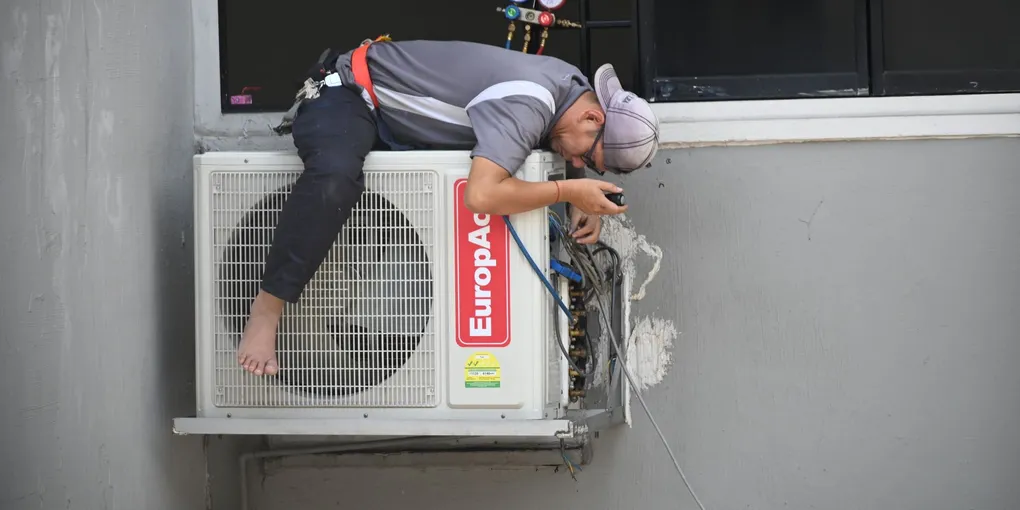
Water in the wrong place is one of the most common AC complaints. The good news is that most AC leaks are condensate drainage problems — a clogged line or a cracked pan — that you can diagnose and fix without calling a technician.
Water in the wrong place is one of the most common AC complaints. The good news is that most AC leaks are condensate drainage problems — a clogged line or a cracked pan — that you can diagnose and fix without calling a technician. A refrigerant-related leak is the exception and does require a pro.
This guide walks through each cause in order of likelihood, starting with the most common fix.
What You Need
- Condensate drain pan tablets — slow-dissolve tablets that prevent algae and mold in the drain line
- Wet-dry vacuum for condensate line — pulls clogs from the exterior drain opening
- Mini split condensate pump — actively removes condensate when gravity drainage is not possible
- AC coil cleaner spray — no-rinse formula for cleaning the evaporator coil
- HVAC secondary drain pan — replacement overflow pan for under the air handler
- Condensate drain pipe PVC fittings — for repairing or rerouting the drain line
Diagnose the Location First
Before grabbing a bucket, determine where the water is coming from. The location tells you the cause.
Water under the indoor air handler: The condensate drain pan is overflowing. This is almost always a clogged condensate drain line or a cracked pan.
Water dripping from supply vents or ceiling registers: The evaporator coil has frozen and is now thawing. This points to restricted airflow (a dirty filter) or low refrigerant.
Water on the floor near the air handler that appears when the AC is off: The secondary drain pan has been holding overflow and you only notice it when you look. Run the AC, watch where the dripping originates.
Water outside near the condenser: Normal in most cases. The condenser coil drips condensation. Puddles larger than a foot across during normal operation may indicate a dirty coil or blocked drain port.
Fix: Clogged Condensate Drain
This is the most common cause of AC water leaks. Algae, mold, and dust accumulate in the drain line over time and eventually block flow.
Bleach or vinegar flush:
- Locate the condensate drain access port — a capped white PVC T-fitting on the drain line near the air handler.
- Turn off the AC at the thermostat.
- Pour one cup of white vinegar or a 50/50 bleach-water mix into the port.
- Wait 30 minutes.
- Flush with a cup of plain water.
- Drop in one or two condensate drain pan tablets for ongoing prevention.
Wet-dry vacuum method (for full clogs):
- Go to the exterior drain line termination — typically a 3/4-inch PVC stub outside the foundation or through the soffit.
- Hold a wet-dry vacuum hose tightly against the opening or use a rubber adapter to seal the connection.
- Run the vacuum for 2 to 3 minutes. This pulls the clog out from the exterior end.
- Return inside and flush with vinegar as described above.
Fix: Cracked Drain Pan
A cracked secondary drain pan is easy to diagnose and replace.
- Shut off the AC.
- Vacuum out any standing water from the pan.
- Dry the pan with rags.
- Inspect with a flashlight for cracks, especially in the corners and at the drain opening.
- To confirm, pour a cup of water in the dry pan and watch for drips below.
If the secondary pan is cracked, measure its dimensions and order a replacement of the same size. The pan lifts out from under the air handler. Slide the replacement in and ensure the drain fitting lines up with the drain line opening.
For a cracked primary pan — inside the air handler directly under the coil — call an HVAC technician. Accessing that pan requires disassembling the air handler cabinet.
When It Is Refrigerant
A refrigerant-related leak follows a specific pattern:
- The AC runs constantly but the house does not cool adequately.
- You can see ice on the refrigerant lines, on the coil inside the air handler, or on the outdoor unit.
- When the ice melts — typically when the system is turned off or when the refrigerant is so low that the compressor cycles off — large amounts of water overflow the drain pan.
- There may be a hissing or gurgling sound near the indoor unit.
If you see ice on the system, shut the AC off immediately and let it thaw fully (this takes 2 to 24 hours depending on how much ice has built up). Do not restart the system until the ice is completely melted. Call an HVAC technician to check refrigerant levels and locate the leak. Adding refrigerant without fixing the leak is not a lasting repair.
Related Reading
- Diagnose the Location First
Before grabbing a bucket, determine where the water is coming from. The location tells you the cause.
- Fix: Clogged Condensate Drain
This is the most common cause of AC water leaks. Algae, mold, and dust accumulate in the drain line over time and eventually block flow.
- Fix: Cracked Drain Pan
A cracked secondary drain pan is easy to diagnose and replace.
- When It Is Refrigerant
A refrigerant-related leak follows a specific pattern:
Free: 10-Point Home Maintenance Checklist
Prevent costly repairs with this seasonal checklist. Save hundreds every year by catching problems early.
Your checklist is ready!
Open Checklist →Something went wrong. View the checklist here.