How to Fix a Kitchen Cabinet Soft-Close Hinge
Learn how to adjust, repair, or replace a soft-close cabinet hinge that is slamming, staying open, or failing to close all the way.
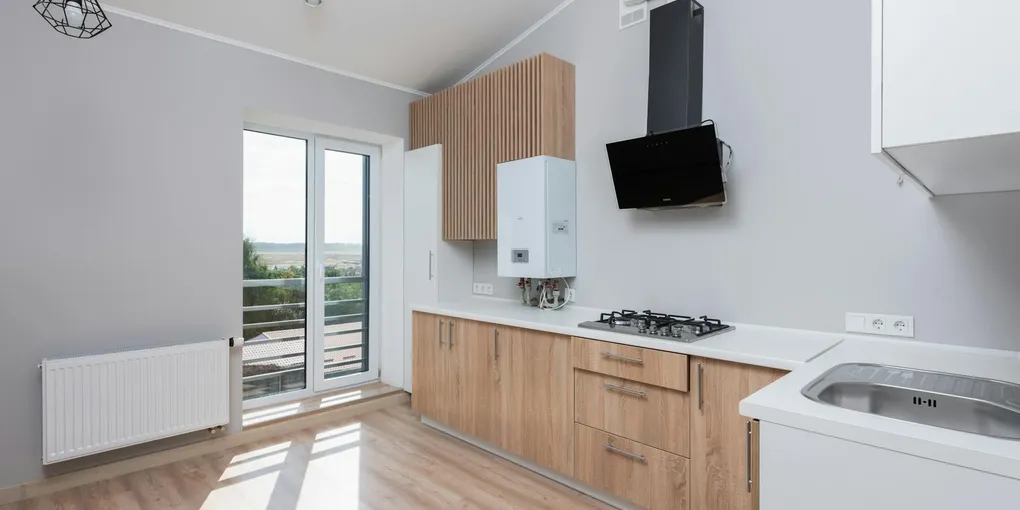
Soft-close cabinet hinges are one of the best upgrades in a modern kitchen — until they stop working. A hinge that lets the door slam, fails to close all the way, or holds the door at an odd angle is frustrating, but in most cases the fix takes only a few minutes and a screwdriver.
Soft-close cabinet hinges are one of the best upgrades in a modern kitchen — until they stop working. A hinge that lets the door slam, fails to close all the way, or holds the door at an odd angle is frustrating, but in most cases the fix takes only a few minutes and a screwdriver. This guide covers adjustment, repair, and full replacement of European-style soft-close hinges.
What You Will Need
- Phillips head screwdriver
- Flat head screwdriver
- Replacement soft-close hinge (if needed) — Blum CLIP top BLUMOTION Soft-Close Hinge on Amazon
- Soft-close adapter clip (optional alternative to full replacement) — Rok Hardware Soft Close Cabinet Hinge Adapter on Amazon
- Drill and 35mm Forstner bit (only needed if installing a new cup hole)
- Tape measure and pencil
- Level
Understanding How Soft-Close Hinges Work
European-style soft-close hinges consist of two parts: a cup pressed into a hole in the door and an arm that mounts to a plate on the cabinet face frame. Inside the arm is a small hydraulic or spring damper that slows the door during the last inch or two of closing, preventing the slam.
There are three adjustment points on most hinges:
- Depth adjustment: moves the door in or out (toward or away from the cabinet)
- Side adjustment: shifts the door left or right along the cabinet frame
- Height adjustment: raises or lowers the door (typically by loosening the mounting plate screws)
Step 1: Identify the Problem
Open the cabinet door fully and observe it closely as it closes.
- Slams shut: The soft-close damper is worn or the hinge is misaligned so the damper cannot engage.
- Stops before closing fully: The hinge is out of adjustment — depth or side alignment is off.
- Door sits crooked: Height or side adjustment needs correction.
- Door spring-loads open: The cup screw may be loose, or the hinge is damaged.
- Hinge is physically broken: The arm or cup is cracked — replacement is the only fix.
Step 2: Tighten Any Loose Screws
Before adjusting anything, check that all screws are snug. A loose cup screw inside the door is a common cause of soft-close failure because the hinge arm can no longer pivot cleanly.
- Open the door and inspect the hinge cup screws (the two screws visible inside the door on the cup).
- Tighten them firmly with a Phillips screwdriver. Do not overtighten — just snug.
- Inspect the mounting plate screws on the cabinet frame and tighten if loose.
Step 3: Adjust the Hinge Alignment
Most soft-close problems are caused by misalignment. The three screws are usually labeled or located as follows on a standard Blum or similar hinge:
Depth adjustment (closes/opens the gap between door and cabinet):
- Look for the screw at the rear of the hinge arm, closest to the cabinet frame.
- Turn clockwise to move the door closer to the cabinet frame; counterclockwise to pull it out.
Side adjustment (shifts the door left or right):
- Look for the screw in the middle of the hinge arm.
- Turning it moves the door across the face of the cabinet.
Height adjustment:
- Loosen the two mounting plate screws on the cabinet frame slightly.
- Slide the entire plate up or down to raise or lower the door, then retighten.
Make small quarter-turn adjustments, close the door to check, and repeat until the door closes flush with a smooth soft-close action.
Step 4: Fix a Hinge That Slams
If the door slams after adjustment, the damper inside the hinge arm is likely worn out. On some hinges, you can increase damping tension with a small screw or dial on the side of the arm — look for a slot or knob and turn it toward the higher-resistance setting.
If the hinge has no tension adjustment, or if adjusting it does not help, the damper is spent and you have two options:
Option A: Add a soft-close adapter clip If the existing hinge is otherwise sound, a soft-close adapter clip snaps directly onto the hinge arm and adds a new damper without requiring a hole. These cost just a few dollars each and install in seconds. Match the adapter to your hinge brand for best results.
Option B: Replace the entire hinge Full hinge replacement gives you a fresh damper and a hinge with full remaining lifespan. Proceed to Step 5 if you are replacing the hinge.
Step 5: Replace the Soft-Close Hinge
If the hinge arm is cracked, the cup is damaged, or the damper cannot be restored, replace the entire hinge.
- Open the door fully and remove the two cup screws inside the door. The cup pops out of its hole.
- Remove the two mounting plate screws on the cabinet frame.
- Note the old hinge specifications: cup diameter (usually 35mm), overlay type (full, half, or inset), and hinge-to-hinge spacing.
- Purchase a matching replacement hinge. Blum, Grass, Salice, and Richelieu all make high-quality options widely available online and at home improvement stores.
- Press the new cup into the existing hole in the door and tighten the cup screws.
- Snap or screw the arm onto the mounting plate on the cabinet frame.
- Use the three-axis adjustments in Step 3 to dial in perfect alignment.
Step 6: Test and Fine-Tune
Close the door slowly and watch the soft-close mechanism engage. The door should begin slowing approximately 2 inches before fully closed and land quietly against the frame. Open and close the door 10 to 15 times to ensure the mechanism is consistent.
Check the door gap on all sides. It should be even top-to-bottom and should match the gaps on neighboring cabinet doors. Make any final adjustments with the depth or side screws.
Tips for Keeping Soft-Close Hinges Working
- Avoid overloading cabinet doors. Heavy items hung on the inside of doors (such as large pot lids or full dish racks) stress hinges and wear dampers faster.
- Clean hinges periodically. Grease and dust buildup can slow the pivot action. Wipe hinges with a damp cloth and apply a tiny drop of machine oil to the pivot points once a year.
- Buy quality hinges. Blum CLIP top BLUMOTION hinges are the industry standard and last 20 years or more under normal use. Budget hinges may lose their soft-close function within a year or two.
With a screwdriver and ten minutes, most soft-close hinge problems are fully resolved — no cabinet repair experience required.
- Identify the Problem
Open the cabinet door fully and observe it closely as it closes.
- Tighten Any Loose Screws
Before adjusting anything, check that all screws are snug. A loose cup screw inside the door is a common cause of soft-close failure because the hinge arm can no longer pivot cleanly.
- Adjust the Hinge Alignment
Most soft-close problems are caused by misalignment. The three screws are usually labeled or located as follows on a standard Blum or similar hinge:
- Fix a Hinge That Slams
If the door slams after adjustment, the damper inside the hinge arm is likely worn out. On some hinges, you can increase damping tension with a small screw or dial on the side of the arm — look for a slot or knob and turn it toward the higher-resista...
- Replace the Soft-Close Hinge
If the hinge arm is cracked, the cup is damaged, or the damper cannot be restored, replace the entire hinge.
- Test and Fine-Tune
Close the door slowly and watch the soft-close mechanism engage. The door should begin slowing approximately 2 inches before fully closed and land quietly against the frame.
Free: 10-Point Home Maintenance Checklist
Prevent costly repairs with this seasonal checklist. Save hundreds every year by catching problems early.
Your checklist is ready!
Open Checklist →Something went wrong. View the checklist here.